

Smoked chicken wings combine two of the best qualities any wing can have: deep, smoky flavor and irresistibly crispy skin. Whether you’re placing chicken wings on a smoker for the first time or refining a technique you’ve used for years, this guide covers everything you need for perfect results.
Unlike traditional frying or baking, smoking infuses wings with a rich wood-fired taste that elevates them from ordinary appetizers to show-stopping centerpieces for game day, backyard gatherings, or family dinners. The challenge with smoked wings has always been achieving that perfect crispy exterior while maintaining juicy, tender meat.
This guide will teach you the proven two-stage method that solves this problem, ensuring your smoked wings rival the best fried versions while delivering unique smoky flavor you can’t get any other way. If you’re new to smoking, check out our comprehensive smoking guide for fundamental techniques.
Why Smoke Chicken Wings?
Smoking gives chicken wings a combination of flavor, texture control, and flexibility that is difficult to match with a single high-heat cooking method. The main advantages are easy to scan:
- Deeper smoke flavor. Low-and-slow cooking gives the meat time to absorb wood smoke, and the final profile changes with the wood you choose.
- More control over texture. Smoking builds flavor gently before a separate high-heat finish crisps the skin.
- Flexible seasoning and sauce options. Different woods, dry rubs, marinades, glazes, and finishing sauces create a wide range of wing styles.
- Room for large batches. A smoker can handle enough wings for game day, backyard gatherings, or family dinners without cooking each batch in oil.
- Forgiving dark meat. Wings tolerate small temperature variations better than lean chicken breast, which makes them easier to serve to a crowd.
Choose smoked wings when you want wood-fired flavor without giving up crisp skin. For another crowd-sized poultry cook, see our beer can chicken guide.
What Equipment Do You Need to Smoke Chicken Wings?
Successful wing smoking starts with having the right equipment. You don’t need expensive gear, but certain tools make the process significantly easier and more reliable. New to BBQ? Start with our BBQ basics guide to understand fundamental techniques.
Smoker Options
- Pellet Grills: Easiest for beginners with precise temp control and automated feeding. Check out our best portable pellet grills if you need something compact, or explore vertical pellet smokers for space-efficient options.
- Charcoal Smokers: Provide authentic smoke flavor and require more hands-on management. Traditional offset smokers deliver exceptional results for those who enjoy the craft.
- Electric Smokers: Consistent temp with minimal effort, ideal for apartment balconies.
- Gas Grills with Smoker Boxes: Budget-friendly option using equipment you may already own.
Using a Regular Gas or Charcoal Grill
No dedicated smoker? A gas or charcoal grill can still produce real smoke flavor when you arrange it for two-zone indirect cooking:
- Create two heat zones. Light the burners on only one side of a gas grill, or bank the charcoal on one side of a charcoal grill.
- Keep the wings over indirect heat. Arrange them on the unlit or cooler side so they absorb smoke without cooking directly over the flame or coals.
- Make a wood-chip packet. Wrap a handful of wood chips in foil and poke several holes in the top so smoke can escape.
- Place the packet over the heat. Set it directly above the lit burner or coals to generate smoke while the wings cook on the cooler side.
This setup gives you genuine smoke flavor with equipment you may already own.
Not sure which smoker style fits your needs? Our kamado vs pellet smoker comparison breaks down the key differences to help you decide.
- Reliable wireless meat thermometer — is non-negotiable for monitoring internal temp accurately. For quick spot-checks, keep an instant-read thermometer handy as well
- Long tongs — Use them to move wings safely without piercing the skin
- Chicken leg and wing rack — holds pieces upright for even smoke circulation on all sides
- Spice Guru grill seasoning — is a reliable off-the-shelf option for wing seasoning
- Traeger signature blend pellets — work well for pellet-smoked wings

How Do You Select and Prep Chicken Wings for Smoking?
Proper wing selection and preparation set the foundation for crispy, flavorful results. Start with fresh wings whenever possible, as they’ll have better texture than previously frozen options.
If using frozen wings, thaw them completely in the refrigerator for 24 hours before smoking — never smoke frozen wings as they’ll cook unevenly and pose food safety risks.
You can purchase whole wings or pre-separated drumettes and flats. Whole wings are often more economical, and separating them yourself is simple: just cut through the two joints with a sharp knife or kitchen shears. Many pitmasters discard the wing tips as they have little meat, though you can save them for making chicken stock.
The Critical Drying Step
The single most important preparation step is thoroughly drying your wings. Pat each wing dry with paper towels, pressing firmly to remove all surface moisture.
Moisture is the enemy of crispy skin — any water left on the surface will steam during cooking, resulting in rubbery, soggy skin. For even better results, place your dried, seasoned wings uncovered on a wire rack in the refrigerator for 12-72 hours.
This “dry brining” technique allows additional moisture to evaporate from the skin while the seasoning penetrates the meat. The longer drying time creates exceptionally crispy skin when smoked.
Why Does Chicken Skin Get Crispy on a Smoker?
Understanding why baking powder works transforms good wings into great ones. Baking powder (not baking soda — they’re different!) raises the skin’s pH levels, which breaks down proteins more efficiently during cooking. This protein breakdown allows the skin to brown more evenly and become crispier.
When you coat wings with baking powder and salt, you create a dry brine that draws moisture to the surface, which then evaporates. This double action — moisture removal plus pH modification — is why baking powder is a secret weapon for crispy wings.
Use about 1 tablespoon of baking powder per pound of wings, combined with 1 teaspoon of salt.
What Temperature Should You Smoke Chicken Wings At?
Temp management is where many beginners struggle with smoked wings. The problem is simple: traditional low smoking temperatures (225°F) that work beautifully for brisket or pork shoulder create rubbery chicken skin.
The solution is a two-stage cooking method that combines low-temp smoking for flavor with high-heat finishing for texture.
| Temperature | Cooking Time | Skin Texture | Best Use |
|---|---|---|---|
| 225°F | 1-1.5 hours | Rubbery (needs crisping) | Smoking stage only |
| 250°F | 1-1.25 hours | Slightly better but still soft | Smoking stage with faster cook |
| 275°F | 50-60 minutes | Improved but requires finishing | Smoking stage for time-saving |
| 375-425°F | 10-15 minutes | Crispy and golden | Crisping/finishing stage |
The two-stage method works like this: smoke wings at 225-250°F until they reach an internal temp of 155-160°F, absorbing maximum smoke flavor. Then increase heat to 375-425°F (or transfer to a hot oven) and cook until the skin crisps and internal temp reaches 165-175°F.
This approach delivers both the smoky flavor you want and the crispy texture you need.
Why Does Internal Temperature Matter More Than Time?
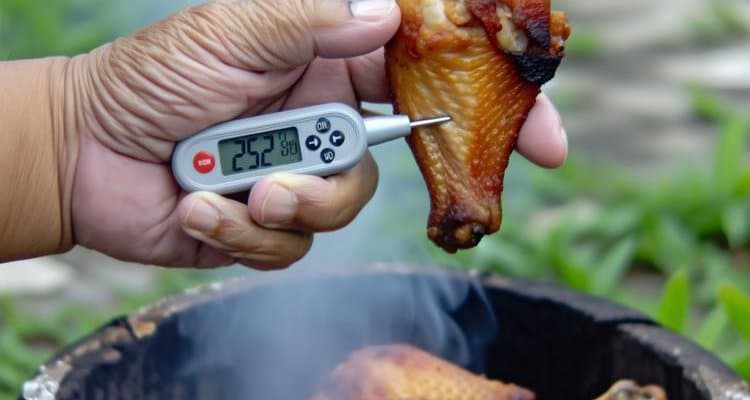
While 165°F is the USDA-recommended minimum safe temp for chicken, wings are actually better at 175°F. This higher temp isn’t just safe — it’s optimal for tenderness. Learning to judge doneness accurately is a skill that transfers across all proteins.
| Internal Temp | Safety | Texture | Reason |
|---|---|---|---|
| 165°F | Safe (USDA minimum) | Cooked but can be chewy | Kills harmful bacteria |
| 175°F | Safe | Fall-off-the-bone tender | Breaks down connective tissue and collagen |
Wings contain more connective tissue than other chicken parts. At 165°F, this tissue is cooked but still somewhat tough. At 175°F, the collagen breaks down into gelatin, creating that desirable tender texture where meat easily pulls away from the bone. The extra 10 degrees makes a dramatic difference in eating experience.
What Is the Best Wood for Smoking Chicken Wings?
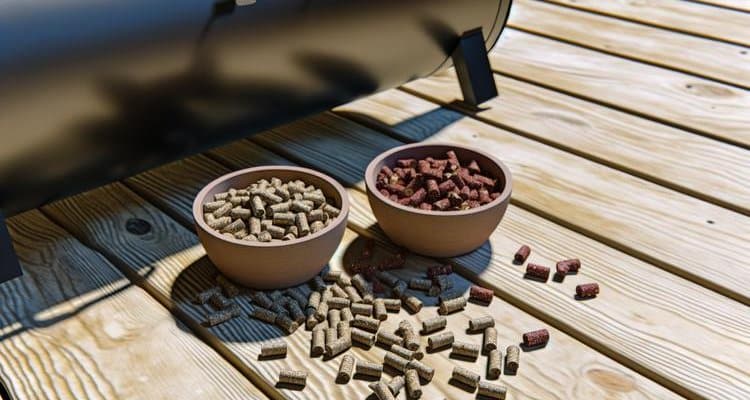
Wood selection dramatically impacts your final flavor profile. Chicken’s mild flavor can be easily overwhelmed by strong woods, so choosing the right variety is crucial. Learn more about wood pellet selection for different flavor profiles, or explore smoking wood variety packs to experiment with different combinations.
| Wood Type | Flavor Profile | Intensity | Recommendation |
|---|---|---|---|
| Apple | Light, fruity, slightly sweet | Mild | ⭐ Excellent — Top choice |
| Cherry | Mild, sweet, slightly tart | Mild | ⭐ Excellent — Top choice |
| Pecan | Rich, nutty, subtle | Medium-Mild | ✔ Good option |
| Hickory | Strong, bacon-like, bold | Strong | ⚠ Use sparingly — can overpower |
| Mesquite | Very strong, earthy, intense | Very Strong | ✗ Avoid — too bitter for wings |
Apple and cherry woods are the gold standard for chicken wings. Both provide enough smoke flavor to be noticeable without overwhelming the natural chicken taste. They also complement most seasonings and sauces beautifully.
Avoid mesquite entirely and use hickory sparingly. These strong woods are excellent for beef and pork, but their intense smoke can make wings taste bitter and over-smoked. If you do use hickory, blend it 50/50 with apple or cherry wood.
What Are the Best Seasoning and Flavoring Options for Smoked Wings?
Seasoning is where you personalize your wings. There are four main approaches, each with distinct advantages. You can combine methods — for example, dry rub for the smoking stage and glaze for the finishing stage. Before applying a dry rub, toss the patted-dry wings in a light coat of vegetable or olive oil first — it acts as a binder so the seasoning sticks evenly and it improves skin browning during the crisping stage. For pre-made options, check out our guide to the best BBQ rubs and seasoning sets from championship-proven brands, or try our smoked turkey rub recipe which works beautifully on wings too.
| Method | Timing | Benefits | Best For |
|---|---|---|---|
| Dry Rub | 30 min to overnight before smoking | Creates flavorful crust, enhances crisping | Those who prefer dry wings or want maximum crisp |
| Brine | 2-12 hours before smoking | Increases moisture retention, adds flavor throughout | Insurance against dryness with longer smoking |
| Marinade | 30 min to 24 hours before smoking | Deep flavor penetration, tenderizes meat | Bold flavors like teriyaki, BBQ, or spicy marinades |
| Glaze | Last 10-15 minutes of high-heat cooking | Adds sticky-sweet coating, caramelizes beautifully | Sweet or tangy sauces that benefit from caramelization |
Simple All-Purpose Dry Rub Recipe
Yield: Enough for 3 pounds of wings
- 1 tablespoon baking powder
- 1 tablespoon paprika
- 2 teaspoons garlic powder
- 2 teaspoons onion powder
- 1 teaspoon black pepper
- 1 teaspoon salt
- 1 teaspoon brown sugar
- 1/2 teaspoon cayenne pepper (optional, for heat)
Instructions: Mix all ingredients thoroughly. Pat wings completely dry, then toss in rub until evenly coated. Let rest 30 minutes at room temp before smoking, or refrigerate uncovered for up to 24 hours for maximum flavor.
Smoky BBQ Dry Rub Recipe
Yield: Enough for 3 pounds of wings
- 1 tablespoon baking powder
- 2 tablespoons brown sugar
- 1 tablespoon smoked paprika
- 1 tablespoon chili powder
- 2 teaspoons garlic powder
- 1 teaspoon cumin
- 1 teaspoon salt
- 1/2 teaspoon black pepper
Instructions: Combine all spices. Apply to dried wings and let rest as above. This rub creates a sweeter, smokier profile with deeper color.
How Do You Smoke Chicken Wings Step by Step?
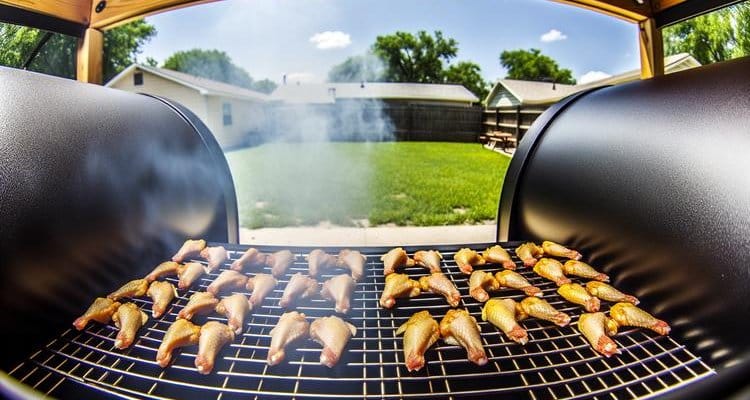
Follow this proven process for consistently excellent results when placing chicken wings on a smoker. The key is patience during the smoking stage and attentiveness during the crisping stage.
Step 1: Preparation (30 minutes before smoking)
- Remove wings from refrigerator and pat completely dry with paper towels
- If using baking powder, toss wings with 1 tablespoon baking powder and 1 teaspoon salt per pound
- Apply your chosen dry rub, coating evenly on all sides
- Let wings rest at room temp for 30 minutes while smoker preheats (this helps them cook more evenly)
Why this works: Bringing wings to room temp prevents a cold center when the outside reaches target temp. The 30-minute rest allows the dry rub to begin penetrating the meat while moisture continues evaporating from the surface.
Step 2: Setup Smoker (15 minutes)
- Preheat smoker to 225-250°F using your preferred method
- Add wood chunks or pellets (apple or cherry recommended)
- If using a water pan, fill it to help maintain humidity and stable temp
- Wait for clean, thin blue smoke — thick white smoke indicates incomplete combustion and tastes bitter
Why this works: Clean blue smoke means the wood is burning efficiently at the right temp, producing flavorful smoke compounds without harsh, acrid flavors. White smoke contains more creosote and will make wings taste sooty. If you’re using a Weber kettle, a Smokenator accessory can transform it into an effective smoker.
Step 3: Smoking Stage (1-1.5 hours)
- Arrange wings on smoker grates with space between each piece — don’t overcrowd
- Close lid and maintain 225-250°F temp
- Smoke without opening the lid for first 45 minutes (resist the urge to peek)
- After 45 minutes, check internal temp in the thickest part of several wings
- Continue smoking until wings reach 155-160°F internal temp
- Total time: typically 60-90 minutes depending on wing size and smoker temp
Why this works: The low temp allows maximum smoke absorption while gently rendering fat from under the skin. Spacing wings properly ensures even heat distribution and smoke circulation. Avoiding frequent lid opening maintains consistent temp — each peek can drop temp 25°F or more.
Step 4: Crisping Stage (10-15 minutes)
- When wings reach 155-160°F, remove them from smoker temporarily
- Increase smoker temp to 375-425°F (or preheat oven to 425°F)
- Once high heat is established, return wings to smoker (or transfer to oven on a wire rack)
- Cook 5-7 minutes, then flip wings
- Cook another 5-7 minutes until skin is crispy and golden brown
- Check internal temp — should reach 165-175°F
- Watch carefully to prevent burning; wing tips can char quickly
Why this works: High heat renders remaining fat from under the skin and evaporates any surface moisture, creating the Maillard reaction that browns and crisps the exterior. The flip ensures even crisping on both sides.
Step 5: Resting and Serving (5 minutes)
- Remove wings to a clean platter
- Let rest 5 minutes before saucing or serving
- If adding sauce, heat it first, then toss wings in warm sauce
- Serve immediately for maximum crispiness
Why this works: Resting allows juices to redistribute throughout the meat rather than running out when bitten. Heating sauce before tossing prevents cold sauce from softening the crispy skin you worked hard to achieve.
How Do You Get Crispy Skin on Smoked Wings?
Crispy skin is the holy grail of smoked wings, and it requires understanding what causes rubbery skin in the first place. Chicken skin is mostly fat and water. At low smoking temperatures (225-250°F), fat slowly renders but water doesn’t evaporate quickly enough, leaving skin soft and rubbery.
Critical Crisping Techniques
- Thorough Drying: Before any seasoning touches your wings, they must be bone-dry. Use paper towels to press firmly on all surfaces, absorbing every bit of moisture. Even small amounts of water will steam during cooking, preventing crisping.
- Baking Powder Application: Baking powder raises skin pH and draws moisture to the surface where it can evaporate. This is the single most effective technique for crispy wings without frying.
- Two-Stage Temp Method: This is non-negotiable. Low heat alone will never crisp chicken skin adequately. You must finish with high heat (375-425°F) to render the final bits of fat and drive off remaining moisture.
- High Heat Duration: Don’t rush the crisping stage, but don’t overcook either. You need 10-15 minutes total at high heat, flipping halfway through. Less time leaves skin soft; more time risks drying out the meat.
Alternative Crisping Methods
If your smoker can’t reach 400°F+, choose one of these finishing methods based on your batch size and the equipment available:
- Oven Finish: Transfer the smoked wings to a wire rack on a baking sheet. Place them in a 425°F oven for 10–12 minutes, flipping once, until the skin crisps.
- Air Fryer Finish: An air fryer toaster oven is excellent for smaller batches. Set it to 400°F and cook for 5–7 minutes, flipping once. Circulating hot air renders the remaining fat quickly and produces crisp skin.
- Deep Fry Finish: For maximum crispiness, heat peanut oil to 375°F and fry the smoked wings for 2–3 minutes. The short fry crisps the exterior while preserving the smoke flavor.
- Oven Broil Finish: Place the wings on a wire rack 4–5 inches from the heating element and broil for 3–4 minutes per side, watching closely to prevent burning. This is the simplest backup when the smoker cannot reach crisping temperature.
- Cornstarch Coating: Before smoking, dust the wings with cornstarch instead of or in addition to baking powder. The starch absorbs moisture and crisps when exposed to the final high heat.
Use the oven or broiler for a full tray, the air fryer for a smaller batch, or a short deep fry when maximum crunch matters most. Whichever method you choose, finish with high heat before adding sauce.
How Do You Sauce Smoked Chicken Wings?
Timing is everything with wing sauce. Apply sauce during the low-temp smoking phase and it will burn, discolor, and taste bitter. Apply cold sauce to hot wings and it will make crispy skin soggy. The solution: sauce after smoking, using heated sauce.
Proper Saucing Technique
- Heat your chosen sauce in a small saucepan until warm (not boiling)
- After wings complete the crisping stage and rest for 5 minutes, place them in a large bowl
- Pour warm sauce over wings and toss gently to coat evenly
- Serve immediately with extra sauce on the side for dipping. For an even better glaze, skip serving immediately and instead put the sauced wings back on the grill or under a broiler for 60-90 seconds — this “tacks up” the sauce into a sticky glaze instead of a wet coating, without softening the skin you worked to crisp
Classic Sauce Options
- Buffalo Sauce: Combine 1/2 cup Frank’s RedHot sauce, 1/4 cup melted butter, 1 tablespoon white vinegar, and 1/2 teaspoon garlic powder. Heat and toss.
- BBQ Glaze: Use your favorite BBQ sauce thinned slightly with apple juice for better coating. Add a splash of hot sauce for depth. Rufus Teague Honey Sweet BBQ Sauce caramelizes beautifully on wings. For a unique twist, try our Dr Pepper BBQ sauce for sweet-smoky complexity.
- Honey Sriracha: Mix 1/2 cup sriracha, 1/4 cup honey, 2 tablespoons melted butter, and 1 tablespoon lime juice. Balance sweet and heat to taste.
- Garlic Parmesan: Toss wings in melted butter mixed with minced garlic, then dust generously with grated Parmesan cheese and fresh parsley.
For more sauce inspiration, explore our collection of beer-infused BBQ sauces that pair exceptionally well with smoked poultry.
How Do You Fix Common Smoked Wings Problems?
Even experienced pitmasters encounter issues. Here are solutions to the most common smoked wing problems:
| Problem | Cause | Solution |
|---|---|---|
| Rubbery, soft skin | Only smoked at low temp, no crisping stage | Always finish with high heat (375-425°F) for 10-15 minutes |
| Dry, tough meat | Overcooked past 180°F or cooked too long | Use meat thermometer, remove at 175°F max; consider brining |
| Not enough smoke flavor | Smoking time too short or wrong wood | Smoke for full 60-90 minutes; use mild woods like apple/cherry |
| Too smoky or bitter taste | Strong wood (mesquite/hickory) or dirty smoke | Switch to apple or cherry wood; ensure thin blue smoke, not white |
| Uneven cooking | Overcrowding on grates or hot spots in smoker | Space wings properly; rotate wing positions halfway through |
| Wings sticking to grates | Grates not oiled or wings moved too soon | Oil grates before cooking; don’t flip until skin releases easily |
| Burned wing tips | Too much direct heat during crisping | Watch closely during high-heat stage; use indirect heat if possible |
How Do You Store and Reheat Smoked Wings?
Properly stored smoked wings stay delicious for days and reheat beautifully with the right technique.
Storage Guidelines
- Refrigerator: Let wings cool to room temp (within 2 hours of cooking for food safety). Store in an airtight container or wrapped tightly with plastic wrap for up to 3-4 days.
- Freezer: Freeze wings in a single layer on a baking sheet until solid, then transfer to freezer bags. This prevents them from sticking together. Properly frozen wings last 2-3 months. Thaw overnight in refrigerator before reheating.
Best Reheating Method
Never microwave wings — it makes skin soggy and rubbery. Instead, use the oven:
- Preheat oven to 350°F
- Arrange wings on a wire rack over a baking sheet (this allows air circulation)
- Heat for 5-6 minutes
- Flip wings and heat another 5-6 minutes
- For extra crispy skin, increase oven to 400°F for final 2-3 minutes
This method reheats wings evenly while re-crisping the skin, making them taste freshly cooked.
Related Smoking Projects to Try Next
Once you’ve mastered smoked wings, expand your smoking skills with these related projects:
- Smoked Turkey: Apply the same two-stage method to whole birds for holiday centerpieces.
- Pork Shoulder: Master the low-and-slow technique for pulled pork perfection.
- Memphis-Style Ribs: Learn dry-rub techniques that complement your wing seasoning skills.
- Cold Smoked Cheese: Use your smoker for a completely different application.
Frequently Asked Questions
What temperature should I smoke chicken wings at?
Smoke wings at 225-250°F for the initial smoking stage (60-90 minutes), then increase to 375-425°F for the crisping stage (10-15 minutes). The low temperature absorbs smoke flavor while the high temperature crisps the skin. This two-stage method is essential for both flavor and texture.
How long does it take to smoke chicken wings?
Total cooking time is 1.25 to 2 hours: 60-90 minutes at 225-250°F for smoking, plus 10-15 minutes at 375-425°F for crisping. Exact time depends on wing size, smoker temperature consistency, and how often you open the lid. Always use a meat thermometer rather than relying solely on time.
How do I get crispy skin on smoked chicken wings?
Four critical techniques ensure crispy skin: (1) Pat wings completely dry before seasoning, (2) Use 1 tablespoon baking powder per pound of wings, (3) Finish with high heat (375-425°F) for 10-15 minutes after smoking, and (4) Never sauce wings with cold sauce. The combination of moisture removal, pH modification, and high heat creates restaurant-quality crispy skin.
Can I smoke frozen chicken wings?
No, never smoke frozen wings. They must be completely thawed first. Frozen wings cook unevenly, with the outside overcooking before the inside reaches safe temperature. They also retain excess moisture that prevents crispy skin. Thaw wings in the refrigerator for 24 hours before smoking.
What wood is best for smoking chicken wings?
Apple and cherry woods are the best choices for chicken wings. Both provide mild, slightly sweet smoke that complements chicken without overwhelming it. Avoid mesquite (too strong and bitter) and use hickory sparingly (can overpower wings). Pecan is also a good option for a slightly nuttier flavor profile.
Do I need to brine chicken wings before smoking?
Brining is optional but helpful. Wings have enough fat to stay moist without brining, but a simple salt-water brine (1/4 cup salt per quart of water, 2-4 hours) adds insurance against dryness and enhances flavor. Brining is most beneficial if you’re smoking for extended periods or your smoker runs hot.
Should I sauce wings before or after smoking?
Always sauce after smoking, never before. Sauce applied during the low-temperature smoking stage will burn, discolor, and develop bitter flavors. Instead, heat your sauce separately and toss wings in warm sauce immediately after they finish the high-heat crisping stage.
Do I need to flip wings when smoking?
Flipping is not necessary during the low-temperature smoking stage if heat is indirect and consistent. However, you should flip wings once during the high-heat crisping stage (at the 5-7 minute mark) to ensure both sides crisp evenly. Flipping too often during smoking causes heat loss and extends cooking time.
What internal temperature should smoked wings reach?
The USDA minimum safe temperature is 165°F, but wings are better at 175°F. The higher temperature breaks down connective tissue and collagen in wings, creating fall-off-the-bone tenderness. Check temperature in the thickest part of the meat, avoiding bone contact for accurate readings.
Can I smoke wings on a pellet grill?
Yes, pellet grills are excellent for smoking wings. They maintain consistent temperatures easily and most models can reach the 400°F+ needed for crisping. Use apple or cherry pellets for best flavor. Set your pellet grill to 225-250°F for smoking, then increase to 400-450°F for the crisping stage. Check out our reviews of the best Pit Boss pellet grills or explore electric smoker options for easy temperature control.
How do I prevent wings from sticking to the grill grates?
Two methods prevent sticking: (1) Oil your grill grates before cooking using a paper towel soaked in high-temperature oil, or (2) Lightly coat wings with oil before seasoning. Also, don’t try to flip or move wings too early — they’ll release naturally from the grates once a crust forms (usually after 30-40 minutes).
Can I make smoked wings ahead of time?
Yes, smoked wings are excellent make-ahead food. Smoke wings completely, let cool, and refrigerate for up to 3 days. When ready to serve, reheat in a 350°F oven on a wire rack for 10-12 minutes, then increase heat to 400°F for final 2-3 minutes to re-crisp the skin. They’ll taste freshly made.
Can I finish smoked chicken wings in an air fryer?
Yes, an air fryer is one of the best methods for finishing smoked wings. After smoking to 155-160°F internal temperature, transfer wings to the air fryer basket in a single layer. Cook at 400°F for 5-7 minutes, flipping once at the halfway mark. The circulating hot air renders fat and crisps the skin quickly and evenly — often better results than the oven for smaller batches. The smoked flavor stays fully intact since the air fryer is only finishing, not re-cooking.
Can you overcook wings on a smoker?
Yes. Past around 185°F internal, the meat starts drying out even though wings are small and forgiving compared to bigger cuts. The bigger risk with wings is usually the crisping stage, not the smoke stage — leaving them over direct heat too long at the end dries the exterior fast. Pull at 175-180°F and finish with a short high-heat crisp rather than pushing internal temp higher.
Conclusion
Mastering smoked chicken wings requires understanding the science behind crispy skin and implementing the two-stage cooking method. By smoking at low temperatures (225-250°F) for maximum flavor absorption, then finishing with high heat (375-425°F) for crispy texture, you achieve results that rival the best fried wings while adding unique smoky depth.
The key takeaways are simple: dry your wings thoroughly, use baking powder for pH modification, choose mild woods like apple or cherry, monitor temp with a reliable thermometer, and never skip the high-heat crisping stage. These techniques transform ordinary wings into extraordinary centerpieces for any gathering.
Remember that food safety requires a minimum internal temp of 165°F, but 175°F produces superior tenderness by breaking down connective tissue. Experiment with different rubs, woods, and sauces to discover your signature style, but always maintain the fundamental two-stage process for consistently excellent results.
Now it’s time to fire up your smoker and put these techniques into practice. Your next game day, backyard party, or family dinner deserves wings that deliver both authentic smoke flavor and irresistible crispy skin. Happy smoking!
Related BBQ Guides
The Ultimate Smoked Deviled Eggs for Your Next Cookout
Master smoked deviled eggs with our tested recipe. Learn the 3-3-3 rule for perfect easy-peel eggs and get that deep, savory wood-fired flavor.
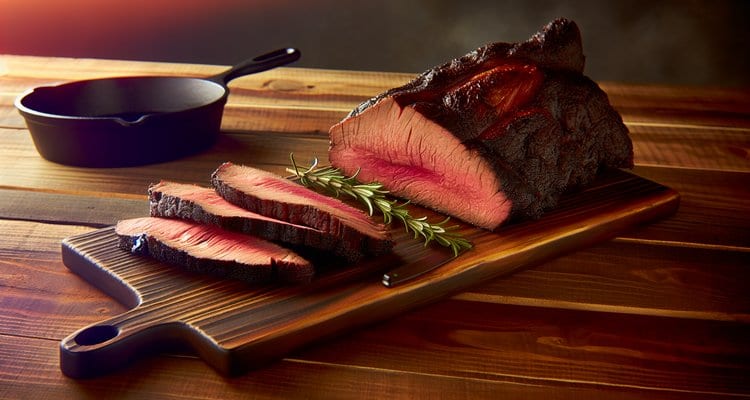
Perfect Smoked Tri Tip: Reverse Sear Recipe for BBQ Mastery
Master smoked tri tip with our reverse sear method at 225°F. Perfect bark, pink smoke ring & juicy results every time. Expert tested guide.
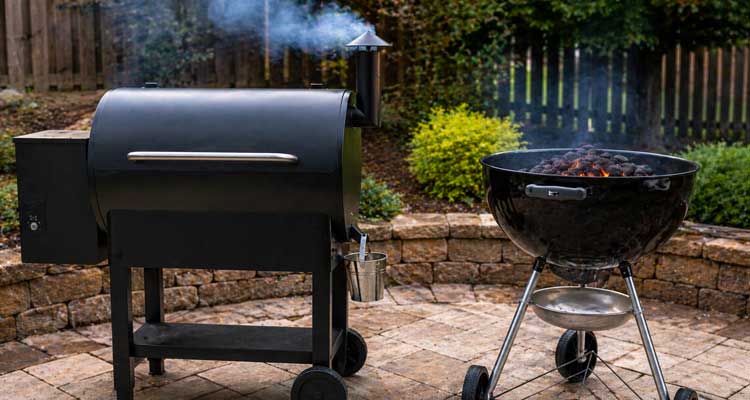
Pellet vs. Charcoal Grills: The Definitive Comparison
Compare pellet and charcoal grills on flavor, convenience, searing power, and cost. Our side-by-side analysis helps you choose the right cooker for your