
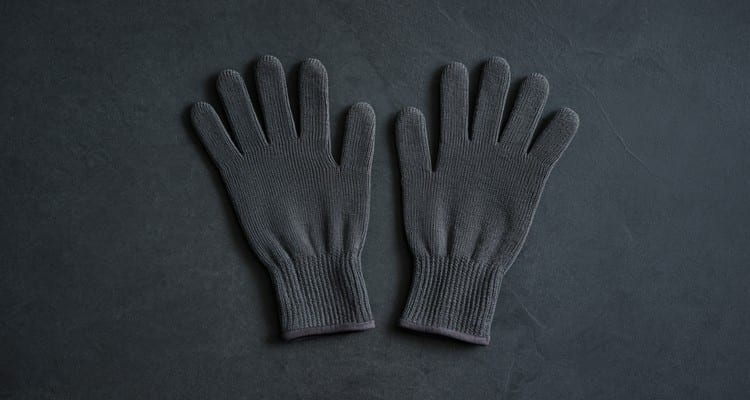
Protecting your hands is critical when managing the high temperatures of a quality BBQ smoker or searing over a hot grill. Standard oven mitts don't offer the dexterity or heat resistance needed for serious BBQ work. The unique demands of outdoor cooking, from the sustained heat of a long smoking session to the intense blast of a perfect sear, require specialized gear. Quality heat resistant grill gloves provide superior protection for both long smoking sessions and quick, high-heat searing. They let you handle hot grates, charcoal chimneys, and large cuts of meat with confidence. Choosing the right pair means matching the material and design to your specific style of BBQ.
Quick Comparison
| Glove | Material | Max Temp | Cuff Length | Best For | Where to Buy |
|---|---|---|---|---|---|
 RAPICCA 932°F Heat Resistant BBQ Gloves RAPICCA 932°F Heat Resistant BBQ Gloves
|
Neoprene Rubber | 932°F | 14 inches | Handling greasy meat, deep frying | See at Amazon |
 KITCHEN PERFECTION Silicone Smoker Oven Gloves KITCHEN PERFECTION Silicone Smoker Oven Gloves
|
Silicone & Cotton | 500°F | 11 inches | General grilling, waterproof grip | See at Amazon |
 DKHDBD 1472°F Heat Resistant Aramid Gloves DKHDBD 1472°F Heat Resistant Aramid Gloves
|
Aramid Fiber & Silicone | 1472°F | 13.8 inches | High-heat tasks, dexterity, dry items | See at Amazon |
RAPICCA 932°F Heat Resistant BBQ Gloves
Waterproof and oil-resistant neoprene coating is easy to clean.
Why You Need Specialized Grill Gloves
Specialized grill gloves offer far greater heat protection, dexterity, and durability than kitchen oven mitts. They are designed for direct contact with hot grill grates and smokers, often featuring waterproof materials and longer cuffs to protect your forearms from intense heat and steam. This makes them an essential tool for any serious BBQ enthusiast.
Grill Gloves vs. Oven Mitts: Key Differences
Standard oven mitts are typically rated for 400-500°F and use a clumsy, one-size-fits-all design that limits your ability to grip tools. Quality heat resistant grill gloves exceed 900°F in heat resistance and use a five-finger design that lets you pick up tongs, reposition grates, or handle meat directly. Material selection makes the biggest difference. Grill gloves use neoprene, aramid fiber, or food-grade silicone — all of which resist grease, water, and staining in ways that standard fabric mitts cannot match at the grill. An oven mitt can become dangerously ineffective if it gets wet or greasy, while a proper BBQ glove is built for those exact conditions.

How We Tested These Grill Gloves
Our evaluation process was designed to replicate real-world BBQ scenarios, focusing on performance where it matters most. We tested each pair of heat resistant grill gloves on maximum heat resistance, dexterity for handling tools, grip on wet and greasy surfaces, overall comfort and fit, cuff length for forearm protection, and ease of cleaning after a messy cook. For heat resistance, we tested heat tolerance by handling a fully lit charcoal chimney starter for several seconds, moving hot cast iron pans, and adjusting the grates on a preheated smoker.
This helped us distinguish between gloves suited for brief contact versus those designed for prolonged exposure to heat. To assess dexterity and grip, we performed common BBQ tasks like using tongs to flip chicken wings, wrapping a pork butt in butcher paper, and adjusting smoker vents. Grip was tested by handling a rack of ribs coated in a sticky BBQ sauce to see how well each glove maintained control. For comfort and cleaning, we wore the gloves during a multi-hour smoking session to evaluate long-term comfort and breathability.
After cooking, we cleaned each pair according to manufacturer instructions, noting how easily they shed grease and sauce.
Product Reviews
RAPICCA 932°F Heat Resistant BBQ Gloves
- Waterproof and oil-resistant neoprene coating is easy to clean.
- Excellent for handling wet or greasy meat directly.
- Long 14-inch cuffs protect forearms from heat and splatters.
- Textured palm provides a secure grip on slippery items.
- Insulated liner adds comfort during use.
The RAPICCA BBQ Gloves are crafted from food-grade neoprene rubber, making them completely waterproof and resistant to oil and grease. This design is ideal for pitmasters who need to handle juicy briskets, pulled pork, or deep-fried turkey without getting burned or messy. They are the ultimate tool for hands-on smoking tasks. The long 14-inch cuffs provide excellent protection for your forearms when reaching deep into a smoker or grill.
An insulated, double-layer cotton liner adds comfort during extended cook sessions where your hands stay near the heat source, preventing fatigue and sweat buildup.
See at AmazonKITCHEN PERFECTION Silicone Smoker Oven Gloves
- Waterproof silicone exterior is easy to rinse clean.
- Soft cotton inner liner enhances comfort and reduces sweating.
- Flexible design provides good dexterity for a silicone glove.
- Non-slip grip works well for handling tools and cookware.
- Suitable for a wide range of indoor and outdoor cooking tasks.
The KITCHEN PERFECTION gloves offer a compelling blend of heat protection, comfort, and dexterity. Rated for temperatures up to 500°F, their waterproof silicone exterior is easy to rinse clean, making them ideal for handling messy BBQ. Inside, a soft cotton liner provides comfort and helps reduce sweating, a common issue with non-lined silicone gloves. The liner is securely attached, so it won't pull out when you remove your hands.
Despite their heavy-duty protection, the design remains flexible, allowing for good dexterity when handling tools and cookware. A non-slip grip adds to their safety and utility. Reviewers confirm they fit a wide range of hand sizes, from small to very large, without feeling cumbersome, making them a versatile choice for both indoor and outdoor cooking tasks where serious heat protection is required.
See at AmazonDKHDBD 1472°F Heat Resistant Aramid Gloves
- Extremely high heat resistance for searing and managing live fires.
- Three-layer design with aramid fiber for heat protection and a comfortable inner liner.
- Excellent dexterity and flexibility for handling tools.
- Silicone pattern on the exterior provides a non-slip grip.
- Long 13.8-inch cuff protects the wrist and forearm.
For tasks requiring extreme heat protection and maximum dexterity, the DKHDBD Aramid Gloves are a top contender. Made with the same material found in firefighter gear, these gloves withstand brief contact with temperatures up to 1472°F. This makes them perfect for searing steaks over a roaring fire. The flexible, fabric-like construction and silicone grip pattern make them ideal for handling hot grill tools, adjusting vents on a smoker, or repositioning charcoal baskets.
The 13.8-inch cuff protects the wrist and lower forearm during high-heat moments at the grill, offering peace of mind when working with live fire.
See at AmazonHow to Choose Heat Resistant Grill Gloves
To choose the right grill gloves, consider the primary material based on your cooking style — neoprene for wet foods, aramid for high heat and dexterity, or silicone for all-purpose use. Check the temperature rating, ensure the cuff length covers your forearms, and prioritize a five-finger design for grip and control.
Key Materials: Silicone vs. Aramid vs. Neoprene vs. Leather
The material of your heat resistant grill gloves dictates their performance. Each type has distinct advantages and disadvantages for different BBQ tasks, especially when comparing the needs of smoking versus searing.
Silicone gloves are waterproof, flexible, and easy to rinse off. They handle sauces and chicken marinades well but typically max out around 500°F, making them suitable for general grilling rather than direct flame or high-heat searing. Their insulated liners provide comfort for moderate-length cooks.
Aramid fiber gloves offer the highest heat resistance and excellent dexterity. They are breathable but not waterproof, so they work best for managing hot, dry items like grates, tools, and charcoal. They are the go-to choice when you need finger-level control for searing or managing a live fire.
Neoprene is a synthetic rubber that is fully waterproof, oil-resistant, and heat-resistant above 900°F. It is the clear choice for handling greasy meats like brisket or pulled pork directly from the smoker. It can feel slightly less dexterous than aramid but excels during wet cooking tasks and long smoking sessions.
Leather gloves offer good heat resistance and excellent durability against punctures and abrasions. While great for managing fire and handling rough materials like wood splits or charcoal, they are not waterproof and can become stiff and difficult to clean if they absorb grease or water.
Understanding Heat Resistance Ratings
Temperature ratings like 932°F or 1472°F refer to the maximum temperature the material can withstand for very short contact — typically just a few seconds. These ratings don't mean you can hold a red-hot coal indefinitely. It's a measure of how long it takes for the heat to transfer through the glove to your hand. For smoking, which involves prolonged exposure to lower ambient heat (225-275°F), an insulated design and overall comfort matter as much as the peak temperature rating. For searing, where you might briefly touch a 600°F grate, a high peak rating is more critical. Always match the glove's rating to your primary cooking style.
Dexterity, Grip, and Cuff Length
A five-finger design is critical for gripping tongs, adjusting smoker vents, or wrapping a brisket in butcher paper. Mitt-style gloves lack the necessary control for most BBQ tasks and should be avoided if you do any hands-on meat handling. Dexterity allows for precise movements, which is crucial when working around a hot fire. Look for textured palms or silicone patterns that provide a secure grip on both tools and food, especially when dealing with greasy surfaces. Longer cuffs — 13 inches or more — are essential for protecting your wrists and forearms from the radiant heat of a large smoker or deep grill. This is especially important when reaching into a barrel smoker or managing an offset firebox.
Sizing and Fit
Most grill gloves come in a one-size-fits-most design that works well for average to large hands. If you have smaller hands, look for brands that offer S/M sizes or check customer reviews for feedback on fit. A glove that is too large reduces dexterity and can be a safety hazard if it slips off while you're gripping a hot item. To find your size, measure the circumference of your dominant hand around the knuckles. Compare this measurement to the manufacturer's sizing chart. A snug but not restrictive fit is ideal, allowing for easy movement without sacrificing control or causing hand fatigue during a long smoking session.
Safety Standards, Construction Details, and Other Uses
A closer look at what's behind the materials, plus a few extra considerations.
Aramid Fiber and Firefighter Gear
Aramid fiber - the material behind most high-heat grill gloves - is the same family of material used in firefighter turnout gear, which is why it holds up so well to extreme, sustained heat without melting or igniting the way synthetic fabrics can.
Food-Contact vs. Dry-Tool-Only Gloves
Waterproof materials like silicone and neoprene are food-safe for handling meat directly. Fabric or leather gloves, even heat-resistant ones, are generally meant for dry tool and grate handling rather than direct contact with raw or greasy food, since they can't be rinsed clean the same way.
EN 407 Safety Certification
If you want a more objective heat rating than a manufacturer's own marketing claim, look for gloves tested to the EN 407 standard for thermal risks, which independently rates resistance to contact heat, convective heat, and flame exposure rather than relying solely on a single stated maximum temperature.
Aluminum-Isolated Insulation
Some premium leather or suede gloves include a thin aluminum layer sewn into the lining, which reflects radiant heat and slows heat transfer more than fabric insulation alone - worth looking for if you're regularly working very close to open flame or hot coals.
Cotton Liners for Sweat and Comfort
An inner cotton liner in silicone or neoprene gloves helps absorb sweat, makes the gloves easier to put on and remove, and helps distribute heat more evenly rather than creating one hot spot against bare skin.
Beyond the Grill: Fire Pits and Wood Stoves
The same heat-resistant gloves used for grilling work well for handling firewood, loading a wood or pellet stove, or tending a fire pit - any task involving handling hot material or getting close to an open flame.
Watch for Dye Transfer on Cheaper Leather
Inexpensive leather gloves sometimes use dyes that can rub off onto light-colored surfaces or even food if your grip is damp. If this is a concern, look for reviews mentioning colorfastness, or stick with silicone or aramid gloves, which don't have this issue.
What is the difference between grill gloves and regular oven mitts?
Grill gloves are designed for higher temperatures and more demanding outdoor use. They feature a five-finger design for better dexterity and use materials like neoprene or aramid fibers that are often waterproof or flame-resistant. Longer cuffs protect forearms from the intense, widespread heat of a smoker fire or live grill. Oven mitts are typically made of cotton, have lower heat ratings, and lose effectiveness when wet.
How high of a temperature can heat resistant grill gloves withstand?
This depends entirely on the material. Silicone gloves are usually rated up to 500°F, while neoprene gloves can handle up to 932°F. High-performance aramid fiber gloves can withstand brief contact with temperatures as high as 1472°F. These are contact ratings for a few seconds, not for continuous holding.
What material is best for both smoking and searing?
Neoprene is an excellent all-around choice for both tasks. It offers high heat resistance suitable for searing, is waterproof for handling juicy meats during a long smoke, and cleans up easily. While aramid gloves have higher peak temperature ratings for searing, their lack of waterproofing makes them less versatile for smoking tasks where moisture is present.
Can you wash heat resistant grill gloves?
Yes, but the method depends on the material. Silicone and neoprene gloves can be washed with dish soap and water and then air-dried. Aramid fabric gloves can often be machine washed on a gentle cycle, but always check the manufacturer's instructions first. Ensure any fabric glove is completely dry before using it near heat again.
How do I choose the right size grill gloves for a good fit?
A proper fit is key for both safety and dexterity. Start by measuring the circumference of your hand around the knuckles, then compare it to the manufacturer's sizing chart. If you are between sizes, it's often better to size down for a snug fit to maximize control, unless you plan to wear a thin liner glove underneath.
How long do grill gloves last?
With proper care, a quality pair of grill gloves lasts one to three seasons of regular backyard use. Neoprene and silicone gloves are the most durable since they don't absorb grease or smoke residue. Aramid gloves may wear more quickly if used frequently for abrasive tasks like moving charcoal or scrubbing grates.
What is the EN 407 safety standard for grill gloves?
EN 407 is an independent testing standard for thermal risks that rates resistance to contact heat, convective heat, and flame exposure, giving a more objective measure than a manufacturer's own stated maximum temperature.
Can I use grill gloves to handle raw meat directly?
Waterproof materials like silicone and neoprene are food-safe for handling meat directly. Fabric or leather gloves, even heat-resistant ones, are generally meant for dry tool and grate handling rather than direct food contact, since they can't be rinsed clean the same way.
Final Verdict
For pitmasters who regularly handle wet or greasy meats, the RAPICCA 932°F BBQ Gloves are the top pick — their waterproof neoprene construction and 14-inch cuffs handle everything from pulled pork to deep-fried turkey. They are the workhorse for any serious smoking enthusiast. Those who need maximum dexterity for tool handling, vent adjustments, and direct contact with high-heat surfaces for searing should reach for the DKHDBD 1472°F Aramid Gloves. For a versatile all-purpose option that transitions well from the smoker to the kitchen, the KITCHEN PERFECTION Silicone Gloves offer waterproof grip and easy cleanup at a practical price.
Related BBQ Guides

Weber Grills Guide: Find Your Perfect Model for 2026
Find the best Weber grills for 2026, from budget Spirit models to flagship Summit. Expert-tested Genesis, Spirit, and Kettle picks with real performance ratings.

Budget Gas Grills: Top Performance Under $300 in 2026
Looking for an affordable gas grill? We tested top models from Char-Broil, Weber & more to find the best gas grills under $300 for your budget.

Resting Brisket Explained: How Long and Why It Matters
Learn how long to rest brisket to lock in moisture and maximize tenderness. Expert guidance on rest times, the hot-hold method, and the science behind it.