

Compound butter is softened butter mixed with herbs, spices, or aromatics, then chilled into a sliceable log. A single pat melts over a hot steak or chicken thigh in seconds, creating a glossy, restaurant-quality glaze without building a sauce from scratch. This guide covers the classic garlic herb recipe, flavor variations for every protein, and storage basics so you always have finishing butter ready.
- Versatile Flavor Enhancer – Compound butter transforms ordinary dishes into gourmet experiences by infusing softened butter with herbs, spices, or aromatics, creating a rich, complex flavor profile.
- Easy Preparation & Storage – Requiring minimal equipment and about 10 minutes of active prep, it can be shaped into a log and chilled for immediate use or frozen for up to 6 months, making it a convenient kitchen staple.
- Beyond Steak – While perfect for grilled meats, compound butter also elevates roasted vegetables, creates instant garlic bread, and forms quick pan sauces, offering endless culinary applications.
What Is Compound Butter?
Compound butter is regular unsalted butter that has been softened to room temperature, blended with flavor additions like minced garlic, fresh herbs, citrus zest, or spices, and then re-chilled into a firm log for slicing.
The Role of Fat in Flavor Delivery
Butterfat is an excellent carrier for fat-soluble flavors found in garlic, herbs, and spices. As the butter melts, it evenly coats the food, ensuring every bite is infused with the aromatic compounds. Chefs rely on compound butter for consistency and efficiency. It provides a complex, sauce-like finish in a single step, saving time during busy service without sacrificing flavor or presentation.
What Tools Do You Need for Compound Butter?
Making compound butter requires minimal equipment, most of which is already in your kitchen.
Mixing Bowl and Spatula
A small to medium-sized bowl is perfect for combining the ingredients. A flexible silicone spatula or a simple fork works well to thoroughly mix the herbs and spices into the softened butter.
Microplane or Garlic Press
While a knife works, a microplane or garlic press is ideal for processing garlic. It creates a fine paste that integrates seamlessly into the butter, preventing any harsh, raw garlic chunks.
Parchment Paper or Plastic Wrap
You’ll need parchment paper or plastic wrap to form the butter into a log. This material makes it easy to shape and roll the butter tightly for uniform chilling.
How to Make Garlic Herb Compound Butter
The classic garlic herb compound butter is a simple recipe that takes about 10 minutes of active prep time and around one hour to chill. The result is a perfect finish for grilled steak, chicken, or vegetables.
Required Ingredients
This recipe starts with 1/2 cup (1 stick) of room-temperature unsalted butter, 2-3 cloves of finely minced garlic, 2 tablespoons of chopped fresh parsley, 1 teaspoon of fresh thyme leaves, 1/2 teaspoon of sea salt, and 1/4 teaspoon of cracked black pepper.
Step 1: Soften the Butter
Softened butter is critical for a smooth, consistent mixture. Cold butter leaves clumps and uneven herb distribution. Let the stick sit at room temperature (68-72°F) for 30-60 minutes until it yields easily to a fork but is not melted or greasy.
Step 2: Combine Ingredients
In a small bowl, mix all ingredients thoroughly with a fork or spatula for 1-2 minutes until fully combined. Ensure the garlic and herbs are evenly distributed throughout the butter base.


Step 3: Shape and Chill the Butter
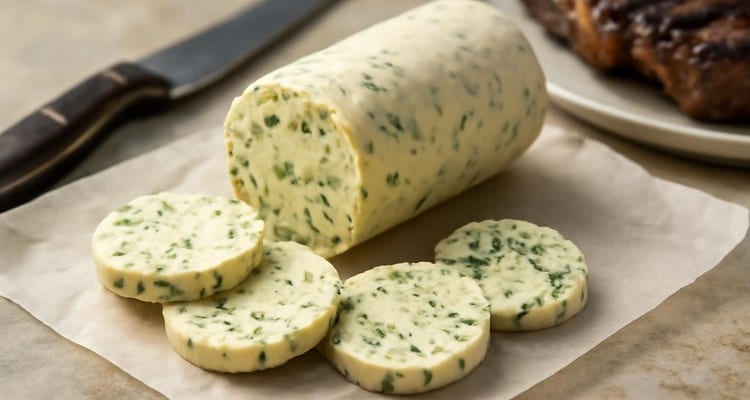
Turn the mixture onto a sheet of parchment paper and use the paper to help shape it into a tight log about 1.5 inches in diameter. Twist the ends closed like a candy wrapper. Refrigerate for at least 1-2 hours until firm enough to slice.
Tips for Perfect Compound Butter
Follow a few key techniques to ensure your compound butter has the ideal texture and flavor concentration every time.
Use High-Quality Butter
Start with a high-fat, European-style unsalted butter. The higher butterfat content provides a richer flavor and creamier texture that carries the herb and garlic notes more effectively than standard butter.
Ensure Herbs Are Dry
After washing fresh herbs, pat them completely dry before chopping. Excess water can prevent the butter from mixing evenly and can lead to a separated, greasy texture after chilling.
Chill Thoroughly Before Slicing
Allow the butter log to chill for at least one to two hours, or until completely firm. This ensures you can make clean, even slices that hold their shape when placed on hot food.
Common Mistakes to Avoid
Avoid these common pitfalls to ensure your compound butter has the perfect texture and flavor.
Using Melted Instead of Softened Butter
Using fully melted butter will result in a greasy, separated mixture once it’s chilled. The goal is softened, pliable butter that can hold an emulsion with the other ingredients.
Leaving Herbs Wet
Herbs must be completely dry after washing. Excess water introduces moisture that can cause the butter to spoil faster and can create a watery, inconsistent texture.
Skipping the Chilling Step
Proper chilling is essential. Rushing this step will result in a soft butter that is impossible to slice cleanly, defeating the purpose of creating uniform pats for serving.
Overmixing the Butter
While you want to combine ingredients thoroughly, overmixing can incorporate too much air. This can affect the texture, making it less dense and creamy. Mix just until everything is evenly distributed.
Compound Butter Flavor Pairings
Compound butter adapts to any protein or flavor profile by swapping the herb and spice blend. Keep the same base ratio of roughly 2 tablespoons of mix-ins per 4 ounces of butter. Below are proven variations for poultry, grilled meats, and sweet applications.
| Food | Flavor Combination | Serving Suggestion |
|---|---|---|
| Steak & Beef | Garlic, Parsley, Thyme, Chives | Melt over steak rested 5-10 minutes to 135°F (medium-rare)[USDA] |
| Chicken & Turkey | Sage, Rosemary, Thyme, Lemon Zest | Place under skin before cooking to 165°F[USDA] |
| Pork Chops | Dijon Mustard, Shallots, Sage | Top chops immediately after grilling for 8-12 minutes to 145°F[USDA] |
| Seafood (Salmon, Shrimp) | Dill, Lemon Zest, Capers, Parsley | Melt over fish cooked for 10-15 minutes to 145°F[USDA] |
| Corn on the Cob | Lime Zest, Cilantro, Chili Powder | Brush onto corn grilled for 10-15 minutes |
| Sweet Potatoes / Desserts | Honey, Cinnamon, Brown Sugar | Top grilled fruit or warm cornbread |
Keep the butter base constant and choose the mix-ins according to the food, then follow the listed cooking temperature where one applies.
Creative Applications Beyond Steak
While amazing on steak, compound butter can elevate countless other dishes.
Elevate Roasted Vegetables
Toss roasted asparagus, broccoli, or potatoes with a pat of garlic-herb butter right out of the oven. The heat will melt the butter, creating a glossy garlic-herb glaze.
Make Instant Garlic Bread
Spread garlic-herb compound butter on sliced baguette or Italian bread and toast until golden brown. It’s a quick and flavorful alternative to traditional garlic bread.
Create a Simple Pan Sauce
After pan-searing chicken or pork chops, remove the meat and add a slice of compound butter to the hot pan. Whisk as it melts, scraping up any browned bits to create a simple, rich pan sauce.
Top Baked Potatoes
A slice of chive and sour cream compound butter or a spicy chili-lime version is a perfect topping for a hot baked potato, adding flavor and richness.
Can You Buy Compound Butter at the Grocery Store?
Yes, pre-made compound butter is available at most grocery stores, typically in the dairy aisle near specialty butters. Popular brands like Kerrygold offer classic garlic and herb varieties, while specialty grocers may stock more unique artisan options, providing a convenient alternative to making your own from scratch.
Popular Store-Bought Brands
Yes, several national brands carry pre-made compound butter. Kerrygold Garlic and Herb and Trader Joe’s Parmesan Garlic Herb are two of the most widely available options. Specialty grocers and butcher shops often stock more artisan varieties.
Cost vs. Convenience
Making compound butter at home usually costs less than buying a prepared specialty butter. Homemade versions also let you control the garlic intensity, salt level, and herb blend to match your specific grill menu.
More Variations and Techniques
The Classic: Beurre Maître d’Hôtel
If you want the original template this whole category descends from, it’s Beurre Maître d’Hôtel: butter, chopped parsley, a squeeze of lemon juice, salt, and pepper. It’s the classic French steakhouse butter that everything from garlic-herb to blue cheese variations riffs on, and it’s worth trying in its simple original form at least once.
Blue Cheese Butter
Blend crumbled blue cheese into softened butter with a pinch of black pepper and a small splash of Worcestershire. It’s a steakhouse-style variation that melts into a tangy, funky pool over a hot ribeye or strip steak.
Black Garlic Butter
Swap raw garlic for mashed fermented black garlic for a deeper, sweeter, umami-rich flavor with none of raw garlic’s sharp bite. Black garlic cloves mash easily with the back of a fork before folding into softened butter.
A Garlic-and-Salt Paste for Smoother Mixing
Instead of mincing garlic alone, mince it directly with a pinch of coarse salt on your cutting board, using the flat of your knife to mash it into a smooth paste. The salt acts as an abrasive, breaking the garlic down further than mincing alone and helping it distribute evenly through the butter instead of leaving harsh raw bits.
Stripping Herb Stems Fast
For woody herbs like rosemary and thyme, skip picking leaves off by hand. Pull the stem backward through the holes of a box grater or a fine kitchen strainer and the leaves strip off in seconds, leaving the bare stem behind.
Using Compound Butter to Finish Sauces
A pat of compound butter swirled into a hot pan sauce, tomato sauce, or wine reduction off the heat adds richness and rounds out sharp acidity — a classic French technique called monter au beurre. It works especially well to soften a too-acidic tomato sauce or to finish a quick pan sauce after searing a steak.
Freezing in an Ice Cube Tray
For easy, pre-portioned servings, press softened compound butter into an ice cube tray instead of rolling it into a log. Once frozen, pop the cubes out into a freezer bag — each cube is a ready-to-grab single portion for topping one steak or stirring into one pan sauce.
- Priority Chef stainless mixing bowls with lids — provides a stable bowl for blending and storing compound butter cleanly
How to Store Compound Butter
Proper storage is essential for keeping compound butter safe to eat and preserving its vibrant herb and garlic flavors for weeks or even months. The method you choose-refrigeration or freezing-depends on how soon you plan to use it. The chart below provides a quick reference on shelf life, wrapping, and best uses.
Refrigeration and Freezing Guidelines
For short-term use, refrigeration is sufficient. For making batches in advance, freezing is an effective method to preserve flavor and prevent spoilage.
| Storage Method | Shelf Life | Wrapping | Best For |
|---|---|---|---|
| Refrigerator (36-40°F)[USDA] | Up to 1 week | Parchment paper, tightly twisted ends | Daily use, weeknight grilling |
| Freezer (0°F or below)[USDA] | Up to 6 months | Parchment paper + plastic wrap or zip bag | Batch prep, holiday cooking, long-term storage |
| Room temperature | 2 hours maximum[USDA] | Uncovered on a plate (softening only) | Mixing and preparation only |
Refrigerate portions for near-term use, freeze tightly wrapped extras, and use room temperature only for the brief softening step.
Compound Butter FAQs
How long does homemade compound butter last?
Tightly wrapped compound butter lasts up to 1 week in the refrigerator (at 40°F or below)[USDA]. In the freezer, wrapped in parchment paper and then sealed in plastic wrap or a zip-top bag, it keeps for up to 6 months. Slice off portions while still frozen without thawing the entire log.
Can I use salted butter for compound butter?
You can, but unsalted butter is preferred because it lets you control the final sodium level. This matters when pairing compound butter with seasoned BBQ rubs or brined proteins. If salted butter is all you have, reduce or omit any added salt in the mix-in ingredients.
What type of butter is ideal for compound butter?
High-fat European-style unsalted butter like Kerrygold or Plugra produces the richest, creamiest result. The higher butterfat content carries herb and garlic flavors more intensely than standard American butter. Standard unsalted butter works well too, especially with bold BBQ rub and seasoning blends.
How do you soften butter quickly?
Cut cold butter into small cubes and spread them on a plate at room temperature for 15-20 minutes. For faster results, microwave the cubes in 5-second bursts, checking between each. Melted butter will not hold the emulsion properly, producing a greasy texture.
Can compound butter be used on poultry?
Yes, a sage, rosemary, and thyme blend is standard for poultry. Work the mixture under the skin of a turkey breast or whole chicken before roasting to baste the meat and keep it moist.
For food safety, all poultry should be cooked to a minimum internal temperature of 165°F.[USDA]
Can compound butter be used on seafood?
Absolutely. Lemon-dill compound butter is a classic pairing for grilled salmon, halibut, and shrimp. Combine softened butter with fresh dill, lemon zest, a pinch of salt, and a small amount of minced capers.
Place a slice on any grilled fish or shellfish immediately off the grate.
Final Thoughts
Compound butter is a simple yet transformative culinary technique that elevates everyday meals into gourmet experiences. By infusing butter with fresh herbs, garlic, and spices, you create a versatile flavor enhancer that can be prepared in advance and stored for future use. Mastering this technique ensures you always have a secret weapon in your kitchen for adding rich, complex flavors to grilled meats, roasted vegetables, and more.
Classic Garlic Herb Compound Butter
Equipment
- Mixing Bowl For blending the softened butter and seasonings
- Fork or silicone spatula For mixing
- Microplane or garlic press For finely processing garlic
- Parchment paper or plastic wrap For shaping and chilling the butter log
Ingredients
For the Compound Butter
- 1/2 cup unsalted butter 1 stick, softened to room temperature
- 2-3 cloves garlic finely minced or grated
- 2 tablespoons fresh parsley chopped
- 1 teaspoon fresh thyme leaves
- 1/2 teaspoon sea salt
- 1/4 teaspoon cracked black pepper
Instructions
- Let the butter sit at room temperature for 30-60 minutes until softened but not melted.
- In a small bowl, combine the softened butter, garlic, parsley, thyme, sea salt, and cracked black pepper.
- Mix with a fork or spatula for 1-2 minutes until the garlic and herbs are evenly distributed.
- Turn the butter onto parchment paper or plastic wrap and shape into a tight log about 1.5 inches in diameter.
- Twist the ends closed and refrigerate for at least 1-2 hours until firm enough to slice.
- Slice cold pats and place on hot steak, chicken, seafood, vegetables, potatoes, or bread just before serving.
Notes
Related BBQ Guides

2-Burner Grills: Compact Power for Limited Spaces in 2026
Searching for the best 2 Burner Gas Grills for a compact patio or deck? We tested top models to find our favorite picks and buying tips for 2026.
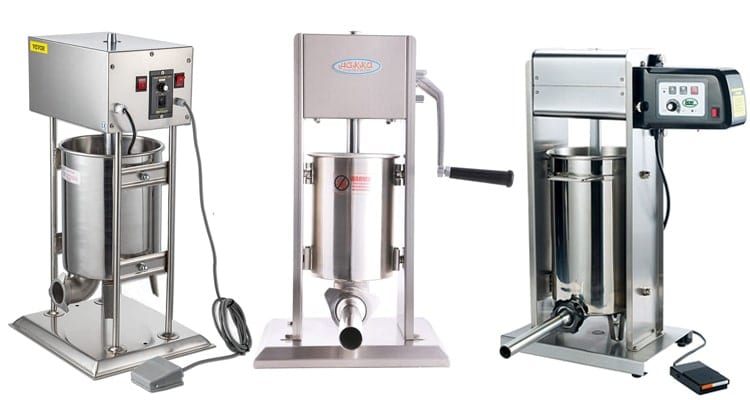
Craft Perfect BBQ Sausages: Top Stuffers for Homemade Grilling Perfection
Looking for the best sausage stuffer? We tested top manual & electric models from Hakka, LEM & more to find the most reliable meat stuffers for homemade sausage.
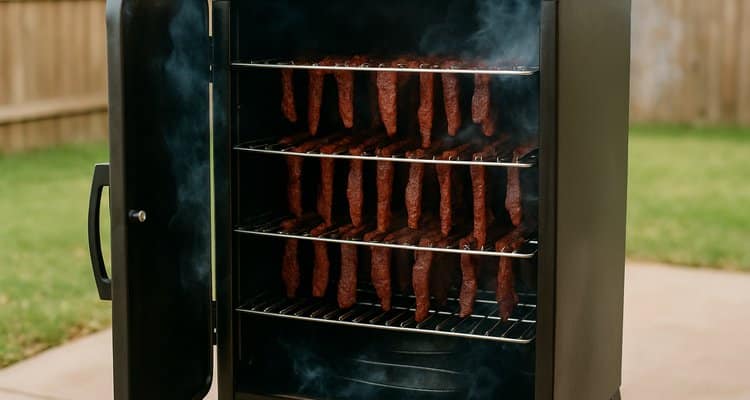
Ultimate Guide to Smokers for Jerky: Perfect Results
Discover the best smokers for homemade jerky with consistent heat control, smoke generation & ample rack space. Expert tested picks.