
Tagged Articles
beef
Strategic BBQ content tag – Beef recipes and cooking techniques

Brisket Flat vs Point: Your Complete Butcher Counter Guide
See the full brisket flat vs point breakdown: fat content, cook times, and best uses for slicing, burnt ends, corned beef, or your very first brisket smoke.

Wet Aging Brisket: Science, Safety & Perfect Timing
Master wet aging brisket in cryovac packaging. Learn timelines, science, safety limits & how pack dates affect tenderness for perfect BBQ.

Corned Beef vs Brisket: Same Cut, Different Treatment
Learn the real difference between corned beef and brisket. One is a cut, the other is a cure. Covers flavor, cooking methods, and when to use each.
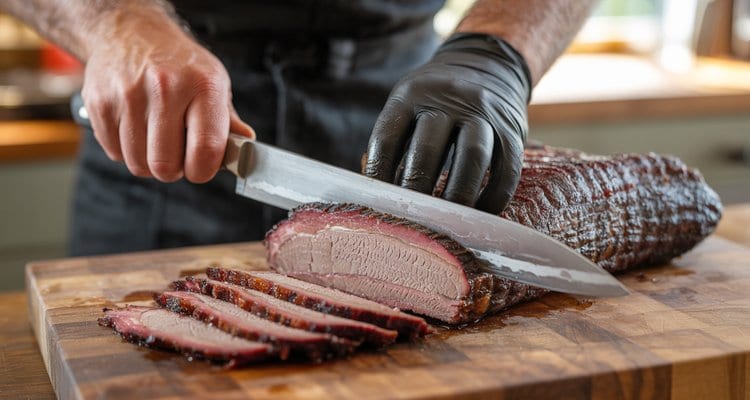
Master Brisket Slicing: Perfect Cuts Every Time
Learn how to cut a brisket the right way, from a whole packer to just the flat or point, with grain direction and slice thickness explained.
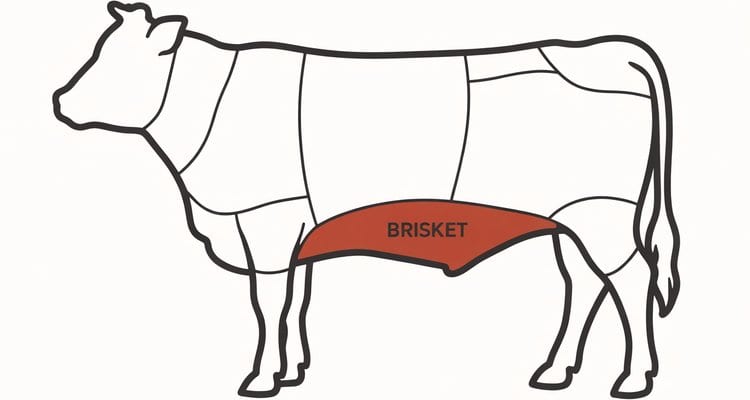
Brisket Anatomy: Where This Cut Comes From on a Cow
Learn exactly where brisket comes from on a cow. Covers primal location, flat vs. point anatomy, and why this chest muscle needs low-and-slow cooking.
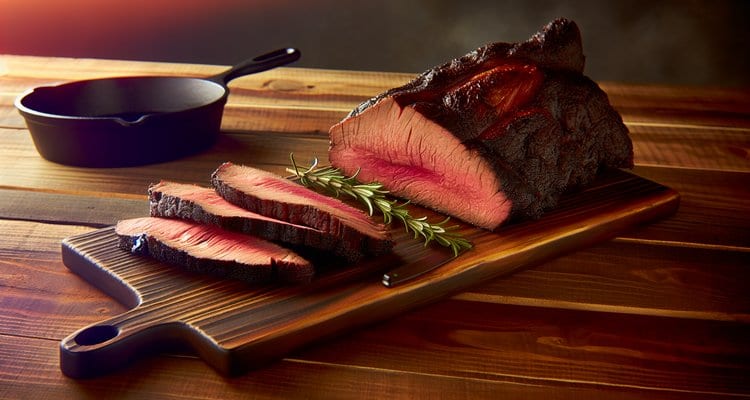
Perfect Smoked Tri Tip: Reverse Sear Recipe for BBQ Mastery
Master smoked tri tip with our reverse sear method at 225°F. Perfect bark, pink smoke ring & juicy results every time. Expert tested guide.
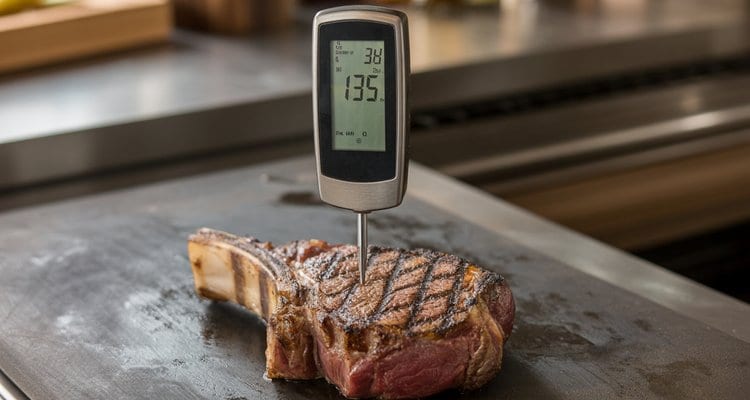
The Complete Internal Meat Temperature Guide: Every Protein
Master safe cooking temps for every protein. Our internal meat temperature guide covers beef, pork, chicken, fish, and lamb with USDA and chef-recommended targets.

Smoked Beef Back Ribs: Ultimate Guide to BBQ Perfection
Master smoked beef back ribs with our complete guide. Learn prep, seasoning, smoking temps & time for tender, beefy perfection on any smoker.

Store-Bought BBQ Sauces That Actually Taste Amazing
Find the best BBQ sauce for ribs, brisket, and chicken. Compare 7 top store-bought brands, regional styles, and sugar-conscious picks for 2026.

Hot and Fast Brisket: Cook It in Half the Time
Master the hot and fast brisket method at 300-325°F. Learn wrapping techniques, time estimates, internal temps, and how it compares to low and slow smoking.