

Smoked pork steaks deliver the depth of ribs and the pull-apart tenderness of pulled pork in a fraction of the time. Cut from the pork shoulder, these thick, marbled steaks respond beautifully to a three-phase cook: smoke at 250°F, braise to 200-205°F, and sear over direct heat for a sticky, caramelized finish.
While the USDA recommends cooking pork to a minimum internal temperature of 145°F with a three-minute rest,[USDA] pork steaks benefit from going well beyond that threshold. The collagen in shoulder meat only breaks down above 195°F.
- Three-Phase Cooking — Achieve ultimate tenderness and flavor with a smoke-braise-sear method. Start by smoking at 250°F, then braise in a covered pan with liquid, and finish with a quick sear for a caramelized crust.
- Optimal Temperature — Cook pork steaks to an internal temperature of 200-205°F, well beyond the USDA minimum of 145°F. This higher temperature is crucial for breaking down tough collagen in the Boston butt cut, ensuring a melt-in-your-mouth texture.
- Key Ingredients — Use a mustard binder and a generous coating of BBQ rub for a flavorful bark. Braise with butter, apple juice, and BBQ sauce to keep the meat moist and tender. Finish with a fresh coat of sauce for a sticky glaze.
- Wood Selection — Opt for mild fruit woods like apple or cherry for a complementary smoke flavor. Hickory or pecan can be used for a more assertive smoke profile, enhancing the rich taste of the pork.
What Are Pork Steaks?
Pork steaks are thick cross-section slices cut from the pork shoulder, specifically the Boston butt. Unlike lean pork chops from the loin, these cuts contain abundant fat, collagen, and connective tissue that render into tender, juicy meat when cooked low and slow on a smoker or grill.
Cut from the Pork Shoulder
Also known as a pork blade steak, this cut comes directly from the pork shoulder (or Boston butt). This area is well-marbled with intramuscular fat and rich in connective tissue, which is why it’s also used for pulled pork.
Why They Are Great for Smoking
The high fat content and rich marbling make pork steaks one of the most forgiving cuts for smoking. They absorb smoke deeply and are nearly impossible to dry out at proper smoker temperatures.
Pork Loin Steaks vs. Shoulder Steaks
Shoulder and loin steaks require different finishing temperatures because their fat and connective-tissue levels are not the same:
- Pork shoulder steak (blade steak): This well-marbled cut must reach 200-205°F so its abundant collagen can melt and the meat can become tender.
- Pork loin steak: This much leaner cut will dry out at shoulder-steak temperatures. Smoke it only to the USDA-recommended internal temperature of 145°F, followed by a three-minute rest.
Confirm which cut you have before choosing a target temperature; the correct endpoint for one produces a poor result with the other.
- ThermoMaven wireless meat thermometer — follow meat temperatures remotely without opening the smoker
- Traeger Signature Blend pellets — adds balanced smoke profile for backyard cooks
- Western BBQ smoking wood chips variety pack — adds wood-smoke flavor on charcoal or gas grills
How Do You Choose the Best Pork Steaks?
Choose pork steaks that are at least 3/4 inch thick and ideally 1 inch thick. Then use the marbling and sourcing guidance below to find a cut that will stay juicy during the cook.
Check for Abundant Marbling
Look for bright, reddish-pink meat with plenty of intramuscular fat distributed throughout the cut. That marbling slowly renders during cooking, basting the meat from within and supplying the flavor and moisture needed for a tender result.
Where to Find Pork Steaks
Most grocery stores in the Midwest stock pork steaks year-round. In other regions, ask your butcher to cut cross-section slices from the Boston butt at your preferred thickness.
How Should You Season Pork Steaks?
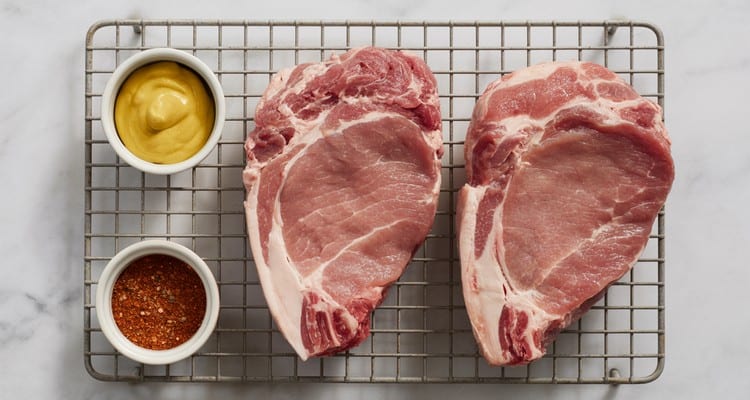
To season pork steaks, pat them dry, apply a thin layer of yellow mustard as a binder, and coat generously with your favorite BBQ rub. Let the seasoned steaks rest for at least 30 minutes before smoking.
Pat Steaks Dry First
Before applying any BBQ rub or seasoning, thoroughly pat the pork steaks dry with paper towels. A dry surface helps the binder and rub adhere properly, which is the first step toward building a great bark.
Wipe Away Bone Fragments
Because pork shoulder steaks are sliced across the bone using a butcher’s band saw, they often have tiny, sharp bone fragments and bone dust clinging to the meat. Before applying any binders or seasonings, take a damp paper towel and firmly wipe down both sides of each steak. Feel the edges of the bone with your fingers to ensure you have cleared away any loose shards that could ruin a bite.
Apply a Mustard Binder
Coat each side of the steak with a thin layer of yellow mustard. The mustard acts only as a binder for the rub to stick to; its flavor cooks off completely during the smoking process.
Coat Generously with Rub
Apply a generous, even coating of a classic rib rub containing paprika, brown sugar, and garlic powder. Press the seasoning mixture firmly onto all sides of the meat to ensure it adheres well.
Let the Seasoning Set
Allow the seasoned steaks to rest for at least 30 minutes before they go on the smoker. This process, known as dry-brining, helps the rub form a tacky surface that will attract more smoke.
How to Properly Dry Brine or Wet Brine Pork Steaks
Letting the rub rest for 30 minutes helps it adhere, but a true brine requires more time. Choose the method that fits your schedule:
- Dry brine: Apply kosher salt at about 1/2 teaspoon per pound, then place the steaks on a wire rack in the refrigerator for 12 to 24 hours before cooking. The salt draws out moisture, dissolves, and moves back into the muscle fibers for a juicier result.
- Wet brine: Soak the steaks in water, kosher salt, brown sugar, and apple cider vinegar for 4 to 12 hours. This step is optional because shoulder steaks already contain abundant marbling.
Dry brining provides the longer seasoning window, while wet brining is an optional alternative rather than a requirement for this naturally fatty cut.
Phase 1: Smoking the Pork Steaks
Smoke the pork steaks at 250°F for approximately 1.5 to 2 hours, or until the internal temperature reaches 160-165°F. Use a mild fruit wood like apple or cherry for a complementary smoke flavor that won’t overpower the rich taste of the pork.
Set Smoker to 250°F
Preheat your smoker to 250°F. This temperature is ideal for pork shoulder cuts as it renders the intramuscular fat more efficiently than a lower temperature like 225°F, leading to a more tender result.
Smoke to an Internal Temp of 160-165°F
Place the seasoned steaks on the smoker grate and cook for about 1.5 to 2 hours. Use a reliable instant-read thermometer to monitor the internal temperature, pulling them off for the next phase once they hit the 160-165°F range.
Recommended Wood Choices: Apple or Cherry
Use a mild fruit wood like apple or cherry for a sweet smoke that perfectly complements pork. For a more assertive smoke character, hickory or pecan are also excellent choices.

Phase 2: Braising for Ultimate Tenderness
After the initial smoke, transfer the steaks to an aluminum pan with butter, apple juice, and BBQ sauce. Cover the pan tightly with foil and continue to cook at 250°F for another 1.5-2 hours, until the internal temperature reaches a probe-tender 200-205°F.

Why You Must Cook Past 145°F
Pork steaks must be cooked well past the USDA minimum of 145°F to become tender.[USDA] The tough collagen and connective tissue in the shoulder cut only break down when the internal temperature climbs above 195°F.
How to Prepare the Braising Pan
Once your steaks reach 160-165°F, transfer them to a disposable aluminum pan. Add a few pats of butter, a splash of apple juice or beer, and a generous drizzle of BBQ sauce over each steak. Cover the pan tightly with aluminum foil and return it to the smoker.
Braise Until 200-205°F Internal
Return the covered pan to the smoker and continue cooking at 250°F. The braising phase is complete when the steaks are probe-tender and have reached a final internal temperature between 200°F and 205°F.
Oven-Finishing Alternative for the Braise
If you want to save wood pellets or charcoal, you can easily transition the braising phase to a standard kitchen oven. Once the pork steaks reach 160-165°F on the smoker, transfer them to your prepared aluminum pan, cover tightly with foil, and place them in an oven preheated to 250°F. The oven provides the exact same ambient heat and sealed steam environment as the smoker, allowing the collagen to break down perfectly while saving fuel.
Phase 3: Searing for a Caramelized Crust
For the final step, remove the tender steaks from the braising liquid, apply a fresh coat of BBQ sauce, and sear them over direct high heat for 3-5 minutes per side to create a sticky, caramelized crust.
Apply a Final Coat of BBQ Sauce
Once the steaks are tender, carefully remove them from the hot braising liquid and place them on a separate tray. Brush a final, even layer of your favorite BBQ sauce over both sides of each steak.
Sear Over Direct High Heat
Place the glazed steaks directly over a hot fire. This final, quick sear caramelizes the sugars in the sauce, building the essential sticky, lacquered crust that defines a great pork steak.
Flip Frequently to Prevent Burning
Flip the steaks frequently during this final step. The high sugar content in the BBQ sauce can burn quickly over direct heat, so constant turning is key to building an even crust without charring.
Alternative: The Direct Reverse-Sear Method
While the three-phase braising method yields the most tender, fall-apart pork steaks, some pitmasters prefer a firmer, more traditional steak texture. For this, use the direct reverse-sear method. Smoke the steaks directly on the grates at 225-250°F until they reach an internal temperature of 180-185°F, spritzing with apple juice every 45 minutes to keep them moist. Skip the braising pan entirely, apply your BBQ sauce, and move them directly over high heat to sear and caramelize. This yields a steak with a more pronounced chew and a highly defined bark.
What is the Best Time and Temperature for Smoked Pork Steaks?
The total cook time for smoked pork steaks ranges from 4 to 4.5 hours across three phases. The initial smoke takes 1.5 to 2.5 hours. Next, the braise runs for 1.5 to 2 hours in a covered pan, and the final sear takes just 6 to 10 minutes over direct heat.
| Phase | Smoker Temp | Target Internal Temp | Time Estimate | Key Action |
|---|---|---|---|---|
| Smoke | 225-250°F | 160-165°F | 1.5-2.5 hours | Low and slow with fruit wood |
| Braise | 250°F | 200-205°F | 1.5-2 hours | Foil-covered pan with butter, juice, sauce |
| Sear | High heat (direct) | N/A | 3-5 min per side | Caramelize BBQ sauce glaze |
How Do You Serve and Store Smoked Pork Steaks?
Serve smoked pork steaks immediately with classic BBQ sides. Store leftovers in an airtight container in the refrigerator for up to four days and reheat gently in a foil-wrapped package with a splash of liquid.
What to Serve with Pork Steaks
Serve smoked pork steaks with classic BBQ sides like coleslaw, baked beans, or cornbread. The rich, smoky flavor also pairs well with a simple green salad or roasted vegetables.
How to Store Leftovers
Allow any leftover pork steaks to cool completely before placing them in an airtight container or vacuum-sealed bag. They can be stored safely in the refrigerator for up to four days.[USDA]
How to Reheat
To reheat, wrap the steaks in foil with a splash of apple juice or broth to add moisture. Place them in a 300°F oven or on the cool side of a grill until warmed through, ensuring they don’t dry out.
Frequently Asked Questions
How long does it take to smoke pork steak on a grill?
The total cook time for smoked pork steaks runs 4-4.5 hours when using the smoke-braise-sear method. The initial smoke at 225-250°F takes 1.5-2.5 hours, the foil-wrapped braise adds another 1.5-2 hours at 250°F, and the final direct-heat sear takes about 6-10 minutes total.
Do you flip pork steaks when smoking?
During the low-and-slow smoke phase, flipping is not necessary because the ambient heat cooks the meat evenly from all sides. However, flipping is critical during the final high-heat sear. The sugary BBQ sauce glaze burns quickly over direct heat, so turn the steaks every 60-90 seconds to build an even crust without charring.
Is it better to smoke steak at 225 or 250?
For pork steaks specifically, 250°F is the preferred temperature. The slightly higher heat renders the intramuscular fat in the pork shoulder more efficiently than 225°F, producing a more tender result. Smoking at 225°F works fine but may leave more unrendered fat.
How do I cook pork steaks so they are tender?
The key to tender pork steaks is reaching an internal temperature of 200-205°F, which requires cooking far past the USDA minimum of 145°F.[USDA] The braising step in a foil-covered pan with butter and liquid is what drives the collagen breakdown. Without the braise, pork steaks remain tough and chewy even at safe temperatures.
What wood is best for smoking pork steaks?
Apple and cherry are the top choices for smoked pork steaks because their mild, sweet smoke complements pork without overpowering it. Hickory and pecan offer bolder smoke profiles for those who prefer a stronger flavor. Avoid mesquite for this cut — its intense smoke can turn bitter.
What temperature should smoked pork steaks reach?
Smoked pork steaks should reach an internal temperature of 200-205°F for optimal tenderness. While the USDA minimum for pork is 145°F, pork shoulder cuts require much higher temperatures to break down the collagen and connective tissue into gelatin, which is what makes the meat tender and juicy.
Can you smoke pork steaks on a gas grill?
Yes, you can smoke pork steaks on a gas grill using a smoker box filled with wood chips. Set up indirect heat by lighting only one side of the burners and placing the steaks on the unlit side. Maintain 250°F and add soaked wood chips to the smoker box every 30-45 minutes for consistent smoke.
How do you know when smoked pork steaks are done?
Smoked pork steaks are done when a thermometer probe slides into the meat with almost no resistance, similar to room-temperature butter. The internal temperature should read 200-205°F. Visual cues include the meat pulling back slightly from the bone and the surface having a deep mahogany bark.
Should you wrap pork steaks in foil?
Yes, wrapping pork steaks in foil during the braising phase is essential for tenderness. Transfer the steaks to an aluminum pan, add butter and liquid, then cover tightly with foil. The trapped steam accelerates collagen breakdown and prevents the meat from drying out during the extended cook.
Can you make smoked pork steaks ahead of time?
Smoked pork steaks reheat well and can be prepared up to two days ahead. Complete the smoke and braise phases, then refrigerate. When ready to serve, reheat in a 300°F oven wrapped in foil with a splash of apple juice, then finish with a quick sear for a fresh caramelized crust.
What is the 6 2 2 rule for pork?
The 6-2-2 rule is a high-heat grilling method typically used for thin pork chops, where you grill for 6 minutes on one side, flip for 2 minutes, and rest for 2 minutes. This method is not suitable for thick-cut pork shoulder steaks, which require a low-and-slow cook up to 200-205°F to properly break down tough connective tissues.
Can you smoke pork loin steaks?
Yes, but you must treat them differently than shoulder steaks. Because pork loin is very lean, it should only be smoked to an internal temperature of 145°F with a three-minute rest. Attempting to cook a loin steak to 200°F will dry it out and make it extremely tough.
Take Home Message
Smoked pork steaks are a fantastic way to enjoy the rich, tender qualities of pork shoulder in a more manageable format. By following the three-phase smoke-braise-sear method, you’ll achieve incredibly juicy meat with a perfect caramelized crust.
Don’t be afraid to cook these past traditional pork temperatures; the higher internal temperature is key to breaking down tough connective tissue for ultimate tenderness.
Smoked Pork Steaks
Equipment
- Smoker Any type of smoker (pellet, offset, charcoal) will work.
- Instant-read thermometer Crucial for monitoring internal temperatures at each phase.
- Aluminum Pan For the braising phase of the cook.
- Aluminum foil To tightly cover the pan during braising.
Ingredients
For the Pork Steaks
- 4 pork steaks about 1-inch thick
- 1/4 cup yellow mustard as a binder
- 1/2 cup BBQ pork rub your favorite blend
For the Braise and Glaze
- 4 tbsp unsalted butter cut into pats
- 1/2 cup apple juice or beer
- 1 cup BBQ sauce divided
Instructions
- Pat the pork steaks thoroughly dry with paper towels. Apply a thin, even layer of yellow mustard to all sides of each steak to act as a binder.
- Generously coat the steaks on all sides with your BBQ pork rub, pressing it gently into the meat. Let the seasoned steaks rest for at least 30 minutes.
- Preheat your smoker to 250°F. Use a mild fruit wood like apple or cherry for smoke.
- Place the pork steaks directly on the smoker grate. Smoke for 1.5 to 2 hours, or until the internal temperature reaches 160-165°F.
- Transfer the smoked steaks to an aluminum pan. Top each steak with a pat of butter, a splash of apple juice, and a drizzle of BBQ sauce (about half of the total sauce).
- Cover the pan tightly with aluminum foil and return it to the 250°F smoker. Braise for another 1.5 to 2 hours, or until the steaks are probe-tender and the internal temperature is between 200-205°F.
- Prepare your grill or smoker for direct, high-heat searing. Carefully remove the tender steaks from the braising liquid and brush a final, even layer of the remaining BBQ sauce over both sides.
- Sear the glazed steaks over direct heat for 3-5 minutes per side, flipping frequently to caramelize the sauce without burning it. The glaze should be sticky and lacquered.
- Remove the steaks from the heat and let them rest for 5-10 minutes before serving.
Notes
Related BBQ Guides
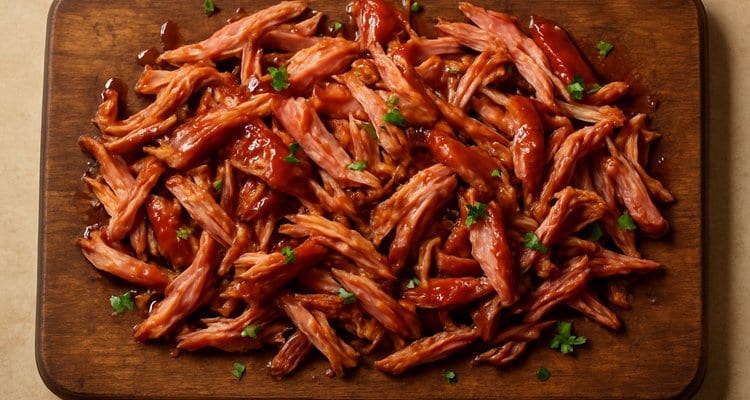
Pulled Ham Recipe: Sweet & Savory Holiday Perfection
Transform ham into tender, flavorful pulled meat! Our easy recipe features melt-in-your-mouth texture with sweet glaze. Perfect for holidays.
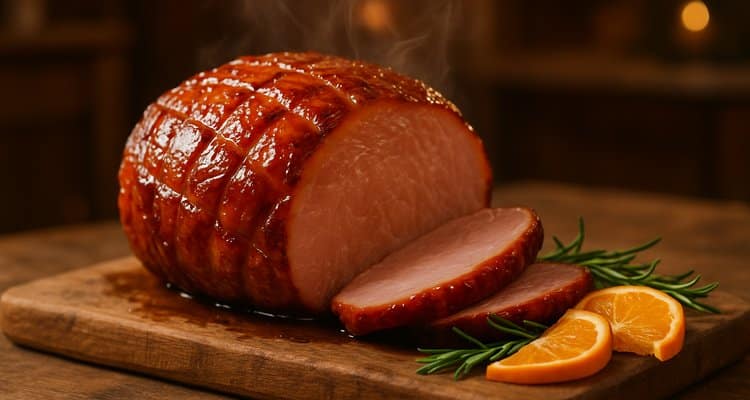
Perfect Smoked Ham: Complete Holiday Smoking Guide
Master the perfect smoked ham with our complete guide. Learn selection tips, smoking techniques, glaze recipes & holiday planning for incredible flavor.

Ultimate Jerky Seasoning Kits: Safe, Flavorful Results
Discover our top jerky seasoning kits with cure packets, flavor variety & tested performance. LEM, Nesco & more expert picks.