
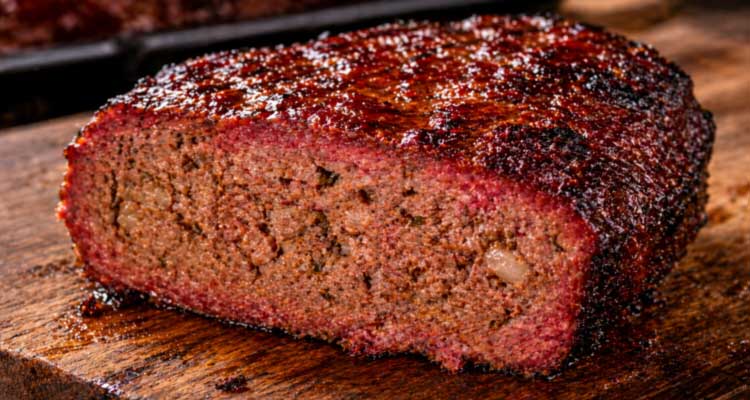
Let’s be honest – meatloaf has a reputation problem. For a lot of folks, it conjures up memories of dry, gray slabs of mystery meat drowning in a watery ketchup glaze. But here’s the thing: that version never met a smoker. Once you fire up a pellet grill and let hickory or cherry smoke do its work, smoked meatloaf becomes one of the most unexpectedly spectacular things you can cook in the backyard. This is comfort food transformed – same soul, completely different attitude. We’re talking a deep mahogany bark on the outside, a gorgeous pink smoke ring just below the surface, and a juicy, flavor-packed center that makes people reach for a second slice before the first one’s gone. If you’ve written off meatloaf, the smoker is here to change your mind.
How Do You Build the Perfect Cowboy Smoked Meatloaf?
A great smoked meatloaf starts with bold, hearty ingredients that can hold their own against the intensity of wood smoke. This isn’t a delicate dish – it’s a cowboy cook, and you want flavors that announce themselves.
- 80/20 ground beef: That 20% fat content is non-negotiable – it’s what keeps the loaf moist through a 2.5 to 3 hour smoke. Leaner blends dry out and crumble.
- Finely diced onion: Softens and sweetens as it cooks, adding moisture from the inside out.
- Minced garlic, Worcestershire sauce, and eggs: The flavor foundation – these bind everything together while adding savory depth.
- Bold BBQ rub: Reach for a peppery beef seasoning – Meat Church Holy Gospel or The Gospel All Purpose are popular choices that smoke amplifies beautifully.
- Smoked paprika, cumin, black pepper, and cayenne: Season aggressively. The smoke demands ingredients that can stand up to it.
- Cubed pepper jack cheese: Fold it throughout the mixture for pockets of spicy, melty goodness in every slice.

Pro Techniques for Texture and Moisture
To elevate your cowboy meatloaf from good to competition-level, consider these professional prep techniques:
- Sauté the aromatics: Cook the onions and garlic in one tablespoon of butter or olive oil until soft and translucent. This sweetens the onions and prevents crunchy, undercooked vegetable pockets in the finished loaf.
- Use a panade: Soak the breadcrumbs in a splash of whole milk or heavy cream for 5 to 10 minutes, forming a wet paste before mixing. This starch-and-liquid paste coats the meat fibers and helps lock in moisture during the long smoke.
- Blend the meats: For a different flavor and fat balance, combine 80/20 ground beef with ground pork or sweet Italian sausage in a 50/50 ratio.
- Try the mold-and-dump method: Pack a soft meat mixture into a standard loaf pan lined with plastic wrap, immediately invert it onto the wire smoking rack, and peel away the wrap. This creates a uniform loaf that holds its shape without the restriction of a pan.
Whichever techniques you use, mix gently and only until combined. Shape the mixture into a tight log about 9-10 inches long and 4-5 inches wide; overmixing compacts the proteins and produces a dense, tough texture.
- Ammzo digital meat thermometer — confidently measure meat’s internal doneness
- Hotec stainless kitchen tongs — flip items cleanly without puncturing them
- Grill Armor extra-long heat-resistant gloves — shielding hands from hot grates, pans, and smoker parts
- Spice Guru BBQ rub set — several seasoning options for any BBQ cook
Should You Wrap Your Smoked Meatloaf in Bacon?
If you want to take this recipe from great to legendary, wrap that meatloaf in bacon. A bacon weave is the move – lay strips horizontally and weave vertical strips through them, creating a tight lattice that hugs the entire loaf. The bacon does double duty here. As it renders during the smoke, it continuously bastes the ground beef beneath it, locking in fat and moisture that would otherwise evaporate. It also creates a crackling, savory exterior that adds texture and flavor in every bite.
Smoker Setup: Traeger, Pit Boss, and Pellet Grills
This recipe is tailor-made for a pellet grill. A Traeger or Pit Boss makes holding a consistent 225°F to 250°F almost effortless: set it and monitor it. The automated pellet feed maintains temperature without the constant adjustment that charcoal or offset smokers require, which is useful during a multi-hour cook.
Choose the wood according to the smoke profile you want:
- Hickory: The classic choice with beef, providing a bold, earthy, unmistakably BBQ flavor.
- Cherry: A slightly sweet counterpoint that pairs well with bacon.
- Mesquite: A stronger, more intense smoke. Use it sparingly because it can overpower the meat during a long cook.
Hickory is the dependable starting point, while cherry softens the profile and mesquite pushes it in a more assertive direction.
The Perforated Foil Pan Alternative
If you do not have a wire cooling rack handy, a disposable aluminum foil pan works beautifully with a simple modification. Use a knife or skewer to poke several dozen small holes in the bottom of the pan. Place your shaped meatloaf inside and set the pan directly on the smoker grates. This perforated foil pan technique allows the wood smoke to circulate around the sides and bottom of the meat while letting excess grease drain away cleanly into your smoker’s drip tray, preventing the meat from boiling in its own rendered fat.
Preheat your smoker for 15-20 minutes before loading the meatloaf. Place the wire rack directly on the grates and close the lid. Resist the urge to open it constantly – each lid lift drops the temperature and adds to your cook time.
How Do You Make Jack Daniels Meatloaf Sauce?
Every great smoked meatloaf deserves a glaze that can stand up to the smoke. A basic ketchup topping won’t cut it here – you need a meatloaf sauce with some backbone. Here’s how to build it:
- Start with a cup of your favorite BBQ sauce as the base.
- Add two tablespoons of Jack Daniels Tennessee whiskey for a warm, slightly smoky depth that complements the wood smoke already on the meat.
- Stir in two tablespoons of brown sugar for sweetness and caramelization.
- Balance with a tablespoon of apple cider vinegar for brightness and tang.
- Simmer over medium-low heat for 5-7 minutes until the sauce thickens slightly and the alcohol cooks off.
Apply a generous coat to the meatloaf during the last 30-45 minutes of the cook. This timing is critical – too early and the sugars burn into bitterness, too late and the glaze doesn’t have time to set into that sticky, lacquered finish you’re after.
What Is the Ideal Cooking Process and Internal Temp for Smoked Meatloaf?
The first rule of BBQ: it’s done when it’s done, not when the clock says so. Use this as your quick reference, but always let your thermometer have the final word.
| Step | Detail |
|---|---|
| Smoker Temperature | 225°F – 250°F |
| Wood | Hickory or cherry (mesquite sparingly) |
| Estimated Cook Time | 2.5 – 3.5 hours (varies by thickness) |
| Done Temperature | 160°F – 165°F at the center (not near edges) |
| Glaze Timing | Last 30-45 minutes of the cook |
| Resting Time | 10-15 minutes tented under foil before slicing |
| Cook Surface | Wire rack on grates – never a loaf pan |
Insert your thermometer probe into the thickest part of the center of the loaf – not near the edges, where the reading will be skewed higher. Once you hit 160°F, you’re done.
Freezing and Reheating Guidelines
Smoked meatloaf freezes exceptionally well, making it useful for meal prep. Follow these two stages:
- Freeze: Let the cooked meatloaf cool completely in the refrigerator. Slice it into individual portions, wrap each slice tightly in plastic wrap, and place the portions in a heavy-duty freezer bag. The meatloaf will keep its peak flavor for up to 3 months in the freezer.
- Reheat: Thaw the slices in the refrigerator overnight. Place them in a baking dish with a few tablespoons of beef broth, cover tightly with aluminum foil, and warm in a 325°F oven for 15 minutes until heated through.
Cooling before freezing and adding broth during reheating help the slices retain moisture.
Frequently Asked Questions
How long does it take to smoke a meatloaf at 225°F?
Do I need a loaf pan on the smoker?
Can I adapt techniques from famous pitmasters for this recipe?
What wood is best for smoked meatloaf?
Can I make smoked meatloaf without the bacon wrap?
What substitutions work well in this recipe?
How do I store and reheat leftover smoked meatloaf?
What is cowboy meatloaf?
Cowboy meatloaf is a hearty, rustic twist on the classic comfort food. It features bold, robust seasonings like chili powder, cumin, and Worcestershire sauce, often combined with rich mix-ins like pepper jack cheese, and is finished with a sweet, whiskey-infused BBQ glaze rather than traditional ketchup.
What side dishes go best with smoked meatloaf?
Classic BBQ sides pair beautifully with the rich, smoky flavor of this meatloaf. Excellent choices include smoked mac and cheese, garlic mashed potatoes, grilled corn on the cob, bacon-wrapped asparagus, or a crisp coleslaw to cut through the richness of the beef and bacon.
Can meatloaf be cooked in a smoker?
Yes, cooking meatloaf in a smoker is highly recommended. The low-and-slow heat keeps the meat incredibly juicy while the wood smoke penetrates the outer layers, creating a beautiful pink smoke ring and a complex, savory flavor profile that a traditional indoor oven simply cannot replicate.
Ready to Fire Up the Smoker?
Smoked meatloaf is one of those recipes that genuinely surprises people – a dish most folks dismiss as boring turns into a BBQ showstopper with nothing more than a good seasoning, a wire rack, and a few hours of low smoke. Once you’ve had a slice with that pink smoke ring and sticky Jack Daniels glaze, the kitchen oven version simply can’t compete. Everything you need to nail this cook is in the recipe card below. Fire it up, trust your thermometer, and get ready to hand out a lot of recipe requests.
Pellet Grill Smoked Meatloaf
Equipment
- Smoker or pellet grill Set up for indirect cooking at 225-250 degrees F
- Wire Rack Keeps the meatloaf free-form and exposed to smoke on all sides
- Foil-lined sheet pan For shaping and transferring the loaf
- Instant-read thermometer or probe thermometer For checking the center of the meatloaf
- Small saucepan For simmering the Jack Daniels glaze
Ingredients
For the Meatloaf
- 2 pounds 80/20 ground beef fat content helps keep the loaf moist during smoking
- 1 pound ground pork for a richer beef-and-pork blend
- 1 medium yellow onion finely diced
- 3 cloves garlic minced
- 2 large eggs lightly beaten
- 1/2 cup breadcrumbs or rolled oats binder for moisture and structure
- 2 tablespoons Worcestershire sauce
- 3 tablespoons BBQ rub use a savory beef-friendly rub
- 1 teaspoon smoked paprika
- 1/2 teaspoon ground cumin
- 1/2 teaspoon black pepper freshly ground
- 1/4 teaspoon cayenne pepper optional, for mild heat
- 1 cup pepper jack cheese cubed
- 10 slices standard-cut bacon optional, for a bacon wrap or weave
For the Jack Daniels Glaze
- 1 cup BBQ sauce or ketchup-based BBQ sauce
- 2 tablespoons Jack Daniels Tennessee whiskey
- 2 tablespoons brown sugar packed
- 1 tablespoon apple cider vinegar
- 1 teaspoon Worcestershire sauce
Instructions
- Preheat your smoker or pellet grill to 225-250 degrees F using hickory or cherry wood.
- In a large bowl, gently combine the ground beef, ground pork, onion, garlic, eggs, breadcrumbs or oats, Worcestershire sauce, BBQ rub, smoked paprika, cumin, black pepper, cayenne, and pepper jack cheese. Mix only until combined so the loaf stays tender.
- Shape the mixture into a tight free-form loaf about 9-10 inches long and 4-5 inches wide. Place it on a wire rack set over a foil-lined sheet pan.
- If using bacon, wrap the loaf with standard-cut bacon or build a simple bacon weave around the outside.
- Place the wire rack directly on the smoker grates. Smoke with the lid closed until the meatloaf begins to set and develop color, about 2 hours.
- While the meatloaf smokes, combine the BBQ sauce, Jack Daniels, brown sugar, apple cider vinegar, and Worcestershire sauce in a small saucepan. Simmer over medium-low heat for 5-7 minutes until slightly thickened.
- Brush the glaze over the meatloaf during the final 30-45 minutes of smoking so it sets into a sticky, caramelized crust.
- Continue smoking until the center of the meatloaf reaches 160 degrees F on an instant-read thermometer or probe thermometer.
- Transfer the meatloaf to a cutting board, tent loosely with foil, and rest for 10-15 minutes before slicing.
Notes
Related BBQ Guides

Create Future Grill Masters: Age-Appropriate BBQ Skills for Kids
Discover how to involve children in cooking with our age-by-age guide. Learn kitchen safety tips, age-appropriate tasks, and fun recipes that help kids develop

Perfect Grilled Corn: Essential Techniques for This Ultimate BBQ Side
Master grilled corn on the cob with two proven grilling methods, expert char technique, and topping ideas from a 20-year BBQ veteran. Ready in 20 minutes.

How to Smoke Eggs: Easy Recipe for Pellet Grills & Smokers
This smoked eggs recipe covers both smoking methods, wood choices, and timing so you get deep flavor and a golden color every time you fire up the smoker.