

Pellet grills produce their most significant smoke output between 180°F and 225°F, where incomplete combustion generates more flavorful particulate smoke. Starting cooks in this range for the first 1-2 hours, keeping the meat cold from the refrigerator, and adding a smoke tube to the grates are the three most effective ways to increase smoke flavor on any pellet grill. The efficient combustion that makes pellet grills so convenient also limits their smoke output compared to offset smokers and charcoal setups. Understanding why this happens and how to work around it puts you in control of the final flavor profile. This guide covers the science behind pellet grill smoke production, actionable techniques to maximize flavor, the right wood pellet choices, and advanced methods for building bold bark on every cook.
Why Does My Pellet Smoker Not Taste Like Smoke?
Pellet grills use an electric fan and auger system that creates a highly efficient, clean-burning fire. This efficient combustion produces thin blue smoke with less total volume than the heavy smoldering smoke of a traditional offset smoker or charcoal grill, resulting in a naturally milder smoke profile on the finished meat.
Efficient Combustion Explained
A pellet grill’s fan and auger feed compressed wood pellets into the fire pot on a timed cycle. That system creates steady heat, but its clean burn sends less smoke particulate toward the food than a smoldering log fire.
Three parts of the system affect smoke quality:
- Auger timing controls how much fuel reaches the fire.
- Fan airflow supports efficient combustion and stable temperature.
- Fire-pot cleanliness keeps oxygen moving around the pellets.
The Role of Ash Buildup and Burn Pot Maintenance
Ash restricts induction-fan airflow, which can choke the fire, cause temperature swings, and create bitter soot instead of clean wood smoke. Vacuum the burn pot after every 2 to 3 long cooks to maintain consistent airflow and combustion.
The same efficiency that makes a pellet grill predictable is why deliberate smoke-building techniques are useful.
The “Thin Blue Smoke” Standard
Thin blue smoke is actually the ideal smoke for flavor. The issue is volume. A pellet grill simply produces less of it than a stick-burner where logs smolder continuously. A pellet smoker delivers a sweet, subtle smoke character rather than the bold, heavy profile of charcoal or wood-fired cookers. This is not a defect. It is the nature of the design, and every technique in this guide works to push that output higher.
Beware of Pitmaster’s Olfactory Fatigue
Sometimes, the lack of smoke flavor is not the grill’s fault, but your own senses. Standing near a pellet smoker for hours causes olfactory fatigue—also known as pitmaster’s fatigue. Your nose adapts to the constant presence of wood smoke, temporarily dulling your ability to taste it when you finally sit down to eat. To combat this sensory adaptation, step away from the cooking area periodically, take a shower, and change your clothes before serving your BBQ.
- Ammzo digital meat thermometer — tracks meat temperature while you manage the low-smoke and finishing stages
How Do You Master Temperature for Maximum Smoke?
Lower the cooking temperature to 180-225°F during the first 1-2 hours of the cook. This temperature range forces the pellets to smolder rather than burn cleanly, which dramatically increases the output of flavorful smoke. Many grills also have a dedicated low-temperature smoke mode to enhance this effect.
Cook at Low Temperatures Initially
Use a two-stage temperature plan:
- Start at 180–225°F for the first 1–2 hours so the pellets smolder more and produce additional particulate smoke.
- Raise the grill to 250°F or higher after the early absorption window to finish the cook efficiently.
The low start prioritizes smoke-ring development and surface flavor before the hotter finishing stage.
Utilize “Super Smoke” Modes
If the grill has a dedicated smoke setting, use it during the first phase of a long cook:
- Traeger Super Smoke changes the fan cycle to extend pellet smoldering.
- Equivalent smoke-level modes on other controllers recreate small combustion swings for the same purpose.
Return to the normal cooking mode when you raise the finishing temperature.

How PID Controllers and Fan Cycling Impact Smoke
Modern pellet grills rely on PID (Proportional-Integral-Derivative) controllers to maintain incredibly precise temperatures. While excellent for consistency, PID controllers achieve this by burning pellets very efficiently with constant fan airflow, which minimizes smoke. Older, non-PID controllers allowed temperatures to swing by 10°F to 15°F; these temperature drops forced the fire pot to smolder and produce more smoke. Grills with modern ‘Super Smoke’ or smoke level settings artificially recreate these fluctuations by cycling the fan on and off, allowing the wood to smolder without losing overall temperature control.
How Do You Optimize Meat Prep and Surface Moisture?
Smoke adheres best to cold, moist surfaces. Place meat directly from the refrigerator onto the grates and spritz the surface every 45-60 minutes with a liquid like apple cider vinegar. Adding a water pan to the grill also increases ambient humidity, which helps smoke particles stick to the meat.
Keep Meat Cold Before Smoking
Move meat directly from the refrigerator to the grill. The colder surface creates a temperature gradient that attracts smoke particles through thermophoresis and extends the early absorption phase.
Allow for roughly 30–60 minutes of additional cooking time rather than warming the meat on the counter first.
Spritz the Meat Surface Regularly
Maintain a tacky surface without washing away the seasoning:
- Choose apple cider vinegar, water, apple juice, or beef broth.
- Spritz lightly every 45–60 minutes.
- Close the lid promptly to minimize heat loss.
A light film helps smoke adhere; a soaking-wet surface slows bark formation.
Add a Water Pan for Humidity
A filled water pan provides two passive benefits:
- Higher chamber humidity keeps the meat surface receptive to smoke.
- Thermal buffering helps stabilize low cooking temperatures.
Place the pan where it will not block airflow or sit directly beneath a grease-heavy cut.
Utilize the Upper Grate for Better Smoke Flow
Positioning your meat on the upper cooking grate rather than the main lower rack is an easy way to boost smoke exposure. The lower grate sits directly above the hot metal grease tray and heat deflector, which can radiate harsh direct heat. Moving the meat to the top rack places it further from this heat source and directly in the path of the convective, rolling smoke as it drafts upward toward the exhaust chimney, resulting in a more even bark and deeper smoke penetration.
How Do You Use a Smoke Tube for Consistent Smoke?
A stainless steel pellet smoke tube is one of the most effective upgrades for any pellet grill. These tubes hold wood pellets, smolder independently of the grill’s fire system for 2-4 hours, and provide a constant source of supplemental smoke at any cooking temperature.
Set up the tube in four steps:
- Fill it with food-grade wood pellets.
- Hold a torch to the open end for 30–60 seconds until the pellets ignite.
- Blow out the flame and confirm that the fuel continues to smolder.
- Place the tube on the grates away from direct airflow.
Because the tube burns independently, it supplements smoke even during hot-and-fast cooks when the grill’s fire pot produces very little smoke.
Modern Pellet Grills with Integrated Smoke Boxes
If you are in the market for a new cooker, look for modern pellet grills featuring integrated ‘smoke boxes’ or wood chunk chambers, such as the Camp Chef Woodwind Pro. These innovative designs feature a dedicated drawer directly above the burn pot where you can place real wood chunks, charcoal, or wood chips. The heat from the pellet fire ignites the wood blocks, allowing you to burn actual hardwood alongside pellets to achieve the heavy smoke profile of an offset smoker with the convenience of digital temperature control.
What Are the Best Pellets for Strong Smoke Flavor?
Hickory and mesquite pellets produce the strongest, most robust smoke flavor, while fruit woods like apple and cherry deliver a milder, sweeter profile. Pellets made from 100% single-species hardwood produce noticeably more smoke than blended pellets that use oak or alder as a filler base.
Flavor Profiles: Strong vs. Mild Woods
Choose pellet species by the intensity and food pairing you want:
- Hickory or mesquite creates the strongest profile for beef, game, ribs, and other robust foods.
- Oak or pecan offers balanced medium smoke with broad versatility.
- Apple or cherry produces a sweeter, milder character for poultry, pork, and fish.
The comparison table below provides the full intensity and pairing breakdown.
Composition: 100% Hardwood vs. Blends
Read the pellet composition rather than relying only on the flavor named on the bag:
- Single-species hardwood pellets deliver the clearest version of the labeled wood.
- Blended pellets often use oak or alder as a base with a smaller share of the flavor wood.
Choose 100% hardwood made from the named species when maximum smoke impact is the goal.
Never Use Heating Pellets for Cooking
Heating pellets are made for home stoves, not food. They may contain softwoods such as pine or fir, chemical binders, glue, or recycled industrial wood. Use only pellets labeled as 100% food-grade hardwood in a grill or smoker.
Storage: Why Pellet Freshness is Key
Protect pellets from moisture so they burn cleanly and produce aromatic smoke:
- Store in a sealed, airtight container in a cool, dry location.
- Do not leave pellets in an outdoor hopper long-term, especially in humid weather.
- Discard swollen or crumbly pellets that have absorbed moisture.
Species sets the flavor profile, but freshness determines whether the pellets can deliver it consistently.
| Wood Species | Smoke Intensity | Flavor Profile | Best Pairings |
|---|---|---|---|
| Hickory | Strong | Bold, bacon-like, savory | Pork ribs, brisket, pork shoulder |
| Mesquite | Very Strong | Intense, earthy, slightly bitter | Beef, game meats, short cooks |
| Oak | Medium | Balanced, versatile, clean | All meats, good blending base |
| Cherry | Mild-Medium | Sweet, fruity, adds mahogany color | Poultry, pork, salmon |
| Apple | Mild | Light, sweet, delicate | Chicken, turkey, pork chops |
| Pecan | Medium | Nutty, rich, slightly sweet | Brisket, poultry, pork ribs |
For the boldest result, start with hickory or mesquite; choose oak or pecan for balance and fruitwood when a lighter smoke should support rather than dominate the food.
How Can You Layer Smoke Flavor with Seasonings and Binders?
Incorporate smoked paprika, smoked sea salt, or chipotle powder into dry rubs to add a wood-smoke character that layers with real grill smoke. A few drops of high-quality liquid smoke can also be added to binders or marinades, but should be used sparingly to avoid an artificial taste.
Use seasonings as a supporting layer when the grill’s natural smoke is subtle:
- Smoked paprika adds a deep, earthy note that works in most barbecue rubs.
- Smoked sea salt combines salinity with a gentle wood-smoke character.
- Chipotle powder contributes smoke and mild heat, especially for beef.
These ingredients reinforce real wood smoke; they should not overwhelm the meat or replace clean combustion.
Use Liquid Smoke in Binders or Marinades
Add only a few drops of high-quality liquid smoke to a marinade or binder before applying the dry rub. Too much produces an artificial flavor instead of a nuanced smoke layer.
Avoid Thick Rubs and Heavy Binders That Block Smoke
While binders like mustard, hot sauce, or oil help seasonings stick, applying them too thickly can create a physical barrier on the meat’s surface. Heavy, pasty binders and excessively thick layers of coarse dry rub block smoke molecules from making direct contact with the meat fibers. Keep your binder layer paper-thin and apply a balanced, even layer of seasoning to ensure smoke can easily penetrate the surface and build a proper bark.
What Is the 4-Hour Smoke Absorption Window?
Meat absorbs smoke most aggressively during the first few hours of a cook, before the surface dries out and the bark forms. Front-load all smoke-enhancing efforts into the first 4 hours of the cook to maximize the final smoke intensity on any cut. After this window, smoke absorption drops sharply.
Raw, cold, moist meat takes on smoke most readily. For many large cuts, absorption slows around the four-hour mark or when the internal temperature approaches 140°F—the upper boundary of the food temperature danger zone where bacteria can multiply[USDA].
Prioritize the early window:
- Run the smoke tube.
- Use the grill’s low-smoke mode.
- Spritz at the planned intervals.
- Hold the grill at 180–225°F.
Afterward, raise the heat as needed to move through the stall and finish the cook.
The Crucial First-Time Burn-Off for New Grills
Before cooking on a new pellet grill, remove manufacturing oils and coatings:
- Fill the hopper with food-grade pellets.
- Set the empty grill to 400–450°F or its maximum temperature.
- Run it for 30–45 minutes before allowing the chamber to cool.
This initial burn-off clears residue that could create chemical fumes and off-flavors during the first cook.
Frequently Asked Questions About Pellet Grill Smoke Flavor
To get more smoke flavor from your pellet grill, focus on low-temperature cooking, pellet selection, and supplemental smoke sources. This section answers common questions about maximizing smoke, from choosing the right wood to understanding how meat absorbs flavor.
How do I get more smoke flavor from my Traeger?
Enable Super Smoke mode on compatible Traeger models during the first 1-2 hours of your cook. Use Traeger’s stronger wood pellet blends like Hickory or Mesquite instead of the milder signature blends. Adding a third-party pellet smoke tube extends smoke output through the full cook, especially at temperatures above 250°F where Super Smoke is unavailable.
What temperature produces the most smoke on a pellet grill?
The 180-225°F range produces the most visible smoke on a pellet grill. At these lower temperatures, the fire pot burns less completely, generating more smoldering particulate smoke. Temperatures above 275°F create a cleaner, more efficient burn with considerably less smoke output.
Are 100% hardwood pellets worth it?
Blended pellets that use oak or alder as a filler base deliver a less distinctive smoke character than the flavor wood on the label suggests. Paying a modest premium for 100% hardwood pellets made entirely from hickory, mesquite, or cherry produces noticeably more flavor and a more authentic smoke profile on the finished meat.
Does wrapping meat in foil reduce smoke flavor?
Wrapping in foil stops further smoke absorption because smoke cannot penetrate the foil barrier. However, most critical smoke absorption happens in the first 4 hours before the bark sets. Wrapping at the stall, typically after 4-6 hours, has minimal impact on overall smoke flavor because the smoke compounds are already locked into the bark.
How do I store wood pellets to keep them fresh?
Store pellets in a sealed, airtight container in a cool, dry location away from direct sunlight and moisture. Never store pellets in the hopper of an outdoor grill long-term, especially in humid climates, because moisture causes them to swell, crumble, and lose their ability to produce quality smoke. Fresh, intact pellets produce significantly more flavor.
Do pellet smokers give good smoke flavor?
Pellet smokers produce an excellent, clean smoke flavor that works well on all meats. The flavor is naturally milder and sweeter than what an offset smoker or charcoal grill delivers. With the right pellets, low starting temperatures, and a supplemental smoke tube, a pellet grill produces results that rival traditional smokers for most home cooks.
How long should I use a smoke tube?
A fully loaded pellet smoke tube smolders for 2-4 hours depending on its size and the pellet type. Since smoke absorption drops significantly after the bark forms, running the tube for the first 2-3 hours is usually sufficient. Refill and relight it for extra smoke on very long cooks like a 12-hour brisket.
Can I use wood chips in a smoke tube?
Wood chips work in a smoke tube but burn faster than pellets. Mixing chips with pellets is a popular approach. The chips catch quickly and help sustain the smolder, while the denser pellets provide a longer, more consistent burn lasting 3-4 hours instead of 1-2.
Does the type of meat affect smoke absorption?
Fattier, denser cuts like brisket, pork shoulder, and pork belly absorb and hold significantly more smoke than lean cuts like chicken breast or fish. Fat and connective tissue act as carriers for smoke compounds. Thin cuts also have a shorter exposure window before the surface dries out, making smoke tubes and cold-meat techniques more important for poultry.
How can I replicate smoke flavor without a smoker?
Smoked paprika, chipotle powder, and smoked sea salt each add genuine wood-smoke character to dry rubs and marinades without any grill required. Liquid smoke is another option – add just a few drops to sauces, brines, or marinades. Choose a brand that uses natural wood smoke rather than synthetic flavoring, and use it conservatively to avoid an artificial taste.
Is a water pan necessary for smoke flavor?
A water pan is not required but helps in two ways. It maintains ambient humidity inside the cooking chamber, keeping the meat surface moist and receptive to smoke particles. It also acts as a heat buffer that stabilizes temperatures at lower settings where smoke output is highest, making it a simple, passive upgrade for longer cooks.
What gives the best smoke flavor on a pellet grill?
For the strongest smoke flavor, use 100% single-species hardwood pellets like hickory or mesquite, and cook at low temperatures between 180°F and 225°F during the first few hours. Supplementing your cook with a pellet smoke tube filled with fresh pellets will also dramatically increase the smoke profile on any cut of meat.
How many pellets are needed for a 4 hour smoke?
On average, a pellet grill consumes about 1 to 1.5 pounds of pellets per hour at low smoking temperatures (180°F to 225°F). For a 4-hour smoke, you will need approximately 4 to 6 pounds of pellets. Cold or windy weather can increase consumption, so it is always wise to start with a full hopper.
Final Thoughts
Build stronger pellet-grill smoke flavor by combining four controls:
- Combustion: Start low, use smoke mode, and keep the burn pot clean.
- Surface conditions: Begin with cold meat and maintain light moisture during the early cook.
- Fuel: Use fresh food-grade pellets matched to the desired intensity.
- Supplemental layers: Add a smoke tube or restrained smoked seasonings when the grill needs help.
Front-load these techniques before the bark sets, then raise the heat and finish the food to its proper internal temperature.
Related BBQ Guides

Poor Man’s Burnt Ends: Chuck Roast BBQ Magic
Master poor man's burnt ends using chuck roast. Smoke low and slow, braise in sauce, and get that sticky bark for a fraction of brisket's cost.
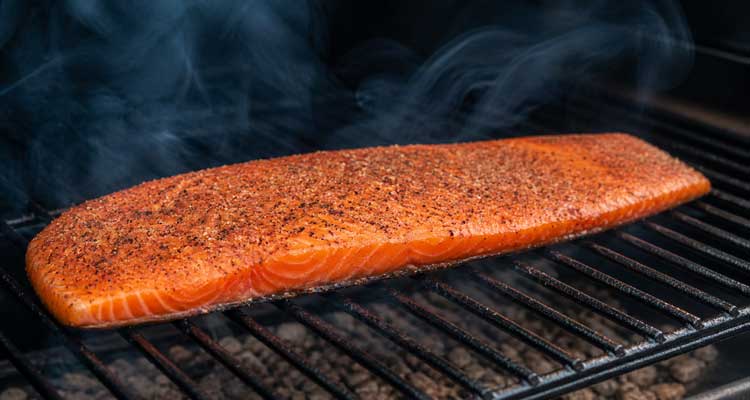
How to Smoke Fish: Your Complete Beginner’s Guide
Learn how to smoke fish with a full brining, wood selection, and temperature guide for moist, flaky fillets every time you fire up the smoker or grill.

2-Burner Grills: Compact Power for Limited Spaces in 2026
Searching for the best 2 Burner Gas Grills for a compact patio or deck? We tested top models to find our favorite picks and buying tips for 2026.