

Discover how to make irresistible candied bacon, also known as “pig candy” – the perfect blend of sweet, savory, and smoky flavors. This easy recipe transforms ordinary bacon into an addictive treat using just four simple ingredients. Whether you’re looking for a unique party appetizer or a show-stopping brunch addition, this candied bacon recipe delivers restaurant-quality results every time.
What Makes Great Candied Bacon?
Three elements determine whether pig candy becomes glossy and crisp-chewy instead of brittle, greasy, or burned:
- Thick-cut bacon: A sturdy slice supports the sweet coating and renders without becoming too brittle.
- Layered caramelization: Brown sugar and maple syrup form the glossy glaze, while cayenne supplies enough heat to balance the sweetness.
- Steady temperature: Cooking at 300-350°F lets the fat render while the sugars caramelize. Higher heat can burn the coating before the bacon cooks; lower heat can leave it chewy and under-caramelized.
The finished strip should have a lacquered surface with a crisp edge and a slightly chewy center.
- Hotec stainless steel kitchen tongs — make turning and moving food easier
How Do You Select the Best Ingredients for Pig Candy?
Choose each ingredient for the job it performs in the finished glaze:
- Bacon: Use a well-marbled, thick-cut package for even rendering and a substantial finished strip.
- Brown sugar: Choose dark brown sugar; its higher molasses content adds more depth than light brown sugar.
- Maple syrup: Use pure maple syrup rather than pancake syrup for a clear, authentic maple flavor.
Quality matters most in this short ingredient list because each component remains easy to taste.
What Is the Step-by-Step Process for Making Candied Bacon?
Build the coating in stages so the bacon renders before the sugars can burn:
- Arrange the strips on a rack with space around them for even heat circulation.
- Cook the bacon bare at first so some of its fat renders before any sweetener is added.
- Apply the sugar mixture in stages, allowing each layer to begin caramelizing before adding the next.
- Add the final maple syrup coating late enough to avoid burning but early enough to caramelize and turn glossy.
- Remove the bacon when it is deeply colored but not burned and the surface looks lacquered.
Use those visual cues with the recipe timing rather than waiting for the hot bacon to feel fully crisp; it firms further as it cools.
How to Smoke Pig Candy on a Grill or Smoker
Indirect heat adds wood-fired flavor without exposing the sugar directly to flame:
- Set the smoker or pellet grill to 275-300°F for indirect cooking.
- Choose a mild fruitwood such as apple, cherry, or pecan so the smoke complements the brown sugar glaze.
- Place the prepared strips on a wire rack directly over the smoker grates.
- Smoke for 45 to 60 minutes, flipping halfway through.
- Apply the maple syrup glaze during the final 15 minutes and watch closely so it caramelizes without burning.
The bacon is ready when the coating is glossy and deeply colored and the rendered strip has begun to crisp.
What Are the Most Common Candied Bacon Mistakes?
Most problems trace to spacing or temperature:
- Bacon stays soft: Overcrowding blocks heat circulation, while temperature swings interrupt rendering. Leave space between strips and keep the cooker steady.
- Sugar burns before the bacon cooks: The heat is too high. Reduce it by 25 degrees and extend the cooking time slightly.
Make one adjustment at a time so the bacon continues rendering while the coating catches up.
What Are Some Creative Pig Candy Variations?
Change the seasoning or glaze without altering the underlying cooking method:
- Black pepper: Add cracked pepper for a sharper bite.
- Warm or smoky spice: Mix cinnamon or smoked paprika into the sugar coating.
- Bourbon glaze: Stir a splash of bourbon into the maple syrup for added complexity.
Keep additions modest so they complement the bacon, caramel, and maple rather than covering them.
Pig Candy Crackers and Bacon Bites
For party portions, choose between a cracker base and small bacon-only pieces:
| Variation | Preparation | Temperature and time | Key cue |
|---|---|---|---|
| Pig candy crackers | Top buttery club crackers with cut-to-fit raw bacon, brown sugar, and cayenne. | 250°F for 40 to 50 minutes | The bacon is crisp and the sugar has melted into the cracker. |
| Candied bacon bites or chips | Cut thick raw bacon into 1- to 2-inch pieces, toss with the brown sugar mixture, and spread in one layer on a baking rack. | 325°F for 15 to 20 minutes | Watch the smaller pieces closely so the sugar does not burn at the edges. |
Use a single layer for either variation so every piece receives consistent heat.
How Should You Store and Serve Candied Bacon?
Candied bacon is best the day it is made, but careful cooling and storage protect its texture:
- Let every strip cool completely before packing it.
- Place the bacon in an airtight container with parchment paper between layers.
- If it softens, recrisp it briefly in a low-temperature oven.
Serve it once the caramel coating has cooled and set, rather than while the sugar is still soft and very hot.
Frequently Asked Questions
Can I make candied bacon in the oven instead of on the grill?
Yes, you can make this recipe in an oven at 325°F. Place the bacon on a rack set over a foil-lined baking sheet to catch drips. The cooking time and process remain the same, though you might miss some of the smoky flavor from the grill.
Why isn’t my candied bacon getting crispy?
Soft bacon usually means either the cooking temperature was too low or the bacon was too crowded on the pan. Make sure to leave space between strips and maintain proper temperature throughout cooking. Also, remember that it will crisp up more as it cools.
How do I prevent the sugar from burning?
The key is adding the sugar mixture in stages and maintaining the right temperature. Start with bare bacon, add the sugar mixture halfway through, and finish with the maple syrup. If you notice any spots browning too quickly, reduce the heat slightly.
Can I make pig candy ahead of time?
You can make candied bacon up to 24 hours in advance. Store it in a single layer or with parchment paper between layers in an airtight container. If it loses its crispness, reheat it in a 250°F oven for 5-10 minutes.
What is pig candy?
Pig candy is a popular barbecue term for candied bacon, which is thick-cut bacon coated in brown sugar, maple syrup, and spices, then baked or smoked until caramelized and crispy.
Can you make pig candy with precooked bacon?
It is not recommended to use precooked bacon for pig candy because it is sliced too thin and lacks the raw fat needed to render and bind with the brown sugar. Thick-cut, raw bacon yields the best texture and prevents the sugar from burning before the meat cooks through.
Can you make pig candy in a dehydrator?
While you can use a dehydrator to dry bacon, it is not recommended for making traditional pig candy. Dehydrators do not reach high enough temperatures to properly render the fat of thick-cut bacon or caramelize the brown sugar glaze, resulting in a greasy, unappealing texture.
Sweet & Spicy Pig Candy (Candied Bacon)
Equipment
- Grill or Oven maintain steady 300-350°F temperature
- Wire Rack elevated for proper air circulation
- Broiler Pan or Baking Sheet to catch drippings
- Mixing Bowl for sugar mixture
Ingredients
- 1 pound thick-cut peppered bacon high-quality, well-marbled
- ½ cup dark brown sugar packed
- ¼ teaspoon cayenne pepper adjust to taste
- ¼ cup maple syrup pure, not pancake syrup
Instructions
- Arrange bacon strips on a wire rack set over a broiler pan, ensuring strips don't overlap.
- In a small bowl, thoroughly mix brown sugar and cayenne pepper until well combined.
- Preheat grill or oven to 300-350°F.
- Place pan with bacon on grill or in oven and cook for 15 minutes.
- Flip bacon carefully and coat generously with brown sugar mixture.
- Continue cooking for another 15 minutes until sugar begins to caramelize.
- Brush both sides with maple syrup and cook 5-10 minutes more until desired crispness.
- Remove from heat and let cool completely on the rack before serving.
Notes
Related BBQ Guides

Grill Trays: Streamline Your BBQ Prep and Serving Process
Looking for the perfect grill tray? We tested top BBQ prep & serving trays to find the most versatile options for outdoor cooking & entertaining.

Homemade Fried Chicken Fingers: Crispy Every Time
Master crispy fried chicken fingers at home with buttermilk marinade, double-dredge breading & precise oil temp control. Restaurant results every time.
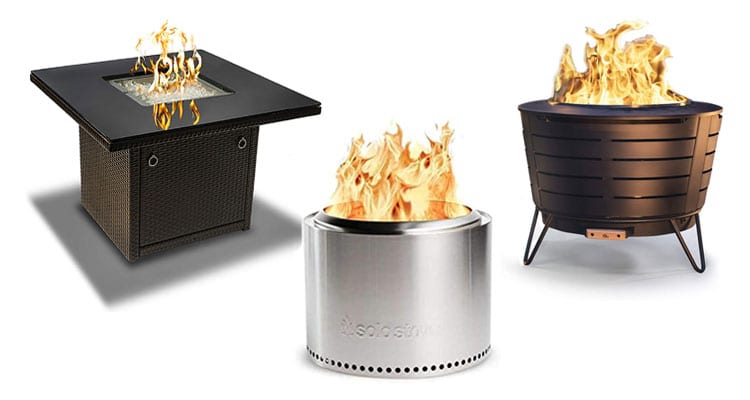
Extend Your BBQ Season: Top Fire Pits for Year-Round Outdoor Enjoyment
Discover the best fire pits under $350 for your backyard in 2026. We tested smokeless, wood-burning, and propane options to find the perfect affordable fire pit.