
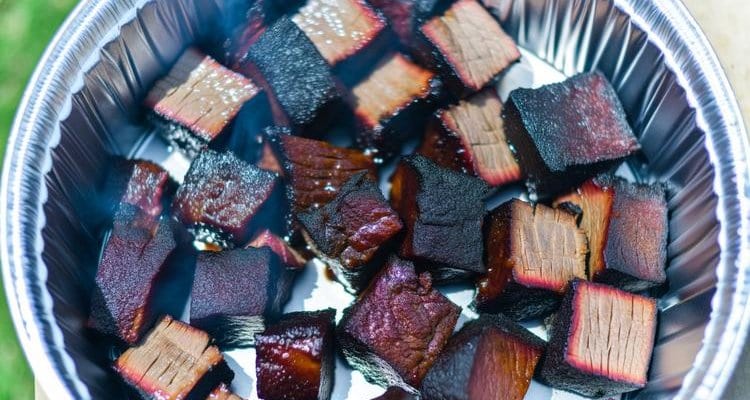
If you’ve ever tasted properly smoked brisket burnt ends, you know why they’re called “meat candy.” These caramelized, smoky cubes of brisket point are the crown jewel of Kansas City BBQ—intensely flavorful, melt-in-your-mouth tender, and coated with a mahogany bark that delivers pure BBQ bliss. This competition-style burnt ends recipe walks you through the two-phase cooking method that transforms the fattiest part of the brisket into legendary bites worthy of any BBQ competition.
What Are Burnt Ends?
Burnt ends are cubed pieces of beef brisket point that undergo a second round of smoking after the initial brisket cook. Despite the name, they’re not actually burnt—rather, they’re deeply caramelized with a thick, crusty bark that develops from extended smoke exposure and a finishing glaze of BBQ sauce, butter, and brown sugar.
The tradition started in Kansas City’s legendary BBQ joints, where pitmasters would cube up the fatty brisket point after the flat was sliced, then toss those cubes back on the smoker with sauce. What emerged were intensely flavored Kansas City burnt ends—candy-like morsels that became so popular they’re now considered a delicacy worth making on their own.
- Cutluxe brisket knife — cuts brisket point for burnt ends
- Spice Guru BBQ seasoning — great for burnt ends bark and glaze prep
- ThermoMaven wireless meat thermometer — tracks internal temperature for probe-tender checks on brisket
- Heat-resistant BBQ gloves — moving brisket cubes and hot pans safely
Why Does the Brisket Point Make the Best Burnt Ends?
The brisket is divided into two main muscles: the flat (or first cut) and the point (or deckle). The flat is lean and uniform, ideal for neat slices. The point, however, contains significantly more intramuscular fat and marbling. This extra fat is precisely what makes Kansas City burnt ends so special—during that second cook, the fat renders and bastes the meat from within, creating that melt-in-your-mouth texture that defines these legendary smoked burnt ends.

When you smoke a whole packer brisket, the point and flat cook together initially. After reaching tender perfection (typically 195-207°F internal temperature), you separate the two muscles and cube the point for the burnt ends treatment. The flat gets sliced for traditional brisket servings.
Should You Buy a Whole Packer or Point-Only Brisket?
Compare the amount of meat, cooking time, and serving goal before choosing the brisket cut for your burnt ends:
| Option | Size and Cook Time | Best For | Trade-off |
|---|---|---|---|
| Whole packer brisket | 12-16 lbs; requires managing a 12+ hour smoke. | Feeding a crowd or serving both sliced brisket flat and burnt ends from the point. | More economical per pound, but it demands a longer cook for a large cut. |
| Brisket point only | 5-7 lbs; about 6-8 hours total cook time. | Smaller gatherings or cooks who want only burnt ends. | More manageable and faster, but you may need a butcher to sell or separate the point. |
A whole packer provides the most variety, while a point-only brisket keeps the cook focused and shorter. For either option, look for good marbling and a thick, even fat cap. USDA Choice grade works well, but Prime grade’s extra marbling delivers even better results for burnt ends due to the higher fat content.
What Equipment Do You Need for Burnt Ends?
Making competition-quality burnt ends requires consistent temperature control over many hours. An offset smoker is the traditional choice for authentic BBQ, but pellet smokers, kamado grills, or any smoker capable of maintaining consistent temperatures in the 225-250°F range will work excellently.
If you’re running a pellet smoker, consider adding a smoke tube filled with wood pellets alongside your main hopper — pellet grills produce a milder smoke profile than offset or charcoal setups, and a smoke tube helps close that gap over the long Phase 1 cook.
You’ll also need:
- Quality thermometers: Both an accurate meat thermometer for internal temps and a grate-level thermometer for smoker monitoring
- Sharp knife: A quality brisket knife with a long, flexible blade for separating the point from the flat and cutting clean cubes
- Aluminum pans: Disposable half-size aluminum pans for the second cook
- Spray bottle: For spritzing the brisket during the smoke
- Quality wood: Oak, hickory, or a blend—check our guide on choosing the right smoking wood for your flavor preferences
What Is the Two-Phase Cooking Method for Burnt Ends?
Phase 1: The Initial Smoke (8-12 hours)
The first phase involves smoking your brisket low and slow until the point reaches probe-tender perfection. Set up your smoker for 225-250°F using oak, hickory, pecan, or a combination. Apply a generous coating of your favorite beef rub to all surfaces of the brisket—the bark development during this phase is crucial.
Before applying the rub, a thin coat of yellow mustard rubbed over the surface helps the rub adhere evenly and burns off completely during the smoke, leaving no mustard flavor behind — it’s an optional step, but a common one among competition cooks.
Place the brisket fat-cap up (or down, depending on your heat source preference) and smoke until the internal temperature reaches 165-170°F. This usually takes 5-6 hours. At this point, you can wrap the brisket in butcher paper or foil to push through the stall, or continue unwrapped for maximum bark development.
Continue smoking until the point section reaches 195-207°F and passes the probe test—a thermometer or probe should slide in like soft butter with minimal resistance. This tenderness indicator is more reliable than temperature alone.
Separating the Point from the Flat
Once your brisket is probe-tender, remove it from the smoker and let it rest for 15-20 minutes. While still warm (but cool enough to handle), you’ll separate the two muscles.
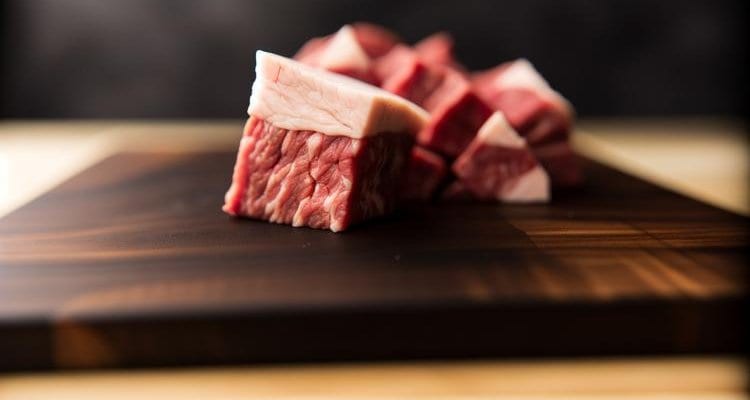
Locate the fat seam running between the point and flat—it’s a distinct layer of white fat that separates the two muscles. Using your sharp knife, follow this seam, cutting through the fat to separate the point from the flat. The point is the thicker, fattier section that sits on top of the flat.
Once separated, cube the point into approximately 1.5-inch pieces. Don’t worry about perfect uniformity—slight variations in size are natural and won’t significantly affect the final product. Trim any large, hard fat chunks from the cubes, but leave the intermuscular marbling intact.
Phase 2: The Burnt Ends Finish (2-3 hours)
This is where the magic happens. Place your cubed brisket point in an aluminum pan. Add your homemade burnt end sauce mixture—a combination of BBQ sauce, melted butter, brown sugar, and optional honey creates that signature sticky-sweet glaze for Kansas City burnt ends. Some pitmasters add a splash of apple juice or beef broth for extra moisture.
For an extra-sticky, deeply caramelized bark, some Kansas City pitmasters swap in a can of cola (Coke or Dr Pepper both work) reduced by half on the stove for part of the liquid — the sugar content builds a glossier glaze than BBQ sauce alone.
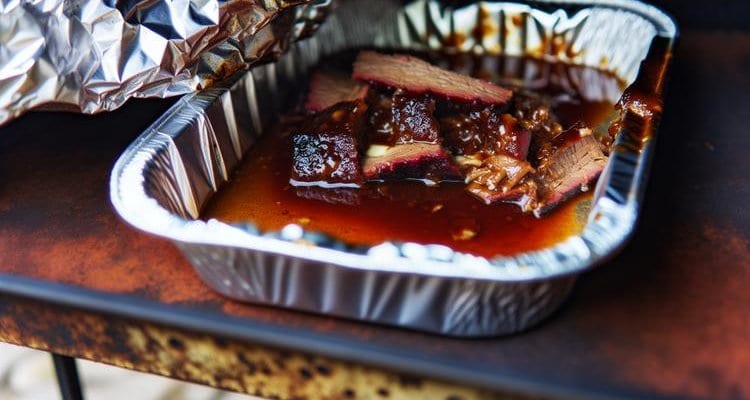
Toss the cubes to coat them completely, then return the pan to your smoker (still at 225-250°F). Cook uncovered for another 2-3 hours, stirring every 45 minutes to ensure even caramelization. The sauce will reduce and thicken, forming that characteristic mahogany glaze while the cubes develop even more bark.
The burnt ends are done when they’re deeply caramelized, glistening with glaze, and have a slight jiggle when you shake the pan. They should be tender enough to cut with a fork but still hold their cube shape.
How Do You Troubleshoot Common Burnt Ends Problems?
Match the texture, bark, or flavor problem to its likely cause and correction:
- Dry burnt ends: This usually comes from overcooking during phase 1 or using a point with insufficient fat. Make sure the brisket reaches proper probe tenderness before cubing, use enough butter and burnt end sauce during the second cook, and add a little more liquid to the pan when needed.
- Not enough bark: Smoke phase 1 unwrapped for longer before wrapping, or skip the wrap if your smoker holds steady temperatures. Use enough rub and allow adequate time for bark formation.
- Burnt or bitter taste: Actual burning rather than caramelization indicates excessive heat or poor airflow. Maintain 225-250°F, burn clean seasoned wood, and avoid using too much wood early in the cook.
- Mushy texture: Too much burnt end sauce or too much time in phase 2 can break down the cubes. Use only enough sauce to coat them and follow the visual doneness cues instead of a strict finish time.
Probe tenderness and the appearance of the glaze are more reliable than the clock when deciding what to correct and when to stop cooking.
What Are the Best Serving Suggestions for Burnt Ends?

Serve your Kansas City burnt ends on a white bread slice with pickles on the side, letting the meat be the star. Drizzle any remaining burnt end sauce from the pan over the top for extra flavor. These smoked burnt ends are also incredible on loaded nachos, in breakfast tacos, over creamy mac and cheese, or as a premium topping for baked potatoes.
For competition-style presentation, stack them in a pyramid on a white serving tray or in the aluminum pan they were finished in. A sprinkle of fresh-chopped parsley or green onions adds visual pop without interfering with the flavor.
How Do You Store and Reheat Burnt Ends?
Burnt ends are best served fresh, but leftovers store well. Cool them to room temperature, then refrigerate in an airtight container for up to 4 days, or freeze for up to 3 months.
To reheat, place burnt ends in an aluminum pan with a splash of beef broth or apple juice, cover with foil, and warm in a 250°F oven for 20-30 minutes. For frozen burnt ends, thaw overnight in the refrigerator before reheating. You can also reheat them in a smoker for 30-45 minutes to refresh the smoke flavor.
Frequently Asked Questions
Do I need to cook a whole brisket to make burnt ends?
No, you can buy just the brisket point (the fattier section) from most butchers. This saves time and is ideal if you only want burnt ends. However, cooking a whole packer brisket gives you both burnt ends from the point and sliced brisket from the flat.
What temperature should I smoke burnt ends at?
Maintain 225-250°F throughout both phases of the cook. This low-and-slow approach allows proper smoke penetration and fat rendering. Going higher can dry out the meat before proper tenderness develops.
How long does it take to make burnt ends?
Plan for 10-15 hours total for a whole packer brisket (8-12 hours initial smoke plus 2-3 hours for the burnt ends finish). If smoking just the point, expect 6-8 hours for phase 1, plus 2-3 hours for phase 2.
Can I make burnt ends from chuck roast?
Yes, chuck roast burnt ends are a popular budget-friendly alternative. While they won’t have the exact same texture as brisket point, chuck roast has good marbling and makes delicious burnt ends. Follow the same two-phase method with similar timing.
Why are my burnt ends dry?
Dry burnt ends usually result from overcooking during the initial smoke or not using enough fat/sauce during the second cook. Make sure your brisket is properly probe-tender (not overcooked) before cubing, and use adequate butter and sauce in phase 2 to keep the cubes moist during the finish.
Which is better, burnt ends or brisket?
They’re actually the same cut cooked differently, so it’s not really a competition. Sliced brisket comes from the leaner flat, while burnt ends come from the fattier point, cubed and given a second cook in sauce and butter. Most pitmasters serve both from the same packer brisket rather than choosing one over the other.
Can I make burnt ends without a smoker?
Yes. A 250°F oven works for both phases: roast the seasoned point uncovered on a wire rack until it hits the same target internal temperature, then cube it and finish in a covered pan with butter, sugar, and sauce exactly as you would in a smoker. You’ll lose some smoke flavor, but a teaspoon of smoked paprika in the rub helps compensate.
Can I make burnt ends with pork instead of beef?
Yes, pork belly is a popular substitute and produces an even richer, candy-like result thanks to its higher fat content. The technique is nearly identical: cube, smoke, braise in butter and sugar, then glaze. See our pork belly burnt ends recipe for the full method.
Competition-Style Brisket Burnt Ends
Equipment
- Smoker or grill with indirect heat capability
- Digital probe thermometer
- Butcher paper or aluminum foil
- Sharp brisket knife
- Aluminum pan (9x13 recommended)
Ingredients
- 1 whole packer brisket 12-16 lbs, or brisket point only (5-7 lbs)
- 0.5 cup beef BBQ rub your favorite
- 1 cup BBQ sauce
- 0.5 cup unsalted butter 1 stick, melted
- 0.5 cup brown sugar
- 0.25 cup honey optional
- 0.25 cup apple juice or beef broth
- oak, hickory, or pecan smoking wood
Instructions
- Trim excess hard fat from the brisket, leaving about 1/4 inch fat cap. Apply a generous coating of beef BBQ rub to all surfaces. Let rest at room temperature for 30 minutes while you prepare the smoker.
- Set up your smoker for 225-250°F using oak, hickory, or pecan wood. Ensure you have enough fuel for a 12+ hour cook.
- Place brisket on smoker grates and smoke at 225-250°F until internal temperature reaches 165-170°F, approximately 5-6 hours. Spritz with apple juice or water every hour after the first 3 hours.
- Wrap brisket in butcher paper or foil. Continue smoking until the brisket point reaches 195-207°F internal temperature and is probe-tender (thermometer slides in easily), approximately 6-8 more hours.
- Remove brisket from smoker and let rest for 15-20 minutes, still wrapped.
- Locate the fat seam between the point and flat muscles. Using a sharp brisket knife, follow this seam to separate the two sections. The point is the thicker, fattier section on top.
- Cut the brisket point into approximately 1.5-inch cubes. Trim any large hard fat chunks but leave the marbling intact.
- In an aluminum pan, combine BBQ sauce, melted butter, brown sugar, honey (if using), and apple juice or beef broth. Mix well.
- Add the cubed brisket to the sauce mixture and toss to coat thoroughly. Return the uncovered pan to the smoker at 225-250°F.
- Smoke for 2-3 hours, stirring every 45 minutes to ensure even caramelization. The burnt ends are done when they're deeply caramelized, glistening with glaze, and tender enough to cut with a fork but still holding their cube shape.
- Serve burnt ends Kansas City style on white bread with pickles on the side, or use as a premium topping for nachos, mac and cheese, or baked potatoes.
Notes
Related BBQ Guides

Smoker Water Pans: Your Guide to Perfect Moisture Control
Find the best smoker water pans for moisture control with our expert guide. We review top models for Weber and Masterbuilt, tested for durability and fit.

Offset Smoker Fire Management for Steady Heat
Learn offset smoker fire management with airflow, damper, coal bed, wood split, and fan controller tips for steady heat and clean smoke at home.

Smoked Ham Hocks: A Step-by-Step Recipe for Rich Flavor
Master this smoked ham hock recipe with our complete step-by-step guide. Learn key brining and smoking techniques for fall-off-the-bone tender results.