
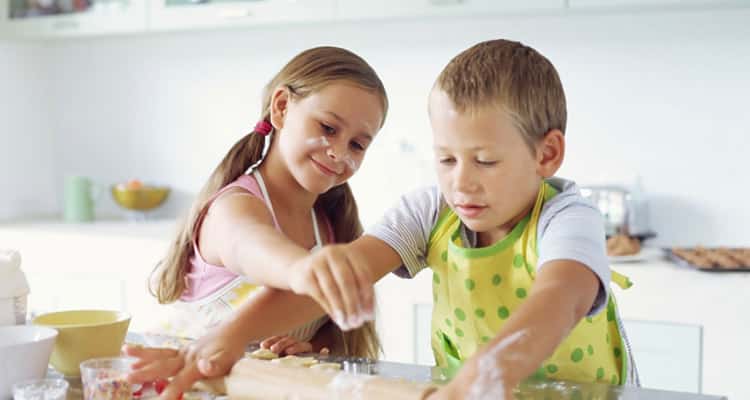
Getting your children involved in the kitchen isn’t just about teaching them to cook – it’s about building life skills, creating family memories, and developing healthy eating habits that can last a lifetime. When kiddos in the kitchen learn to prepare food, they gain confidence and independence while developing an appreciation for different ingredients and cooking techniques. In this guide, we’ll explore age-appropriate cooking activities, safety considerations, and the many benefits of bringing your kids into the culinary world. Whether they’re toddlers just starting to help stir batter or teens ready to prepare entire meals, there’s a place for every child in the kitchen.
Why Get Your Kids in the Kitchen?
Children naturally want to participate in “grown-up” activities, and cooking provides the perfect opportunity for them to do so in a structured, supervised environment. Here are some compelling reasons to invite your kids to join you in the kitchen:
- Practical Life Skills: Learning to cook is an essential skill your kids will use throughout their lives
- Math and Science in Action: Measuring ingredients, observing chemical reactions, and understanding cooking times all reinforce academic concepts
- Nutrition Education: Children who participate in food preparation are more likely to try new foods and develop healthy eating habits
- Quality Time: Cooking together creates opportunities for conversation and connection
- Confidence Building: Successfully creating a meal provides children with a sense of accomplishment
- Cultural Understanding: Preparing traditional family recipes helps pass down heritage and creates meaningful connections to cultural roots
Those benefits reinforce one another: practical participation builds competence while shared meals create space for curiosity, conversation, and connection.
- Cooking class: 57 fun recipes kids will love to make (and eat!) — fun recipes for kids to learn cooking skills
- Let’s cook together!: Fun and tasty recipes to make with your kids! — fun and tasty recipes for cooking with kids
Kitchen Activities by Age Group
Children develop motor skills, coordination, and cognitive abilities at different rates, so use these suggestions as general guidelines while considering your child’s individual capabilities. Always supervise kitchen activities and adjust tasks based on your child’s maturity level.
Toddlers (2-3 years)
Even the youngest kitchen helpers can participate in ways that make them feel included while keeping them safe:
- Washing fruits and vegetables in a colander
- Tearing lettuce or greens for salads
- Breaking cauliflower or broccoli into pieces
- Wiping tabletops with a damp cloth
- Stirring room-temperature ingredients
- Kneading and shaping soft dough
For toddlers, consider investing in a learning tower or kitchen helper stool that safely brings them to counter height and prevents falls.
Preschoolers (4-5 years)
As fine motor skills develop, your child can take on more complex tasks:
- Peeling hard-boiled eggs or oranges
- Mashing bananas or potatoes with a fork
- Cutting soft foods with a kid-safe knife
- Rolling cookie dough and using cookie cutters
- Setting the table
- Spreading butter or soft spreads on bread
Kid-friendly cooking tools are widely available and make these tasks easier and safer for small hands.
Elementary Age (6-9 years)
School-age children can begin using more advanced techniques with proper supervision:
- Measuring ingredients with measuring cups and spoons
- Cracking eggs (with supervision)
- Using a vegetable peeler
- Grating cheese (with supervision)
- Greasing and lining baking pans
- Following simple recipes with guidance
- Using a can opener
This is a great age to introduce Cooking Class: 57 Fun Recipes Kids Will Love to Make (and Eat!), which features step-by-step instructions with photos designed specifically for children ages 6-12. The simple, kid-tested recipes include stickers and recipe cards to make the experience even more engaging.
Tweens and Teens (10+ years)
Older children can begin to develop true cooking independence:
- Slicing and chopping vegetables (with proper knife skills instruction)
- Using the microwave and oven with supervision
- Following recipes independently
- Cooking on the stovetop
- Planning and preparing simple meals
- Learning about food safety and proper food storage
Consider purchasing kid-safe knife sets to help older children develop proper cutting techniques safely.
Kitchen Safety Essentials for Kids
Safety should always be the top priority when children are in the kitchen. Establish these ground rules before getting started:
- Hand Washing: Always wash hands thoroughly before and after handling food
- Adult Supervision: Make clear which tasks require adult help or supervision
- Safe Clothing: Roll up sleeves, tie back hair, and remove loose jewelry
- Heat Safety: Teach proper protocols for handling hot pans, ingredients, and appliances
- Sharp Objects: Demonstrate proper knife handling and storage
- Emergency Procedures: Discuss what to do in case of cuts, burns, or fires
Creating a dedicated kid-friendly kitchen area can help maintain safety while allowing children to feel ownership over their cooking space. Kid-sized aprons also help children feel like professional chefs while keeping their clothes clean.
Strategies for Success
To make cooking with kids a positive experience for everyone involved, try these practical approaches:
Start Simple and Build
Begin with basic recipes that have few ingredients and quick results, then gradually increase complexity as skills develop. No-bake recipes are perfect starting points for young chefs.
Embrace the Mess
Accept that cooking with children will be messier and take longer than doing it yourself. Lay down plastic tablecloths for easy cleanup or conduct messier activities outside when weather permits.
Let Them Make Choices
Involve your kids in selecting recipes, choosing ingredients, and making decisions about flavors or presentation. Ownership increases engagement and enthusiasm.
Practice Patience
Learning new skills takes time, and mistakes will happen. View these as learning opportunities rather than failures, and maintain a positive atmosphere even when things don’t go as planned.
Document Their Journey
Take photos of your children cooking and the dishes they create. This visual record celebrates their growth and accomplishments in the kitchen over time.
Bringing Kids to the Grill
On a BBQ-focused site, it’s worth calling out the grill specifically — outdoor cooking has its own age-appropriate tasks, separate from stovetop and oven work, and it’s a natural next step once a child is comfortable in the kitchen.
Age-Appropriate Grill Tasks
Keep children involved at a level that matches their age, judgment, and experience around heat:
- Young kids under 8: Keep them well back from the grill itself. They can still shape burgers, brush marinade onto skewers before cooking, or arrange vegetables on a tray.
- Older kids and tweens: Under close supervision, they can practice using long-handled tongs, learn to recognize grill-ready coals, or use an instant-read thermometer to check doneness as a hands-on math-and-science task.
- Experienced teens: With an adult present at the grill, they can begin managing a two-zone fire or timing a simple grilled protein.
Increase responsibility gradually, and keep direct grill work supervised even after a child has mastered indoor kitchen tasks.
Raw Meat and Poultry Safety for Kids
Grilling introduces a food-safety lesson that indoor baking mostly does not: preventing cross-contamination from raw meat and poultry. Teach these three habits from the start:
- Separate prep tools: Use dedicated cutting boards and utensils for raw protein.
- Wash hands immediately: Clean hands thoroughly after touching raw meat.
- Do not reuse dirty plates: A plate that held raw chicken or burgers must be washed before it touches cooked food.
Building this routine early gives children a safety habit they can carry into every kitchen where they cook.
Mise en Place Before Kids Start
Before your child steps up to help — at the stovetop, oven, or grill — gather and pre-measure everything they’ll need. Having tools and ingredients staged and ready keeps kids engaged instead of waiting around, and it cuts down on the moments of parental stress that come from hunting for a missing ingredient mid-task with a small helper underfoot.
Grocery Store and Meal-Prep Involvement
Kitchen skills don’t have to start in the kitchen. Let kids help write the grocery list, hunt down ingredients in the store, and put groceries away when you get home. Walking through the full cycle — planning, shopping, cooking, and cleanup — builds a more complete sense of independence than any single cooking task on its own.
Kid-Friendly Recipe Ideas
These simple recipes offer great starting points for young chefs:
Breakfast
- Yogurt parfaits with fruit and granola
- Scrambled eggs or omelets
- Homemade pancakes or waffles
- Fruit smoothies
Lunch & Dinner
- Personal pizzas on English muffins or pita bread
- Build-your-own taco bars
- Pasta with simple sauces
- Sheet pan dinners with minimal prep
Snacks & Desserts
- Energy bites with oats, honey, and nut butter
- Fruit salad with yogurt dip
- No-bake cookies
- Homemade popsicles from fruit juice or smoothie mixtures
For a comprehensive collection of kid-friendly recipes, check out Let’s Cook Together!: Fun and Tasty Recipes to Make With Your Kids! This family-focused cookbook features hundreds of colorful photos and simple instructions perfect for cooking with children of all ages. For additional kid-friendly recipes and activities, visit Nutrition.gov’s Kids in the Kitchen section, which offers extensive resources designed specifically for young chefs.
Best Kitchen Tools for Kids
The right equipment makes cooking with children safer and more enjoyable. Consider these categories when shopping for kid-friendly kitchen tools:
Essential Tools for Young Chefs
- Kid-Safe Knives: Nylon or plastic knives with serrated edges for safe cutting practice
- Child-Sized Utensils: Smaller spatulas, spoons, and whisks designed for little hands
- Non-Slip Mixing Bowls: Bowls with rubber bottoms to prevent tipping and spills
- Measuring Cups & Spoons: Colorful sets help teach math skills while cooking
- Aprons & Oven Mitts: Properly sized protective gear builds confidence
You can find complete cooking sets for kids that include many of these items together in one package. Browse kid cooking tools to find options that fit your child’s age and interests.
Cooking Subscription Services
For families looking for structured cooking experiences, consider subscription services specifically designed for kids. These monthly kits typically include recipes, ingredients, and kitchen activities that make cooking engaging and educational.
Conclusion
Bringing your children into the kitchen offers invaluable opportunities for learning, connection, and creativity. By providing age-appropriate tasks and maintaining a positive, supportive environment, you can help your kids develop cooking skills they’ll use throughout their lives while creating cherished family memories. Remember that the process matters more than the result – even if the cookies are slightly burned or the vegetables aren’t perfectly chopped, your child is gaining confidence, skills, and a deeper appreciation for food with every kitchen experience. Start small, be patient, and watch as your children blossom into capable, enthusiastic young chefs ready to explore the culinary world.
Related BBQ Guides

Grill Trays: Streamline Your BBQ Prep and Serving Process
Looking for the perfect grill tray? We tested top BBQ prep & serving trays to find the most versatile options for outdoor cooking & entertaining.

Smoker Thermometers: Your Guide to Perfect BBQ Temperature
Compare 6 top-rated smoker thermometers with wireless, Bluetooth & multi-probe options. ThermoPro, MEATER & Inkbird tested for accuracy.
Steak Marinade Mastery: Get Tender, Flavorful Results
Master how to marinate steak with our step-by-step guide. Covers timing, best ingredients, cuts, and techniques for maximum flavor and tenderness.