
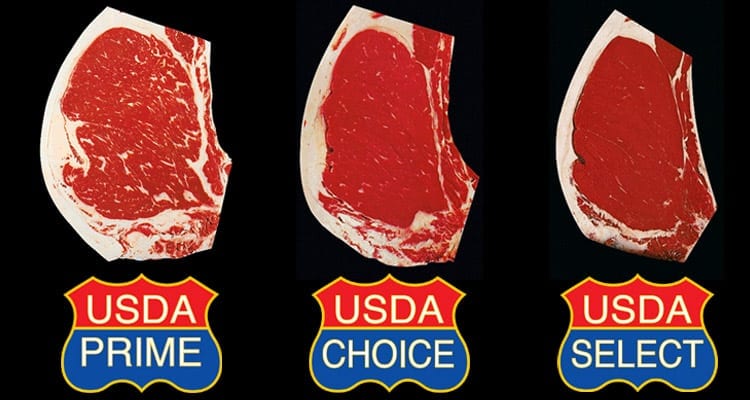
When you’re standing at the meat counter, faced with an array of steaks, roasts, and ground beef, how do you know which cut will give you the juiciest, most flavorful meal? The answer often lies in those small USDA shield-shaped stickers. This guide demystifies the USDA beef grading system, helping you make informed choices for every occasion—whether it’s a weeknight dinner or a special celebration.
What Are the USDA Beef Grades at a Glance?
The USDA recognizes eight quality grades for beef, but most consumers only encounter the top three: Prime, Choice, and Select. Here’s the short version:
- Prime: Highest marbling, best for special-occasion steaks and roasts
- Choice: Strong everyday value with very good tenderness and flavor
- Select: Leaner and more affordable, but benefits from careful cooking
- Standard and below: Used for ground beef, processed products, or budget retail cuts
Quick Comparison: Prime vs Choice vs Select
| Grade | Marbling | % of Graded Beef | Best For | Price | What to Expect |
|---|---|---|---|---|---|
| Prime | Abundant | ~5% | Steaks, rib roasts, high-heat grilling | $$$ | Maximum tenderness, richness, juiciness |
| Choice | Moderate | ~65% | Everyday grilling, roasting, meal prep | $$ | Best balance of quality and value |
| Select | Slight | ~21% | Marinated steaks, braises, stews | $ | Leaner, rewards careful cooking |
| Standard & Below | Minimal | ~9% | Ground beef, processed products | $ | Functional rather than premium |
What Is the History and Purpose of USDA Beef Grading?
The USDA beef grading system has its roots in the early 20th century:
- 1916: The USDA begins grading beef carcasses for informational purposes
- 1926: First official standards for grades of beef are established
- 1927: Voluntary beef grading and stamping services offered nationwide
- 1950s: Grading system revised to its current form
The grading system gives buyers and sellers a consistent way to describe and value beef:
- Common quality language: Standard grades let producers, retailers, and shoppers describe beef quality consistently.
- Clearer buying decisions: The grade helps shoppers compare packages at the meat counter.
- Quality-based pricing: Packers and retailers can price beef according to the characteristics represented by each grade.
- Marketing higher-grade beef: Producers and retailers can identify premium products clearly.
USDA grading is a voluntary, packer-paid service, not a mandatory food-safety inspection. Some excellent local, grass-fed, or small-farm beef is therefore sold ungraded because the producer chose not to pay for grading, not because the meat is necessarily lower quality.
USDA grades also are not directly interchangeable with international systems. Japanese Wagyu uses its own A5 scale and Beef Marbling Score, which can exceed the marbling measured by USDA Prime. Australia’s MSA system predicts eating quality instead of grading on marbling alone.
- Cutluxe slicing knife — for trimming and slicing graded beef cuts
- Henckels steak knives — for slicing higher-grade beef at the table
- Alpha Grillers instant-read thermometer — helps protect expensive steaks from overcooking
- Snake River Farms American Wagyu brisket — understand premium beef grading firsthand
How Is Beef Graded?
USDA grades are determined by highly trained meat graders and are based on two primary factors:
Marbling
The amount and distribution of intramuscular fat within the beef. More marbling generally means more flavor and tenderness. This is the most important factor in determining grade.
Maturity
The approximate age of the animal at slaughter, which affects texture and flavor. Younger animals typically produce more tender beef. Additional factors include firmness of the meat, color and appearance, and texture of the muscle.
Quality grade and yield grade answer different questions, so check which one a label or specification is describing:
| Grade Type | What It Measures | Who Uses It Most |
|---|---|---|
| Quality grade | Expected tenderness, juiciness, and flavor based largely on marbling and maturity. | Everyday shoppers comparing eating quality. |
| Yield grade | Cutability: the amount of usable, trimmed meat relative to carcass weight, rated 1 through 5. | Processors and bulk buyers evaluating saleable yield. |
A carcass can carry both grades at once. For grocery shopping, quality grade is usually the more useful signal because yield grade does not describe flavor or tenderness.
The Grading Process
The beef carcass is split down the center of the backbone, exposing the ribeye muscle between the 12th and 13th ribs. A USDA grader visually inspects the ribeye area, which is considered representative of the entire carcass. Based on the combination of marbling and maturity, a grade is assigned and stamped on the carcass.
USDA Prime Beef
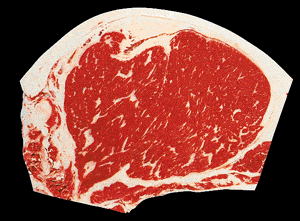
USDA Prime is the highest grade of beef, known for its exceptional tenderness, flavor, and juiciness. Only about 5% of graded beef qualifies as Prime, making it a premium product.
Characteristics
- Abundant marbling evenly distributed throughout the meat
- Typically from young, well-fed beef cattle
- Limited supply due to strict quality requirements
Best Cooking Methods
Prime beef is ideal for dry-heat cooking methods: grilling, roasting, broiling, and pan-searing. The abundant marbling keeps the meat moist even at high temperatures.
Where to Find It
High-end restaurants, specialty butcher shops, and some premium grocery stores. Many retailers also offer online ordering for Prime beef.
USDA Choice Beef
USDA Choice is high-quality beef with less marbling than Prime, but still offers excellent tenderness, juiciness, and flavor. About 65% of graded beef qualifies as Choice, making it the most common grade at retail.

Characteristics
- Moderate to modest marbling
- Most popular grade of beef
- Widely available and competitively priced
Best Cooking Methods
Dry-heat cooking works well for high-quality cuts like loin and rib. Less tender cuts benefit from moist-heat methods like braising. Choice is versatile enough for nearly any cooking application.
Where to Find It
Most supermarkets, butcher shops, and many restaurants. This is the grade you’ll most commonly encounter when shopping for beef.
USDA Select Beef
USDA Select is leaner beef with less marbling, offering a balance between quality and leanness while still being fairly tender. About 21% of graded beef qualifies as Select.

Characteristics
- Slight marbling
- Leaner than Prime or Choice
- Good option for health-conscious consumers
Best Cooking Methods
Select beef benefits from marinating before cooking and works best with moist-heat cooking methods like braising and stewing. It can dry out with high-heat methods, so careful temperature monitoring is important.
Where to Find It
Many supermarkets and some restaurants, especially those focusing on leaner options. Generally the most affordable of the top three grades.

Are There USDA Beef Grades Below Select?
While consumers rarely encounter beef graded below Select in retail settings, the USDA recognizes five additional grades:
- Standard and Commercial: Lower quality than Select with minimal marbling. Often sold as ungraded “store brand” beef or used for ground beef.
- Utility, Cutter, and Canner: The lowest grades, typically from older animals. Used primarily for ground beef, processed meat products, and pet food.
Note that ground beef at the retail counter is usually labeled by lean-to-fat ratio (like 80/20 or 93/7) rather than by USDA quality grade — that percentage tells you the proportion of lean meat to fat, which matters more for ground beef’s cooking behavior than which quality grade it was trimmed from.
What Are the Best Cooking Methods by Grade?
| Cooking Method | Prime | Choice | Select |
|---|---|---|---|
| Grilling (high heat) | ✓ Excellent | ✓ Very Good | ⚠ With care |
| Pan-searing | ✓ Excellent | ✓ Very Good | ⚠ With care |
| Roasting | ✓ Excellent | ✓ Very Good | ✓ Good |
| Reverse sear | ✓ Excellent | ✓ Excellent | ✓ Very Good |
| Sous vide | ✓ Excellent | ✓ Excellent | ✓ Excellent |
| Braising | ✓ Good | ✓ Very Good | ✓ Excellent |
| Stewing | ✓ Good | ✓ Very Good | ✓ Excellent |
What Factors Matter Beyond USDA Grades?
While USDA grades are a crucial indicator of beef quality, several other factors influence taste, texture, and overall eating experience.
Cattle Breed
Different cattle breeds produce beef with varying characteristics. Angus is known for consistent marbling and tenderness. Wagyu is prized for exceptional marbling and flavor. Hereford is noted for its robust beefy flavor.
Feed and Raising Practices
- Grass-fed: Often leaner with a distinct, earthy flavor profile
- Grain-finished: Typically more marbled and tender
- Organic: Must meet USDA organic standards for feed and raising practices
Aging Process
- Wet-aging: Most common method—beef is aged in vacuum-sealed bags. Improves tenderness while maintaining moisture.
- Dry-aging: Results in more concentrated, nutty flavor but is more expensive. Can make Choice beef taste closer to Prime.
How Do You Choose the Best Beef?
Match Grade to Cooking Method
For grilling and high-heat cooking, opt for Prime or high-Choice grades. For slow-cooking methods, Select or lower-Choice grades work well and offer better value.
Visual Inspection
Look for beef with a bright cherry-red color. Avoid beef with brown spots, which may indicate age or improper storage. The meat should be firm to the touch, not soft or mushy.
Consider Marbling
For maximum flavor and juiciness, choose cuts with more visible white streaks of fat distributed throughout the meat. If you prefer leaner beef, opt for cuts with less marbling.
Read Labels Carefully
Look for the USDA grade shield. Check for additional certifications like organic, grass-fed, or breed-specific labels like Certified Angus Beef.
Balance Quality and Budget
Prime beef offers top quality but at a premium price. Choice beef often provides an excellent balance of quality and affordability. Don’t hesitate to ask your butcher questions about origin, age, and best cooking methods.
Frequently Asked Questions
What’s the difference between USDA Prime and Choice beef?
USDA Prime beef has more abundant marbling than Choice, resulting in greater tenderness, juiciness, and flavor. Prime is ideal for high-heat cooking methods, while Choice offers excellent quality at a more moderate price point.
Can I find USDA Prime beef at my local grocery store?
While USDA Prime is less common than Choice or Select, some grocery stores do carry it. You’re more likely to find Prime beef at specialty butcher shops or high-end grocery stores. Many retailers also offer online ordering for Prime beef.
Is USDA Select beef low quality?
No, USDA Select is not low quality—it’s leaner than Prime or Choice, making it a good option for those seeking less fat in their diet. However, it may require different cooking methods to ensure tenderness, such as marinating or using moist-heat cooking techniques.
Are there grades lower than USDA Select?
Yes, there are five grades below Select: Standard, Commercial, Utility, Cutter, and Canner. These lower grades are rarely sold at retail and are often used in processed meat products or as ground beef.
How does dry-aging affect USDA beef grades?
Dry-aging can enhance the flavor and tenderness of beef, but it doesn’t change the USDA grade. The grade is assigned based on the characteristics of the beef before the aging process begins. Dry-aging can, however, make a Choice grade steak taste more like Prime.
Is Wagyu beef graded differently?
Wagyu beef produced in the United States is graded using the USDA system. However, Japanese Wagyu has its own grading system that considers marbling, meat color and brightness, firmness and texture, and fat color, luster, and quality.
How do grass-fed and grain-fed beef compare in USDA grading?
Grass-fed beef tends to be leaner and may not achieve as high a grade as grain-fed beef. However, many consumers prefer grass-fed beef for its flavor profile and potential health benefits, regardless of its USDA grade.
Does the USDA grade affect the nutritional value of beef?
Higher grades like Prime and Choice generally have more fat content due to increased marbling. This affects calorie count and fat intake. Select grade beef is typically leaner and lower in calories.
Can beef be regraded?
Once a carcass is graded, that grade stays with the beef through processing and packaging. Beef cannot be regraded, even if it’s aged or processed further.
Are all beef products graded?
No, USDA grading is a voluntary service that producers and processors pay for. Some beef products, particularly those used for ground beef or processed meats, may not be graded at all.
Conclusion
Understanding USDA beef grades empowers you to make informed decisions when purchasing beef. Whether you’re splurging on a Prime ribeye for a special occasion, selecting Choice for your weekly meal prep, or opting for a lean Select cut for a health-conscious dish, knowing what these grades mean ensures you’re getting the quality you expect. While grades are important, factors like proper cooking techniques, personal preference, and the specific cut of beef also play crucial roles in your eating experience. By combining an understanding of USDA grades with knowledge of cooking methods and cattle raising practices, you’ll be well-equipped to select the perfect beef for any occasion.
Related BBQ Guides
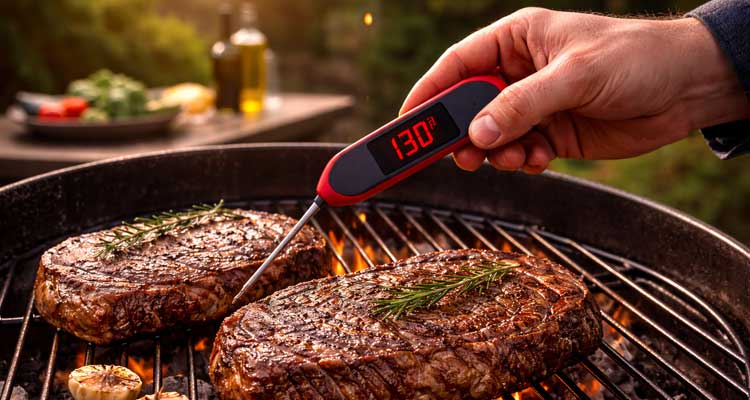
Instant Read Meat Thermometers: Your Grilling Precision Guide
Discover our top 7 instant read meat thermometers tested for grilling. Compare speed, accuracy & durability with expert ratings & NIST data.

Perfect Brisket Smoke Rings: Master the Science
Get a perfect smoke ring on brisket every time. Learn the chemistry, technique & temperature control for that signature pink band.
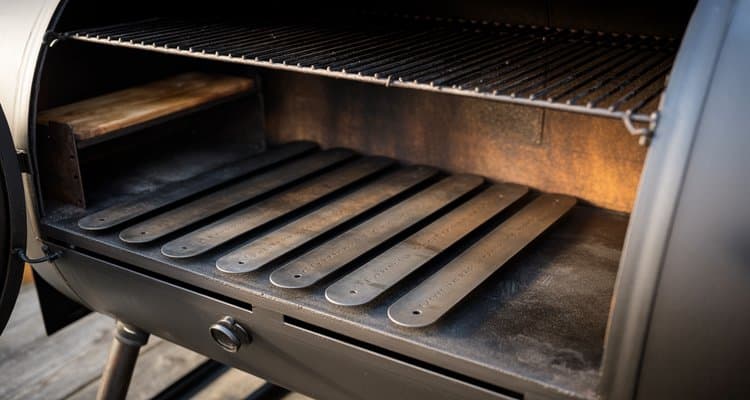
Offset Smoker Baffle Plates: Even Heat Distribution
Eliminate hot spots with our top baffle plates & firebox baskets. Expert-tested heat deflectors for even cooking across your offset smoker.