
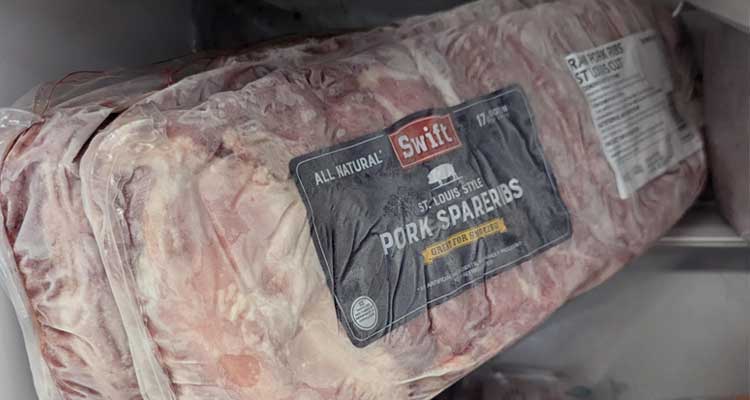
Nothing beats sinking your teeth into a tender, juicy rack of ribs. But what if you can’t finish them all in one sitting? Knowing how long ribs are good in the fridge is crucial for food safety and getting the most out of your barbecue. In this comprehensive guide, we’ll cover everything you need to know about storing both raw and cooked ribs, including beef and pork varieties. From storage duration and best practices to identifying spoilage and creative ways to use leftovers, we’ve got you covered.
Understanding Food Storage Basics
Before diving into the specifics of rib storage, it’s essential to understand some fundamental principles of food storage:
- Temperature Control: The “danger zone” for food is between 40°F and 140°F (4°C and 60°C). Bacteria multiply rapidly in this range, so it’s crucial to keep food out of this zone as much as possible. If you’re serving ribs at a party or event rather than eating them right away, hold them above 140°F rather than leaving them at room temperature — a warm oven set to around 200°F, a slow cooker on the “warm” setting, or an insulated cooler lined with towels can all keep ribs safely above the danger zone for a couple of hours of serving time.
- Cross-Contamination: Always store raw meats separately from cooked foods and ready-to-eat items to prevent the spread of bacteria.
- Airtight Storage: Proper packaging helps prevent exposure to air and other contaminants, extending the shelf life of your food.
- First In, First Out (FIFO): Use older items first to ensure nothing goes to waste.
With these principles in mind, let’s explore how they apply specifically to storing ribs.
- Gasbye vacuum sealer — removes air before freezing raw or cooked ribs
- WIKWIK vacuum sealer bags — portioning rib racks or leftovers for safe freezer storage
- Forest Breathing freezer containers — for freezing sauced ribs and various leftovers
How Long Do Raw Ribs Last in the Fridge?
When it comes to storing raw ribs, proper handling is key to maintaining freshness and preventing foodborne illness. Here’s what you need to know about keeping your uncooked ribs safe:
Beef Ribs Storage Duration
Fresh, uncooked beef ribs can be safely stored in the refrigerator for 3 to 5 days. Always check the expiration date and keep the ribs at a temperature below 40°F (4°C) to ensure optimal freshness.
Pork Ribs Storage Duration
Similarly, raw pork ribs can be refrigerated for 3 to 5 days. As with beef ribs, pay attention to the expiration date and maintain a consistent temperature below 40°F (4°C) for the best results.

Tips for Storing Uncooked Ribs
To maximize the shelf life of your raw ribs, follow these simple tips:
- Keep the ribs in their original packaging or wrap them tightly in plastic wrap or aluminum foil to minimize air exposure.
- Place the ribs on a tray or in a container to catch any potential leaks.
- Store the ribs on the bottom shelf of the refrigerator to prevent cross-contamination with other foods.
- If you need to store the ribs for longer than 5 days, consider freezing them for extended preservation.
How Long Are Cooked Ribs Good in the Fridge?
After enjoying a delicious barbecue, you might find yourself with leftover ribs. Here’s what you need to know about storing cooked ribs:
Cooked Ribs Storage Duration
Properly stored cooked ribs can last 3 to 4 days in the refrigerator. To ensure the best taste and quality, consume leftovers within this timeframe. Remember to maintain a consistent temperature of 40°F (4°C) or below in your fridge. This applies to smoked ribs too — smoking is a low-and-slow cooking method here, not a preservation cure like traditional smoked/cured meats, so smoked ribs don’t get any extra shelf life over ribs cooked any other way. Treat smoked ribs exactly like any other cooked ribs: 3 to 4 days refrigerated, 2 to 3 months frozen.
Storing Leftover Ribs
To properly store cooked ribs, follow these steps:
- Allow the cooked ribs to cool to room temperature, but don’t leave them out for more than 2 hours.
- Wrap the ribs tightly in aluminum foil or plastic wrap, or place them in an airtight container to prevent drying out and protect them from contaminants.
- Store the ribs on a middle or top shelf in the refrigerator, away from raw meats to avoid cross-contamination.

How Can You Tell if Ribs Have Gone Bad?
Knowing how to identify spoiled ribs is crucial for food safety. Here are some signs to look out for in both raw and cooked ribs:
Signs of Spoilage in Raw Ribs
- Unpleasant or sour odor: If your ribs emit a strong, off-putting smell, they are likely spoiled.
- Slimy or sticky texture: When touched, spoiled ribs may have a slimy or sticky surface.
- Discoloration: If the color of the ribs has changed to a greenish or brownish hue, it’s a sign of spoilage.
- Expiration date: Always check the expiration date on the packaging, and avoid consuming ribs past this date.
Signs of Spoilage in Cooked Ribs
- Off-putting smell: A rancid, sour, or unusual odor is a strong indicator of spoilage.
- Mold: If you notice any mold growth on the ribs, discard them immediately.
- Slimy texture: Cooked ribs that have become slimy to the touch are likely spoiled.
- Change in taste: If the ribs taste sour or off, they are unsafe to eat.
How Can You Extend the Shelf Life of Ribs?
To get the most out of your ribs and minimize waste, consider these methods for extending their shelf life:
Vacuum Sealing Benefits for Rib Storage
Vacuum sealing offers several advantages when it comes to storing ribs:
- Extended shelf life: Vacuum sealing removes air, slowing the oxidation process and preserving the quality of the ribs for a longer period.
- Prevention of freezer burn: By sealing the ribs in an airtight package, vacuum sealing helps prevent freezer burn and maintains the texture and flavor of the meat.
- Space-saving storage: Vacuum-sealed ribs take up less space in the freezer, making it more efficient for storage.
Freezing and Thawing Ribs Safely
Follow these steps to freeze and thaw ribs safely:
- Freeze raw or cooked ribs by vacuum sealing or wrapping them tightly in plastic wrap or aluminum foil, then placing them in a freezer-safe bag or container.
- If you’re meal-prepping, it’s fine to apply a dry rub to raw ribs before freezing — the salt and seasoning won’t cause any food-safety issue over a normal freezer storage window. Salt-forward rubs can draw out a small amount of moisture over several months in the freezer, so for the best texture, use rubs applied shortly before freezing rather than ribs that already sat in a wet marinade for days beforehand.
- Label the package with the date and type of ribs to keep track of their storage duration.
- To thaw ribs, transfer them to the refrigerator and allow them to thaw slowly (this may take 24 hours or more, depending on the size of the ribs).
- Once thawed, cook the ribs promptly or store them in the refrigerator for up to 3 to 5 days (raw ribs) or 3 to 4 days (cooked ribs) before consumption.
Duration of Frozen Ribs Storage
When properly frozen and stored, raw beef and pork ribs can last for 4 to 6 months in the freezer without losing significant quality. Cooked ribs can be stored in the freezer for 2 to 3 months. However, it’s always best to consume frozen ribs within the shortest possible time for optimal flavor and texture.
Can You Safely Cook Ribs a Day Ahead?
Yes — and it’s actually the safer approach compared to the alternative many people try instead. Fully cook the ribs all the way through to a safe internal temperature (145°F for whole cuts, though most rib recipes target well above that for tenderness), then cool and refrigerate them completely within 2 hours of finishing the cook. The next day, reheat the fully-cooked ribs to 165°F using any of the methods described later in this guide.
What you should never do is partially cook ribs, refrigerate them undercooked, and plan to finish cooking them the next day. The USDA specifically warns against this practice: partial cooking allows the meat to spend time in the temperature danger zone without reaching a temperature high enough to kill bacteria, and refrigerating it in that state doesn’t reverse the risk — any bacteria that started multiplying during the first, incomplete cook can survive refrigeration and continue posing a risk even after the ribs are finished the next day. Always cook ribs completely in one session, then chill, store, and reheat from there.
Risks of Eating Spoiled Ribs
Consuming spoiled ribs can lead to food poisoning, which may cause mild to severe symptoms depending on the individual and the type of bacteria present. Rotten meat can harbor pathogens such as Salmonella, E. coli, and Listeria, posing a serious risk to one’s health.
Food Poisoning Symptoms and Causes
Food poisoning can manifest in various symptoms, usually within a few hours to a few days after consuming contaminated food. Common symptoms include:
- Nausea
- Vomiting
- Diarrhea
- Abdominal pain or cramps
- Fever
- Fatigue
In severe cases, food poisoning can lead to dehydration, electrolyte imbalances, and even hospitalization. To minimize the risk of food poisoning, follow proper food handling and storage guidelines, cook ribs to a safe internal temperature, and discard any leftovers showing signs of spoilage.
Reheating Leftover Ribs
Properly reheating leftover ribs is crucial for both safety and taste. Here are some methods to reheat your ribs while maintaining their flavor and texture:
Oven Method
- Preheat your oven to 250°F (121°C).
- Wrap the ribs in aluminum foil, adding a little barbecue sauce or broth to keep them moist.
- Place the wrapped ribs on a baking sheet.
- Heat for about 20-30 minutes, or until the internal temperature reaches 165°F (74°C).
Grill Method
- Preheat your grill to medium heat.
- Wrap the ribs in aluminum foil with a little added moisture (sauce or broth).
- Place the foil-wrapped ribs on the grill and heat for 10-15 minutes, turning occasionally.
- Unwrap the ribs and place them directly on the grill for a final 2-3 minutes to crisp up the exterior.
Microwave Method (Quick Option)
- Place the ribs in a microwave-safe dish with a little added moisture.
- Cover the dish with a microwave-safe lid or plastic wrap.
- Microwave on medium power for 2-3 minutes, checking and rotating halfway through.
- Let the ribs rest for a minute before serving.
Remember, regardless of the method you choose, always ensure the internal temperature of the ribs reaches 165°F (74°C) to guarantee food safety.
Creative Ways to Use Leftover Ribs
Don’t let those delicious leftover ribs go to waste! Here are some creative ideas to repurpose your leftover ribs:
- Rib Tacos: Shred the meat and use it as a filling for tacos with your favorite toppings.
- Rib Fried Rice: Chop the rib meat and add it to fried rice for a smoky, meaty twist.
- BBQ Rib Pizza: Use shredded rib meat as a pizza topping along with barbecue sauce and cheese.
- Rib Sandwich: Slice the meat and pile it on a bun with coleslaw for a tasty sandwich.
- Rib Nachos: Top tortilla chips with chopped rib meat, cheese, and your favorite nacho toppings.
- Rib Quesadillas: Fill tortillas with rib meat and cheese for a quick and delicious meal.
- Rib Soup: Add chopped rib meat to your favorite vegetable soup for extra flavor and protein.
These ideas not only help reduce food waste but also allow you to enjoy your ribs in new and exciting ways.
Frequently Asked Questions
How long can beef ribs stay in the fridge after thawing?
Can I eat 10-day-old ribs?
How long are rib leftovers good for?
How do you store leftover ribs?
How long does raw pork last in the fridge?
Can you eat leftover ribs cold?
How long can pork ribs stay in the fridge vacuum sealed?
Should you leave ribs uncovered in the fridge?
Can you freeze cooked ribs?
How long can ribs sit out at room temperature?
Can ribs stay in the fridge for a week?
Conclusion
Proper storage of raw and cooked ribs is crucial for maintaining their taste, quality, and safety. By following the guidelines outlined in this article, you can ensure that your ribs stay fresh and safe to eat. Remember to store raw and cooked ribs separately, check for signs of spoilage before consumption, and adhere to the recommended storage durations. Whether you’re storing raw ribs for your next BBQ or figuring out how to make the most of your leftovers, these tips will help you maximize the shelf life of your ribs while minimizing the risk of food poisoning. With proper storage techniques and a bit of creativity, you can enjoy delicious, safe ribs for days after your initial barbecue. Happy grilling, and enjoy your perfectly stored ribs!
Related BBQ Guides
Pulled Ham Recipe: Sweet & Savory Holiday Perfection
Transform ham into tender, flavorful pulled meat! Our easy recipe features melt-in-your-mouth texture with sweet glaze. Perfect for holidays.

Resting Brisket Explained: How Long and Why It Matters
Learn how long to rest brisket to lock in moisture and maximize tenderness. Expert guidance on rest times, the hot-hold method, and the science behind it.
Best Traeger Accessories for Perfect BBQ Results
Discover the 5 essential Traeger accessories including prep shelves, covers, drip liners and hopper upgrades. Expert-tested for Pro and Ironwood models.