
Elevate Your Grilling with Pomegranate Power
PAMA Liqueur Glazed Beef Skewers combine flank steak, jerk sauce, and pomegranate liqueur in an appetizer or main course with a sweet-tart finish. The recipe builds flavor in three ways:
- Marinade: PAMA adds fruit and acidity while the jerk sauce supplies spice.
- Finishing glaze: A second portion of liqueur reduces to a syrupy consistency that caramelizes on the grill.
- Fast presentation: The skewered format cooks quickly and portions cleanly for a party or plated meal.
At 17% alcohol, PAMA is used for reduction rather than flambéing; most of the alcohol cooks off while the concentrated pomegranate flavor remains. This two-stage marinade-and-glaze approach gives the beef layered flavor without building a separate sauce.
- Grill Armor extra-long heat-resistant gloves — protect your hands while turning skewers and working over the hot grill
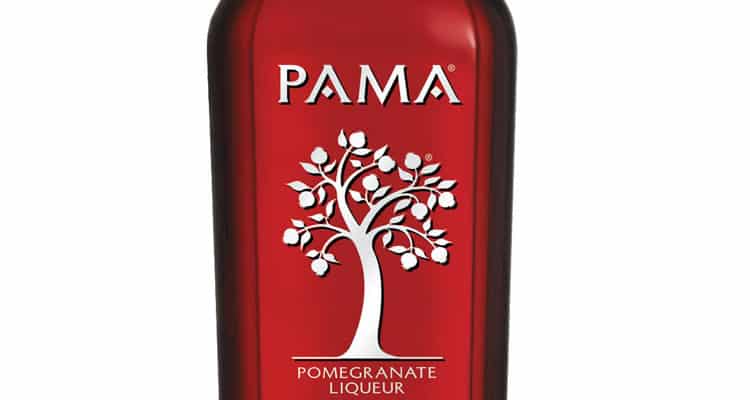
The Magic of PAMA Pomegranate Liqueur
PAMA’s ruby color and sweet-tart pomegranate profile complement rich beef more directly than an artificial grenadine syrup. During preparation, it serves three distinct roles:
- In the marinade, its acidity supports tenderness and carries fruit flavor into the flank steak.
- During reduction, water and alcohol cook away as the liquid becomes a concentrated glaze.
- On the grill, the glaze’s sugars caramelize into a glossy coating.
Using the liqueur in both the marinade and glaze creates depth while making efficient use of a specialty ingredient.
Perfect Pairings and Serving Suggestions
Build the plate and drink pairing around the glaze’s sweet-tart character:
- For appetizers: Serve on small plates with pomegranate seeds and fresh herbs.
- For a main course: Add couscous or rice pilaf to absorb extra glaze, plus a crisp citrus-accented salad.
- For drinks: Pair with a Pomegranate Martini or PAMA Spritz, a fruity red such as Zinfandel or Syrah, or sparkling water with pomegranate juice and lime.
Keep the accompaniments fresh and lightly seasoned so the pomegranate glaze remains the focal point.
Tips for Grilling Success
Mastering the Marinade
For even contact and flavor:
- Marinate overnight for maximum penetration, or for at least a few hours when time is limited.
- Use a zip-top bag and press out as much air as possible before sealing.
- Turn the bag as needed so every surface remains coated.
Skewer Strategy
Set up the skewers for even cooking and easy turning:
- Cut and thread the flank steak at a consistent thickness.
- Soak wooden skewers for at least 30 minutes, or overnight in the refrigerator beside the marinating meat.
- Use two skewers per portion when you want the meat to stay aligned as it flips.
Perfect Glazing
Reduce and apply the glaze in three stages:
- Cook over medium-low heat, stirring occasionally to prevent burning.
- Stop when the glaze coats a spoon and a finger drawn through it leaves a clear path.
- Brush it on during the final minute of grilling, then add another layer immediately after the skewers leave the heat.
Late glazing creates the glossy surface without exposing the concentrated sugars to prolonged direct heat.
Technique Notes and Comparisons
Why You Can’t Flambé with PAMA
If you’re picturing a dramatic tableside flambé with these skewers, know that PAMA won’t get you there on its own. At around 17% ABV, it’s too low-proof to ignite reliably — flambéing generally needs a spirit closer to 40% ABV to sustain a flame. PAMA works beautifully as a glaze precisely because it’s meant to reduce and caramelize on the grill, not burn off in a fireball.
Use Anti-Spin Skewers for Even Cooking
Flat or V-profile metal skewers (rather than thin round ones) keep the meat from spinning loosely when you turn them on the grill. A thicker, roughly 1.2mm flat skewer grips the meat as you rotate it, so every piece actually turns with the skewer instead of lagging behind and cooking unevenly on one side.
The Maillard Reaction Behind the Glaze
The deep brown color and complex flavor that develop as the PAMA glaze cooks onto the beef come from the Maillard reaction — the same high-heat browning reaction responsible for a seared steak‘s crust. The sugars in the reduced liqueur accelerate that browning and help form a flavorful, slightly sticky exterior that also helps seal in the meat’s juices.
How These Compare to Theme Park-Style Skewers
If you’ve had the sweet-and-spicy grilled beef skewers served at Disneyland’s Bengal Barbecue, this recipe scratches a similar itch — a glossy, sweet-savory glaze over grilled beef on a stick. PAMA’s tart pomegranate edge gives these skewers a more fruit-forward profile than a typical sweet-and-spicy theme-park glaze, while still delivering that same glossy, caramelized exterior.
Frequently Asked Questions
Can I substitute another liqueur for PAMA?
While PAMA creates the distinctive flavor profile of this dish, you could substitute another fruit liqueur like Chambord (raspberry) or Cassis (black currant) for a different but equally delicious result. Non-alcoholic alternatives include pomegranate molasses mixed with a bit of honey and water.
What can I use instead of jerk sauce?
If jerk sauce isn’t available, a blend of soy sauce, brown sugar, allspice, thyme, garlic, and a touch of hot sauce can create a similar flavor profile. Teriyaki sauce with added hot pepper would also work well with the pomegranate flavors.
How do I know when the skewers are properly cooked?
Flank steak is best served medium-rare to medium for maximum tenderness. For medium-rare, cook until the internal temperature reaches 130-135°F (54-57°C). Remember that the meat will continue cooking slightly after removal from the grill, so err on the side of less cooking time.
Can these skewers be prepared in advance?
You can marinate the meat and prepare the skewers up to 24 hours in advance. The glaze can also be prepared ahead and gently reheated before serving. For best results, however, grill the skewers just before serving to ensure they remain juicy and have that freshly-grilled flavor.
What other cuts of beef work well for this recipe?
If flank steak isn’t available, sirloin, ribeye, or strip steak cut into strips all work well. For a more economical option, chuck steak can be used but may require longer marinating time to ensure tenderness.
Related BBQ Guides

Transform Your Turkey Game: Big Easy Fryer for Healthier, Crispier Results
Discover the Char-Broil Big Easy Oil-Less Fryer, a safer alternative to traditional deep fryers that delivers juicy meat with crispy skin using infrared technology.

The Ultimate Guide to the Best Smokers for Brisket
Find the best smoker for brisket with reliable 225-275°F temperature control and capacity for 12-20 lb packers. Tested Weber, Masterbuilt, Pit Boss, Pit Barrel and

Master Steak Perfection: 4 Techniques for BBQ Doneness Excellence
Master the art of perfectly cooked steak with our guide on how to tell when your steak is done. Learn 4 foolproof methods for ideal doneness every time.