
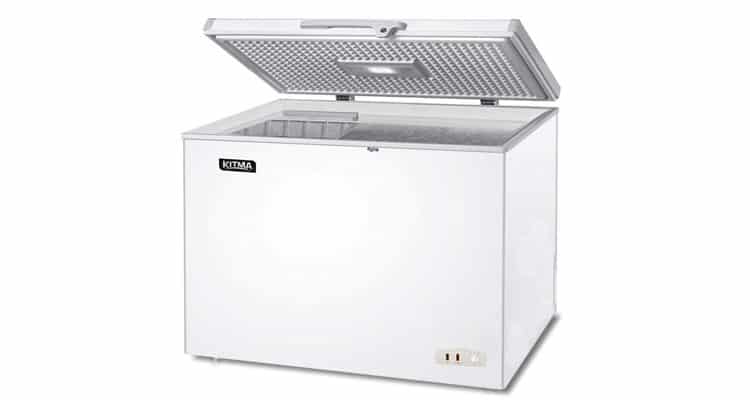
Freezing meat is an excellent strategy for budget-conscious shoppers and meal preppers alike. Whether you’ve stocked up during a great sale or you’re trying to minimize food waste, understanding how long different types of meat can safely stay in the freezer is essential knowledge for any home cook or BBQ enthusiast. In this comprehensive guide, we’ll explore everything you need to know about freezing meat, from storage times to best practices for maintaining quality.
Does Frozen Meat Ever “Go Bad”?
When properly stored at 0°F (-18°C) or below, frozen meat remains safe to eat indefinitely. The USDA confirms that freezing at these temperatures prevents the growth of microorganisms like bacteria, yeasts, and molds that cause food spoilage and foodborne illness. However, just because frozen meat stays technically safe doesn’t mean it will taste good forever.
The real concern with long-term frozen storage isn’t safety but quality. Over time, frozen meat can develop freezer burn, which affects texture, flavor, and overall enjoyment. Freezer burn occurs when air reaches the meat’s surface, causing moisture to evaporate and creating dry, discolored patches.
Signs of freezer burn include:
- Ice crystals on the meat surface
- Grayish-brown discolored spots
- Dry, leathery texture in affected areas
While freezer-burned meat remains safe to eat, the affected portions may be unpleasantly dry and flavorless. Note that color change alone isn’t automatically a bad sign: red meat can turn brown or grayish in the freezer purely from oxidation — a lack of oxygen contact — without any freezer burn or spoilage involved. Judge quality by texture and smell after thawing, not color alone, or you may end up throwing out perfectly safe meat. You can cut away freezer-burned areas before or after cooking, though heavily affected pieces might be better discarded.
- Vacuum sealer with starter bags — helps limit air exposure around raw cuts
- FoodSaver V4840 2-in-1 Vacuum Sealing System — Automatic bag detection, handheld sealer, and built-in bag cutter for convenience
- VacMaster VP220 Chamber Vacuum Sealer — Professional-grade chamber vacuum sealer ideal for liquids, marinades, and bulk freezing
- Avid Armor A100 Vacuum Sealer Machine — Heavy-duty construction with extra-wide 12″ sealing bar and pulse mode for delicate foods
How Long Do Different Meats Last in the Freezer?
For optimal quality, here’s how long you can keep various meats in the freezer:
Beef, Veal, and Lamb
- Steaks and roasts: 6 to 12 months
- Ground beef: 3 to 4 months
- Cooked beef: 2 to 3 months
Beef typically maintains its quality longer than most meats, especially when stored as larger cuts. Whole roasts and steaks can remain in excellent condition for up to a year when properly wrapped, while ground beef has a shorter freezer life due to its increased surface area.
Pork
- Chops: 4 to 6 months
- Roasts: 4 to 12 months
- Ground pork: 3 to 4 months
- Bacon and sausage: 1 to 2 months
- Ham (uncooked): 6 months
- Ham (cooked): 1 to 2 months
Pork products generally have shorter recommended freezer times than beef, with processed pork products like bacon and sausage having the shortest shelf life. The higher fat content in these products makes them more prone to rancidity when stored for extended periods.
Poultry
- Whole chicken or turkey: 12 months
- Chicken or turkey pieces: 9 months
- Ground poultry: 3 to 4 months
- Chicken nuggets/patties: 1 to 3 months
- Cooked poultry: 4 months
Whole birds maintain their quality longer than cut pieces, while ground poultry has the shortest freezer life. The difference in storage times relates to the amount of surface area exposed to air, which can lead to freezer burn.
Game Meats
- Venison and elk steaks or roasts: 8 to 12 months
- Ground venison or elk: 3 to 4 months
Wild game meats generally follow similar guidelines to beef, though their naturally leaner composition can sometimes lead to quicker drying in the freezer.
Organ Meats
- Liver, kidney, and other offal: 3 to 4 months
Organ meats decline in quality noticeably faster than standard muscle cuts because of their higher fat and enzyme content. If you’re stocking up on liver or kidney for pate, gravy, or offal-forward recipes, plan to use it within that shorter window rather than treating it like a standard roast.
Fish and Seafood
- Lean fish (cod, flounder, etc.): 6 to 8 months
- Fatty fish (salmon, tuna, etc.): 2 to 3 months
- Shrimp and scallops: 3 to 6 months
- Cooked seafood: 1 to 3 months
Seafood is particularly sensitive to long-term freezing, with fatty fish varieties showing the shortest optimal storage times due to their higher oil content, which can develop off-flavors when stored too long.
Processed and Cooked Meats
- Hot dogs: 1 to 2 months
- Lunch meats: 1 to 2 months
- Leftover cooked meats: 2 to 3 months
- Cooked dishes containing meat: 2 to 3 months
Processed and cooked meats generally have shorter freezer lives than their raw counterparts, as they’ve already undergone structural changes during processing or cooking that can be further compromised during freezing.
Meat Freezer Storage Time Comparison
| Type of Meat | Raw/Uncooked | Cooked |
|---|---|---|
| Beef (Steaks, Roasts) | 6 to 12 months | 2 to 3 months |
| Ground Beef | 3 to 4 months | 2 to 3 months |
| Pork Chops | 4 to 6 months | 2 to 3 months |
| Bacon & Sausage | 1 to 2 months | 1 month |
| Whole Chicken/Turkey | 12 months | 4 months |
| Chicken/Turkey Pieces | 9 months | 4 months |
| Lean Fish | 6 to 8 months | 1 to 3 months |
| Fatty Fish | 2 to 3 months | 1 to 2 months |
| Game Meats | 8 to 12 months | 2 to 3 months |
How Do You Properly Freeze Meat for Maximum Freshness?
Freezing speed matters as much as packaging: the faster meat freezes, the smaller the ice crystals that form inside its cells. Slow freezing (like burying a large roast in the back of an already-full freezer) allows large, jagged ice crystals to form, which rupture cell walls and cause more moisture loss — and a mushier texture — once thawed. Spread items out in a single layer until frozen solid, and avoid overloading your freezer with a large batch all at once if you can help it.
Packaging Matters
When it comes to freezing meat, proper packaging is arguably the most important factor in preserving quality. The enemy of frozen meat is air exposure, which leads to freezer burn and quality deterioration.
Best packaging options include:
- vacuum-sealed bags: The gold standard for freezing meat, as they remove virtually all air contact with the meat. Many butchers and commercially packaged meats already come vacuum-sealed.
- Freezer paper: Heavy-duty paper with a plastic coating on one side (the side that should face the meat) that creates a tight seal and prevents moisture loss.
- Heavy-duty aluminum foil: When wrapped tightly with multiple layers, foil can provide excellent protection, especially for irregularly shaped cuts.
- Freezer-grade plastic bags: Look for thick bags specifically designed for freezer use. Remove as much air as possible before sealing. Double-bagging provides extra protection.
- Plastic wrap plus freezer bag: For maximum protection, wrap meat tightly in plastic wrap first, then place in a freezer bag with the air pressed out.
Vacuum Sealing: Pros and Cons
Pros
- Extends freezer life 2-3x
- Prevents freezer burn
- Preserves flavor & texture
- Protects against odors
- Saves freezer space
Cons
- Requires vacuum sealer
- Special bags needed
- Takes time to portion/seal
- Crushes delicate items
- Not ideal for high-moisture foods
Freezing Best Practices
Beyond packaging, follow these additional practices to preserve your frozen meat’s quality:
- Freeze fresh meat promptly: The fresher the meat is when frozen, the better the quality when thawed.
- Portion before freezing: Portion meat to avoid thawing more than needed.
- Label everything: Label contents and freeze dates.
- Freeze flat: Flatten ground meat bags for easier storage and quicker thawing.
- Keep freezer at 0°F (-18°C) or below: Fluctuating temperatures damage quality.
- Limit freezer door openings: Every door opening raises the internal temperature.
How Do You Safely Thaw Frozen Meat?
Proper thawing is just as important as proper freezing for food safety and quality. The USDA recommends three safe methods; compare the package size, time required, and handling rules before choosing one:
| Method | Best for | Time required | Key benefit |
|---|---|---|---|
| Refrigerator thawing | All meat types | 24 hours per 4-5 pounds | Safest method; thawed meat can be refrozen if needed. |
| Cold water thawing | Small to medium-sized packages | About 30 minutes per pound | Faster than refrigerator thawing. |
| Microwave thawing | Small cuts | Minutes | Fastest method. |
Use refrigerator thawing when time allows, and follow the immediate-cooking rules for the faster methods.
1. Refrigerator Thawing
Place frozen meat on a plate or in a container to catch any drips and put it in the refrigerator. Small items may thaw overnight, while larger cuts like whole turkeys can take multiple days.
2. Cold Water Thawing
Place meat in a leak-proof plastic bag and submerge it in cold tap water. Change the water every 30 minutes. Cook immediately after thawing.
3. Microwave Thawing
Use your microwave’s defrost setting. Cook immediately after thawing because some areas may begin cooking during defrosting.
- Counter thawing: Promotes dangerous bacterial growth.
- Hot water: Can partially cook exterior unevenly.
- Car or garage thawing: Uncontrolled temps cause unsafe thawing.
- Outdoor thawing: Exposure to insects and contaminants is unsafe.
Can You Refreeze Thawed Meat?
The question of refreezing meat often creates confusion. Here are the guidelines:
- Raw meat thawed in the fridge can be refrozen without cooking, though there may be some quality loss.
- Meat thawed by cold water or microwave must be cooked before refreezing.
- Cooked meat can be safely refrozen.
- Multiple freeze-thaw cycles should be avoided to maintain best texture and flavor.
Frequently Asked Questions
How can I tell if frozen meat has gone bad?
Signs that frozen meat may have quality issues include:
- Severe freezer burn (excessive discoloration)
- Strong off-odors when thawed
- Sticky or slimy texture
- Unusual colors not related to freezer burn
Does vacuum-sealed meat last longer in the freezer?
Yes, vacuum-sealed meat typically lasts 2-3 times longer than meat stored in standard packaging, due to reduced oxygen exposure.
How long can thawed meat stay in the refrigerator?
- Poultry and ground meats: 1-2 days
- Beef, pork, lamb, and steaks: 3-5 days
Can I cook meat directly from frozen?
Yes, you can cook frozen meat, but it will require approximately 50% more cooking time. Always verify doneness with a meat thermometer.
Does freezing meat affect its taste and texture?
Slight quality changes can happen:
- Texture may become softer from ice crystal formation.
- Very lean cuts might dry out more.
- Marbled cuts usually freeze better due to fat content.
How long does frozen ground beef last?
For best quality, use frozen ground beef within 3-4 months. It remains safe indefinitely at 0°F but may lose flavor over time.
How long does cooked meat last in the freezer?
Most cooked meats maintain good quality for 2-3 months in the freezer. Cooked poultry can last up to 4 months.
How do I prevent freezer burn?
- Vacuum seal or use heavy-duty freezer bags and remove excess air.
- Keep the freezer at 0°F (-18°C) or colder.
- Minimize temperature fluctuations by avoiding frequent freezer door openings.
- Use oldest items first to minimize storage time.
Does freezing meat kill parasites like trichinosis?
Not reliably at typical home freezer temperatures. Killing parasites like Trichinella requires holding meat at specific USDA time-and-temperature combinations (for example, 5°F for 20 days for cuts less than 6 inches thick) that most home freezers aren’t calibrated to guarantee precisely. Freezing is a safe storage method, but proper cooking to a safe internal temperature is still what actually protects you from parasites, not freezing alone.
Conclusion
Your freezer can be an invaluable tool for managing your meat budget and reducing food waste. By following proper freezing and thawing techniques, using recommended storage tools, and adhering to suggested storage times, you can preserve both safety and quality.
Remember: frozen meat remains technically safe indefinitely at 0°F, but quality declines over time. Use the guidelines in this article as a reference, trust your senses after thawing, and when in doubt, discard questionable meat to stay safe.
With these best practices, you’ll maximize your freezer’s potential and keep high-quality protein on hand for all your meals and BBQ gatherings.
Related BBQ Guides

Coyote Grills: Luxury Cooking Options for Discerning Chefs
Searching for a premium Coyote outdoor grill? We tested & compared top built-in, freestanding & pellet models to find the best options for your outdoor kitchen.
Master Texas BBQ: Salt Lick Cookbook’s Legendary Smoking Techniques
Discover The Salt Lick Cookbook's authentic Texas BBQ recipes, family stories, and cooking techniques from legendary pitmaster Scott Roberts in our comprehensive
Ultimate Kamado Rotisserie Guide: Perfect Spit-Roasted BBQ
Compare top kamado rotisserie attachments including JoeTisserie & universal kits. Expert-tested for Big Joe, Classic Joe & ceramic grills.