

There’s something magical about the first time you taste perfectly grilled sweet and sour spare ribs. That moment when the sticky glaze meets the smoky, tender meat creates an unforgettable explosion of flavors that bridges the gap between classic BBQ and Asian cuisine. This recipe transforms your backyard grill into a gateway to creating restaurant-quality ribs that combine the best of both worlds: the slow-smoked perfection of American barbecue with the irresistible balance of sweet and tangy Asian flavors.
A Journey from Restaurant to Backyard
I discovered my passion for sweet and sour spare ribs during Sunday dinners at my grandfather’s favorite Chinese restaurant in San Francisco’s Chinatown. He’d always insist on ordering an extra plate “for tomorrow,” but those leftovers rarely survived the car ride home. Years later, when I became obsessed with backyard grilling, I was determined to recreate those flavors but with a smoky twist.
After countless weekends experimenting with different woods, rubs, and sauce combinations, this recipe emerged as the perfect fusion of those cherished restaurant memories and modern grilling techniques. What makes this version special is how it honors both traditions: the low-and-slow smoking method that BBQ enthusiasts swear by, and the perfectly balanced sweet and sour sauce that would make any Chinese chef proud. The result isn’t just ribs – it’s a conversation starter, a crowd pleaser, and quite possibly your new signature dish.
- Hotec silicone basting brushes — applying sauce, butter, or glaze evenly
- Grill Heat Aid heat-resistant BBQ gloves — protecting hands near hot grates and pans
- Hotec stainless steel kitchen tongs — make turning and moving food easier
Traditional Techniques and Variations
A few authentic Chinese-American touches can take this recipe further, whether you want a more traditional presentation or just a faster path to the table:
- Bite-sized cuts: Restaurant-style sweet and sour ribs are traditionally cut crosswise through the bone into 1-2 inch pieces rather than left as a full rack — ask your butcher to cut the rack this way, or do it yourself with a heavy cleaver, and adjust cook time down since smaller pieces cook faster than a whole rack.
- Blanching first: Many traditional recipes blanch the raw ribs in cold water with a few slices of ginger and scallion for a few minutes, skimming off the foam that rises, before the main cook. This step removes surface impurities and gaminess and gives a cleaner final flavor — optional here since the low-and-slow smoke does a lot of the same work, but worth trying if you want a more traditional result.
- The sugar-color technique: Traditional Chinese sweet and sour cooking sometimes starts by melting rock sugar (or regular sugar) in a bit of oil until it turns a deep amber color before adding the other sauce ingredients. This “chao tang se” step builds a deeper caramelized flavor and color than simply mixing sugar into the sauce cold — it’s optional for this grill-focused version, but it’s the technique behind the deep mahogany glaze you see at restaurants.
- Add vinegar twice: If you want the sharpest, most balanced sour note, split your vinegar into two additions — once early in the sauce-building process and again right at the very end. Vinegar’s bright acidity cooks off over time, so a second late addition restores the sourness that a long simmer mellows out.
- How this differs from Western BBQ sauce: Sweet and sour sauce leans on vinegar and sugar (often with pineapple or citrus) for its tang, while classic American BBQ sauce usually builds its base from tomato and gets its tang more from vinegar alone — the flavor profiles share a sweet-tangy backbone but land very differently on the palate.
- Faster with a pressure cooker: If you’re short on time, these ribs adapt well to an Instant Pot — pressure cook the seasoned ribs for about 25-30 minutes, then finish under the broiler or on a hot grill with the sauce brushed on to build the sticky glaze, cutting total time down dramatically from the smoker method.
- Works with beef ribs too: This same sweet and sour approach translates well to beef ribs — expect a longer smoke time given beef ribs’ larger size and higher collagen content, but the same low-and-slow-then-glaze method applies.
Essential Tips for Success
The key to achieving perfection with these sweet and sour spare ribs lies in a few critical details:
- Membrane Removal: Don’t skip removing the membrane from the back of the ribs. This tough layer prevents flavor penetration and can become chewy. Slip a butter knife under it at one end and pull with a paper towel for grip.
- Temperature Control: Think of your grill as an outdoor oven. Maintaining a steady 225-250°F is crucial. For gas grills, use only one side of burners; for charcoal, bank your coals to one side.
- Sauce Substitutions: No rice vinegar? Apple cider vinegar works great. The sauce can also be customized with pineapple juice for extra sweetness or a dash of sriracha for heat. Just maintain the basic 2:1 ratio of sweet to sour elements.
- Wood Choice: While traditional hickory or oak work fine, try Chinese-inspired aromatics like star anise or cinnamon stick added to your wood chips for an authentic touch.
- Make-Ahead Options: The dry rub can be applied up to 24 hours in advance, and the sauce can be made and refrigerated for up to a week. Just bring it to room temperature before glazing.
Frequently Asked Questions
How do I prevent the sweet and sour sauce from burning?
Wait to apply the sauce until the final 30 minutes of cooking. Keep the temperature low and brush multiple thin layers rather than one thick coat. This builds up a beautiful glaze without burning.
Can I make these ribs without a grill?
Yes! While grilling adds wonderful smoky flavor, you can achieve great results in an oven. Bake at 275°F for 3 hours, wrapped in foil for 2 hours, then unwrapped and glazed for the final 30-45 minutes.
What’s the best way to check if the ribs are done?
Look for three signs: the meat should pull back from the bone ends by about ½ inch, a thermometer should read 195°F when inserted between bones, and the rack should bend slightly when picked up in the middle without falling apart (a reliable instant-read thermometer takes the guesswork out of knowing exactly when you’ve hit your target).
How can I make the sweet and sour sauce ahead of time?
The sauce can be prepared up to 7 days in advance and stored in an airtight container in the refrigerator. Warm it gently before using and add a splash of water if needed to adjust consistency.
What side dishes pair best with these ribs?
Traditional Asian sides like steamed rice and stir-fried vegetables work beautifully, but don’t be afraid to mix cuisines. Creamy coleslaw, grilled corn, or even mac and cheese complement these ribs perfectly. The key is having something to soak up that delicious sauce!
Sweet and Sour BBQ Spare Ribs

Equipment
- Grill gas or charcoal, with lid
- Smoker box if using gas grill
- Wood chips preferably apple or cherry
- Spray bottle for mop sauce application
- Aluminum foil heavy duty for wrapping
- Instant-read thermometer for checking doneness
Ingredients
Ribs
- 2 racks pork spare ribs St. Louis cut, membrane removed
Dry Rub
- 1.5 tablespoons kosher salt
- 1 tablespoon chili powder
- 1 tablespoon light brown sugar
- 1 tablespoon granulated garlic
- 2 teaspoons five spice powder
- 1 teaspoon black pepper
Mop Sauce
- 1/2 cup apple juice
- 1/4 cup rice vinegar
- 2 tablespoons soy sauce
Sweet and Sour Glaze
- 1 cup ketchup
- 1/2 cup brown sugar
- 1/3 cup rice vinegar
- 1/4 cup soy sauce
- 2 tablespoons honey
- 1 tablespoon ginger finely grated
- 2 cloves garlic minced
Instructions
- Remove membrane from back of ribs and trim excess fat. Mix dry rub ingredients and apply generously to both sides of ribs.
- Set up grill for indirect cooking at 225-250°F (107-121°C). If using gas grill, place soaked wood chips in smoker box.
- Place ribs bone side down on indirect heat side of grill. Close lid and maintain temperature.
- Combine mop sauce ingredients in spray bottle. After first hour, spray ribs every 45 minutes.
- At 3-hour mark, wrap ribs tightly in foil with 1/4 cup mop sauce. Return to grill for 1 hour.
- Meanwhile, combine glaze ingredients in saucepan. Simmer for 15 minutes until slightly thickened.
- Unwrap ribs and brush with glaze. Return to grill uncovered for 30 minutes, brushing with glaze every 10 minutes.
- Ribs are done when meat is tender but not falling off bone (internal temp around 195°F/91°C).
- Let rest 10 minutes before cutting. Serve with remaining glaze on the side.
Notes
Related BBQ Guides

Transform Your Turkey Game: Big Easy Fryer for Healthier, Crispier Results
Discover the Char-Broil Big Easy Oil-Less Fryer, a safer alternative to traditional deep fryers that delivers juicy meat with crispy skin using infrared technology.

Bourbon-Infused Excellence: Master the Maker’s Mark Steak Marinade
Transform ordinary steak into extraordinary with this official Maker's Mark bourbon marinade recipe from Master Distiller David Pickerell. Sweet, tangy, and
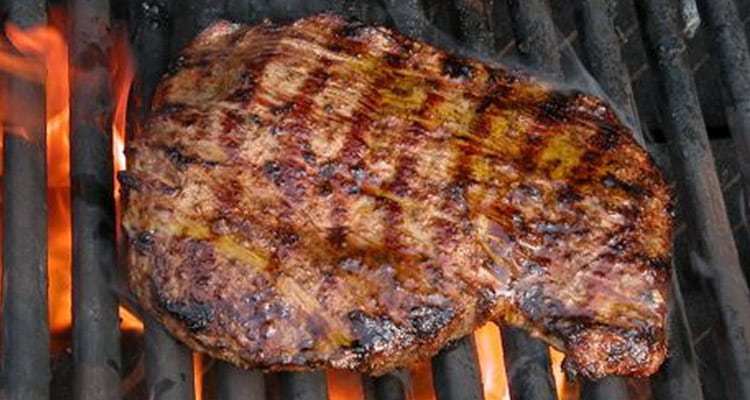
Master Texas Beef Tradition: Essential Techniques for Steak Perfection
Master authentic Texas-style steak with our complete guide. Learn the secrets of choosing cuts, seasoning, and grilling techniques from real Texas pitmasters