
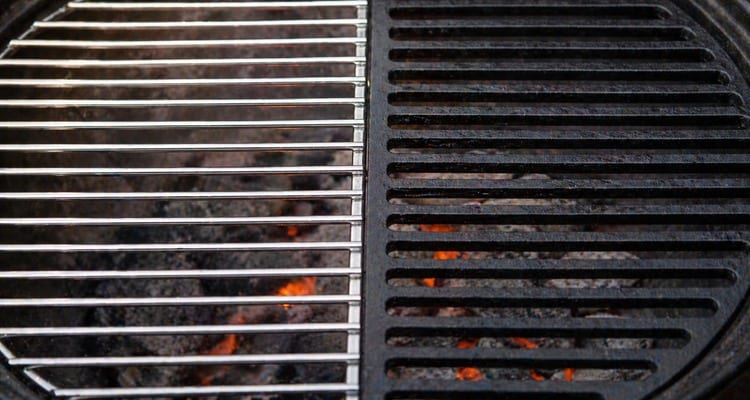
Choosing the best grill grate material is one of the most important decisions you can make for your backyard setup. The grate is the direct interface between heat and food, and its material determines how well it retains heat, how easy it is to clean, and how long it will last. Whether you cook on a gas grill or a charcoal smoker, the right grate makes a real difference. In this guide we break down the science behind cast iron, stainless steel, porcelain-coated, and plated steel grates. We also review three top-rated replacement grates so you can find the best fit for your specific grill and cooking style.
Quick Comparison
| Grill | Material | Dimensions | Best For | Where to Buy |
|---|---|---|---|---|
 Gcostar Cast Iron Grill Grates Gcostar Cast Iron Grill Grates
|
Cast Iron | 16-15/16" x 8-5/16" (each) | Best Cast Iron Replacement | See at Amazon |
 FORYEYC Porcelain Coated Cast Iron FORYEYC Porcelain Coated Cast Iron
|
Porcelain Coated Cast Iron | 17" x 13 1/4" (each) | Best for Easy Cleaning | See at Amazon |
 Weber Heavy-Duty Plated Steel Weber Heavy-Duty Plated Steel
|
Plated Steel | 21.5" diameter | Best Hinged Grate for Fuel Access | See at Amazon |
Gcostar Cast Iron Grill Grates
Fits multiple brands including Charbroil, Broil King, and Kenmore
Understanding Grill Grate Materials
The science behind grate performance starts with thermal mass and conductivity. Cast iron has a high thermal mass, meaning it absorbs a large amount of heat energy and releases it slowly and evenly onto the cooking surface. Stainless steel conducts heat faster but stores less of it, which suits different cooking scenarios. Understanding these differences helps you match the grate material to your grilling or smoking style. Porcelain-coated grates borrow from both worlds. A cast iron or steel core provides the structural backbone, while the fused glass coating reduces food adhesion and acts as a rust barrier.
The coating does require care — chips or cracks expose the metal underneath and can accelerate corrosion. Plated steel grates, like chrome or nickel-plated versions, offer an affordable entry point. They heat quickly and are easy to clean, but the plating can wear over time, especially under high heat or with aggressive wire brushing.

Cast Iron vs. Stainless Steel: The Great Debate
Cast iron grill grates are the go-to choice for anyone who prizes bold sear marks and high heat retention. The dense material holds temperature steadily even when cold food hits the surface, which is the key to that restaurant-quality crust. The trade-off is maintenance — cast iron must be seasoned regularly and dried thoroughly after cleaning to prevent rust. Stainless steel grill grates resist rust naturally because of the chromium oxide layer that forms on the surface.
This is why many chefs prefer stainless steel in both professional kitchens and outdoor grills — it requires far less upkeep and still delivers solid cooking performance. Stainless steel also tolerates dishwasher cleaning, which cast iron cannot. For a smoker that runs for many hours, cast iron's heat retention keeps cooking temperatures more consistent. On a fast weeknight gas grill session, stainless steel's quick warm-up time and simple cleaning routine may make more sense.
How to Choose the Best Grill Grates
Matching grate material to your cooking style is the first step. Cast iron is unbeatable for high-heat searing on a charcoal grill or smoker, where you want thick grate bars and maximum heat retention. Stainless steel suits cooks who prioritize longevity and low maintenance, especially if the grill lives outside year-round. Porcelain-coated cast iron gives you the best of both worlds — cast iron heat retention with a non-stick, easier-to-clean surface. Just avoid metal utensils that can chip the coating. Plated steel is an affordable, practical choice for entry-level gas grills where replacement cost matters as much as performance.
- Material: Choose cast iron for bold sear marks and high heat retention, stainless steel for rust resistance and easy cleaning, or porcelain-coated for a blend of both.
- Durability: Stainless steel and properly maintained cast iron last the longest. If your grill stores outdoors uncovered, rust resistance should weigh heavily in your decision.
- Fit: Always measure your existing grates or look up your grill's model number before ordering. Even a slight size mismatch can affect cooking performance and safety.
- Cooking Style: Searing steaks and chops favors cast iron. Longer smoking sessions, weeknight dinners, or grilling fish benefit from stainless steel's consistent performance and simple cleaning.
- Environment: Grills stored outside in humid or rainy climates benefit most from stainless steel or intact porcelain coatings. Bare cast iron requires extra attention in those conditions.
Product Reviews
Gcostar Cast Iron Grill Grates
- Fits multiple brands including Charbroil, Broil King, and Kenmore
- Classic cast iron construction for superior heat retention
- Comes in a set of 3 units
Gcostar Cast Iron Grill Grates are a direct replacement option for several popular Charbroil, Broil King, and Kenmore gas grills. They deliver the heat retention that cast iron is known for — once these grates are up to temperature, they hold it steadily through the entire cook. The set of three units covers most standard two or three-burner cooking surfaces. The classic cast iron construction means you get bold, defined sear marks even on thicker cuts.
Preheat time is longer than stainless steel or plated steel, but the payoff in searing performance justifies the wait for steak nights.
See at AmazonFORYEYC Porcelain Coated Cast Iron
- Durable matte porcelain-coated cast iron
- Anti-stick surface for easier cleaning
- Fits a wide variety of grill brands
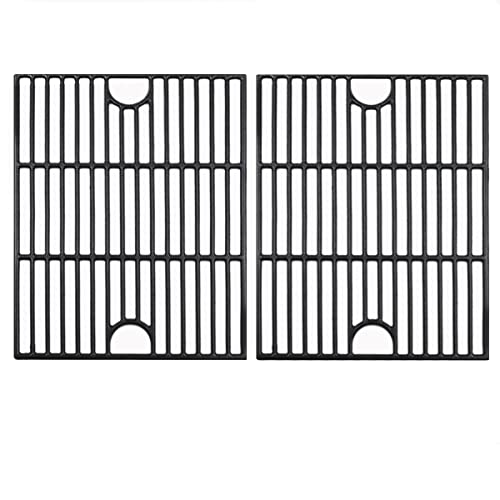
FORYEYC Porcelain Coated Cast Iron grates address the most common complaint about bare cast iron: difficult cleaning. FORYEYC fuses a matte porcelain layer onto the cast iron core, giving you the heat retention and searing performance of cast iron with a smoother, non-stick cooking surface. Food releases more easily, and cleanup is dramatically simpler than raw cast iron. These grates fit a wide range of popular grill brands, making them a versatile replacement option.
The 17" x 13-1/4" dimensions cover standard two-burner cooking areas, and the heavy cast iron core means they hold temperature well even when loading up a cold piece of meat. They are a particularly good choice for anyone who wants cast iron performance without the intensive seasoning and drying routine.
See at AmazonWeber Heavy-Duty Plated Steel
- Official Weber replacement part
- Hinged sides for easy fuel addition
Weber Heavy-Duty Plated Steel is an official replacement part for 22-inch Weber charcoal grills, and the fit and finish reflect that precision. Plated steel heats quickly and produces a reliable cooking surface for everyday grilling, from burgers and vegetables to whole chickens. It is an honest, practical choice if you want the confidence of an OEM part without the premium cost of cast iron or stainless steel. The standout feature here is the hinged design.
Both sides lift independently, letting you add charcoal or wood chunks to the fire bed during a cook without moving the food. For a smoker setup running a two or three-hour cook, that convenience is genuinely useful and keeps temperature drops to a minimum.
See at AmazonHow Do You Clean Your Grill Grates the Right Way?
Cleaning technique depends heavily on the grate material. For stainless steel, a stiff wire brush on a warm grill loosens most residue in minutes. You can follow up with hot soapy water and a sponge — stainless steel tolerates it. Porcelain-coated grates are more fragile: use a nylon brush or a brass-bristle brush instead of steel wire, which can chip the coating. Cast iron requires the most disciplined cleaning routine. Brush off food residue while the grate is still warm, rinse quickly with minimal water, dry immediately over the heat, and apply a thin layer of oil. Leaving water on bare cast iron even briefly invites rust.
A well-maintained cast iron grate develops a seasoned cooking surface over time that actually improves with use.
Take Home Message
Choosing the right grill grate material significantly impacts your grilling experience, from searing performance to maintenance. Cast iron offers superior heat retention for perfect sear marks but demands consistent care. Stainless steel provides excellent durability and rust resistance with minimal upkeep, ideal for long-term outdoor use. Porcelain-coated grates offer a balance of both, combining cast iron's heat properties with easier cleaning, though they require careful handling to prevent chipping. Ultimately, the best grate material aligns with your cooking style, maintenance preferences, and local climate conditions.
Anodized Aluminum and GrillGrates
Hard-anodized aluminum panels, popularized by brands like GrillGrates, represent a modern alternative to traditional materials. Aluminum conducts heat exceptionally fast and evenly, eliminating hot spots. These interlocking panels block flare-ups by preventing drippings from reaching the burner or coals, and they are reversible—featuring a flat griddle-like surface on one side and raised rails on the other for high-definition sear marks.
<h3 id="carbon-steel-grates">Carbon Steel: The Lightweight Cast Iron AlternativeCarbon steel is rapidly gaining popularity as a middle ground between cast iron and stainless steel. It is lighter and heats up faster than cast iron, yet it still develops a seasoned, naturally non-stick patina over time.
While it requires the same seasoning and drying care as cast iron to prevent rust, carbon steel is highly durable and excellent for those who want cast iron performance without the heavy lifting.
Understanding Stainless Steel Grades: 304 vs. 430
When shopping for stainless steel replacement grates, pay close attention to the steel grade. Grade 304 stainless steel contains higher levels of nickel and chromium, making it highly resistant to rust and corrosion, even when exposed to high heat and outdoor elements. Grade 430 stainless steel is more magnetic, contains less nickel, and is cheaper to produce, but it will rust much faster under typical grilling conditions.
For maximum longevity, always opt for solid 304-grade stainless steel.
Does Changing Grate Material Matter on a Pellet Grill?
Many pellet grill owners wonder if upgrading to cast iron grates makes a difference on convection-style smokers like a Traeger. Because pellet grills cook primarily via circulating hot air (convection) rather than direct radiant heat, standard thin porcelain-coated steel grates can struggle to produce a deep sear. Adding a heavy cast iron grate or hard-anodized aluminum panels can significantly improve your searing capability by storing and transferring heat directly to the meat, turning your smoker into a more effective searing machine.
The Science of Searing: Grill Marks vs.
Total Surface Browning
While high-definition grill marks are visually appealing, food science reveals a trade-off: those dark stripes represent localized burning, while the pale spaces between them miss out on the Maillard reaction. The Maillard reaction is the chemical process that creates the rich, savory flavors we associate with great steak.
For maximum flavor, an all-over, edge-to-edge crust—achieved via flat griddle plates, cast iron skillets, or flat-topped grill grates—actually produces more flavor compounds than thin, striped grill marks.
Custom Pit Grates: Expanded Metal and Raw Steel
For offset smokers, custom pits, and DIY barbecue builds, the material of choice is often expanded metal mesh or raw carbon steel. Expanded metal—typically made of steel flattened into a diamond pattern—provides excellent airflow and smoke circulation around the meat.
These heavy-duty grates are highly durable and affordable for large-scale cooking surfaces, but like bare cast iron, they must be thoroughly seasoned with oil to prevent rust and keep food from sticking.
What is the best material for a grill grate?
There is no single best material — the answer depends on your priorities. Cast iron delivers the highest heat retention and the boldest sear marks, making it the top choice for serious grillers focused on steak and chops. Stainless steel wins on longevity and rust resistance, which is why chefs prefer it for everyday professional use. Porcelain-coated cast iron is a strong middle-ground option combining heat retention with easier cleaning.
Are porcelain or cast iron grill grates better?
Bare cast iron grates edge out porcelain-coated versions on raw searing performance because the uncoated metal transfers heat directly to the food surface. Porcelain-coated grates pull ahead on cleaning ease and rust resistance, since the vitreous glass coating repels moisture and food residue. If you want the best sear and are willing to season and dry the grates after every cook, bare cast iron is the better choice. If you want great results with less maintenance, porcelain-coated is the more practical option.
What grill grates last the longest?
High-quality stainless steel grill grates outlast every other material when left outdoors and exposed to weather. The passive chromium oxide layer that forms on stainless steel regenerates naturally, preventing rust from taking hold. Bare cast iron can also last decades, but only with consistent seasoning and careful storage. Porcelain-coated grates are durable but can fail prematurely if the coating chips and the underlying metal is exposed to moisture.
What type of grill grates don't rust?
Stainless steel grill grates are the most rust-resistant option available. The alloy's natural chromium content creates a self-healing oxide barrier that stands up to rain, humidity, and extended outdoor storage. Porcelain-coated grates also resist rust well as long as the coating stays intact. Bare cast iron and plated steel are the most vulnerable to rust and require more active maintenance in wet environments.
Which barbecue grates are best?
The best barbecue grates are the ones that match your grill model and cooking style. For a charcoal smoker running long low-and-slow cooks, a stainless steel grate with hinged access panels is an excellent choice for fuel management. For a gas grill where searing matters most, a cast iron or porcelain-coated cast iron grate delivers better results. Always verify the dimensions and compatibility before buying a replacement grate.
Why do chefs use stainless steel instead of cast iron?
Professional chefs favor stainless steel grates for several practical reasons. In a commercial kitchen or busy catering environment, grates are cleaned aggressively and frequently — stainless steel tolerates harsh detergents and dishwasher cycles that would strip cast iron seasoning and cause rust. Stainless steel also resists corrosion without any special preparation, reducing downtime and maintenance costs. The durability of stainless steel under heavy daily use makes it the professional standard.
Do cast iron grill grates need to be seasoned?
Yes, bare cast iron grates should be seasoned before first use and re-seasoned periodically throughout their life. Seasoning builds up a polymerized oil layer that protects the metal from rust and creates a naturally non-stick cooking surface. Apply a thin coat of flaxseed, canola, or vegetable oil and heat the grates to 400-450°F for 30-40 minutes. Repeat this process two or three times when the grates are new to build up a solid base layer.
How often should grill grates be replaced?
Grill grates should be replaced when they show signs of deep pitting, persistent rust that cleaning cannot remove, or significant warping that creates hot and cold spots on the cooking surface. Quality cast iron and stainless steel grates can last five to ten years or more with proper care. Plated steel grates typically need replacement sooner, especially if the plating begins to flake or peel, which can contaminate food.
How do you get perfect grill marks on a steak?
To get perfect grill marks, preheat your cast iron or heavy stainless steel grates on high heat for at least 10 to 15 minutes. Place your steak at a 45-degree angle to the grate bars, sear for two minutes, then rotate it 90 degrees on the same side to create a crosshatch pattern before flipping.
Is porcelain-coated steel or stainless steel better for gas grill replacement parts?
Stainless steel is generally better for gas grill replacement parts because it offers superior durability and cannot chip. While porcelain-coated steel is more affordable and has excellent non-stick properties initially, once the porcelain coating chips, the underlying steel will rust rapidly under high heat.
The Verdict
Related BBQ Guides

Best Charcoal Grills: Top Picks for Every Backyard
Discover the best charcoal grills of 2026. Compare kettle, kamado, and barrel grills across every budget. Expert-tested picks for beginners and pitmasters.

Vertical Charcoal Smokers: Your 2026 Guide to Authentic BBQ
Discover the top 7 vertical charcoal smokers for authentic wood-fired flavor. Compare bullet, drum & cabinet models with expert reviews.

Chiminea Buying Guide: Warmth, Ambiance & Style
Discover the top 7 chimineas tested for warmth, durability & style. Compare cast iron, clay & metal models with expert reviews.